Social and Emotional Learning in the Classroom

The month of May is #MentalAawrenessDay.

Enjoy this Article on the Benefits of SEL in the Classroom.
What is Social and Emotional Learning?

We live in a time where the increase in crime rate, depression, suicide and suicidal thoughts, bullying, and theft are common among young people. The advent of technology especially after the new normal (COVID-19) brought an increase in crime rates among young ones based on the fact there is economic change; some of their parents lost their jobs which reduce their standard of living, and the introduction of mobile phones without adequate parental control and the less presence/ supervision of an adult in the community.

Social and Emotional Learning is the process through which young people learn and acquire the skills need to succeed academically and in life. SEL helps young people to recognize their emotions, thoughts and feelings and how it relates to other people and the community at large.
source: 321insight

SEL “is the process through which children, youth, and adults acquire and effectively apply the knowledge, attitudes, and skills necessary to understand and manage emotions, set and achieve positive goals, feel and show empathy for others, establish and maintain positive relationships, and make responsible decisions” (Collaborative for Academic, Social, and Emotional Learning, 2015, para. 1).

 Social and emotional skills are critical to being a good student, citizen, and worker. Workforce demands aside, many call for the 21st-century classroom to be student-centred and to support individual learning needs. Moreover, students’ ability to learn well depends not just on instruction, but also on factors such as the school climate, a sense of belonging with peers, positive relationships with educators, and the feedback they receive.

CASEL FIVE (5) SEL COMPETENCIES

According to the Collaborative for Academic, Social, and Emotional Learning (CASEL), there are five competencies or skills that a child or students need to master to achieve equity and excellence in life.
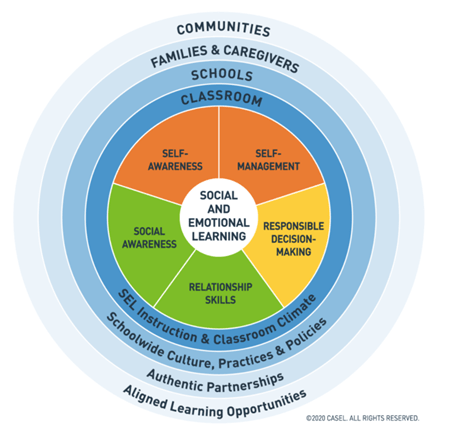
SOURCE: CASEL, 2020

FIVE CORE SOCIAL-EMOTIONAL COMPETENCIES

  1. SELF-AWARENESS: This competency involves the recognition and understanding of one’s emotions, thoughts, feelings, goals and values. Self-awareness skills help children to identify their emotions, thoughts and feelings and how they can impact others. It is believed that any individual who doesn’t see the good in himself or herself cannot appreciate the worth of another person. When a child learns to value him or herself and recognizes his or her feelings or emotions, that way the child will be able to relate to the environment. Self-awareness practice involves the identification of one’s emotions, the right way to expose their emotions and the ability to control their body parts relating to how one is feeling.

                    Self-Awareness is the foundation for the development of more advanced SEL Skills ( Self-Management, Social-Awareness, Relationship Skills, Responsible Decision-Making) that help children to succeed in school and life. 

(Jones et al., 2016)

Practical Tips to Improve Student Self-Awareness

Be an active listener
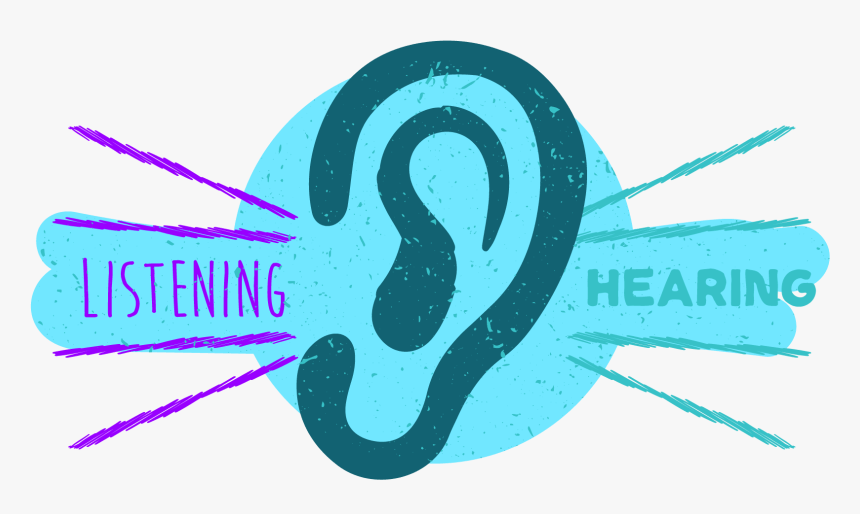
https://www.kindpng.com/imgv/hhxxiim_hearing-clipart-active-listening-clipart-listening-ear-hd/

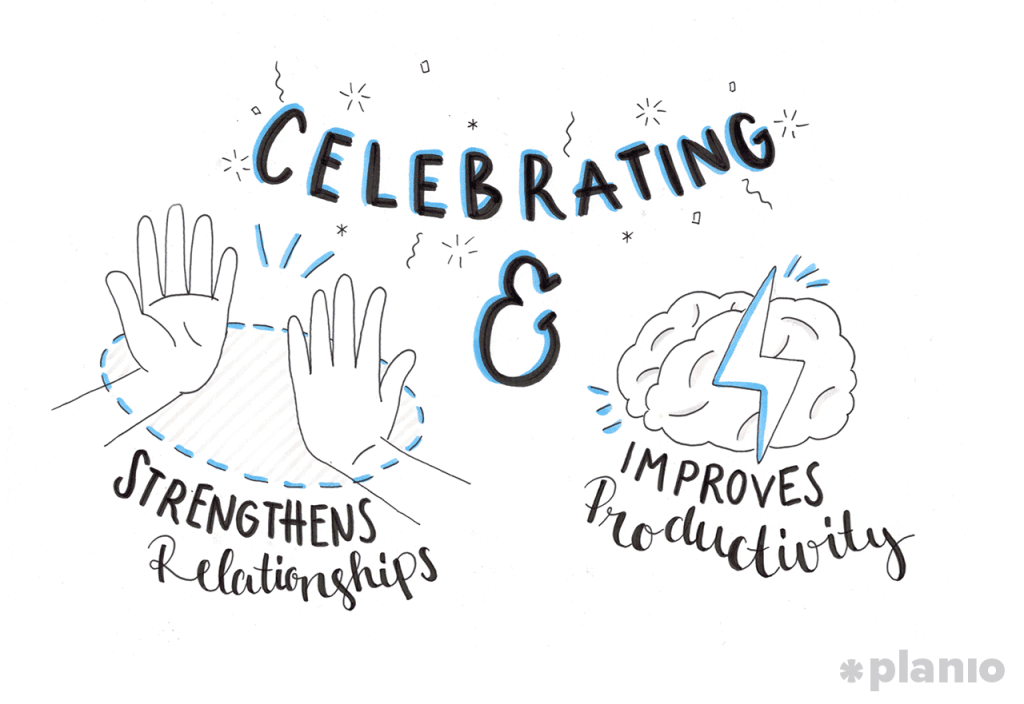
Celebrate exceptional improvement in behaviours
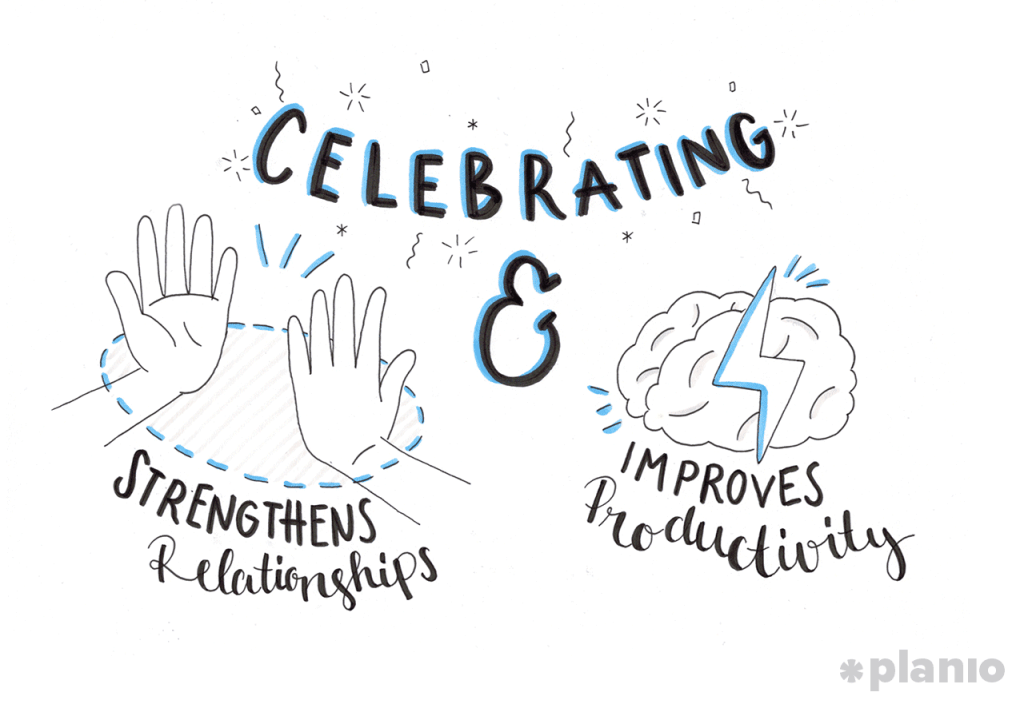
source: planio blog

Teach the different emotions and how to express themselves.
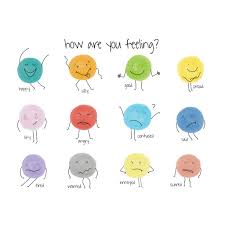
source: 321insight

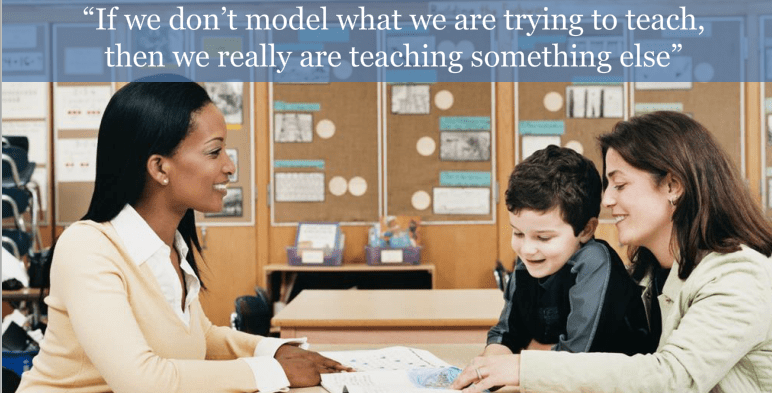
Model the right attitude to them.

source: eatteachblog.com

‘If we want students to be kind, we need to be kind adults. If we want students to be cooperative, we need to be cooperative adults. If we expect students to be responsible, we need to be responsible adults.

 MODEL. MODEL. MODEL.

LISA ROMANO, TEACHER

B. SELF-MANAGEMENT: Self-management is the ability to manage and control’ one’s thoughts, emotions and feelings effectively and in different situations. 

Self-Management skill helps students to be conscious of their emotions, how to express them and think before they speak or act.

A child who listens and obeys class rules or thinks about the consequences of an action before acting practices self-management skills.

Self-Management skills help students to stay clear of the consequence of not following rules and directions. It also facilitates good relationships with others.  It also builds a child’s self-esteem, and confidence and supports connection with others.

Self-Management also helps students to decipher appropriate and inappropriate behaviours and helps them stay focused on personal goals or class activities.
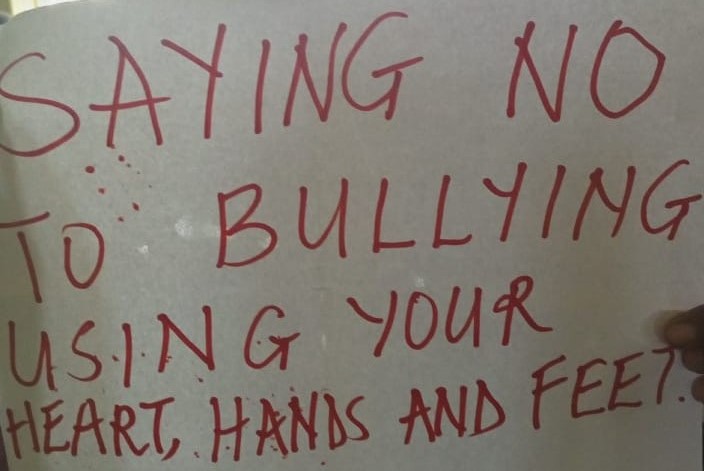
@teacherfunke

  1. Social-Awareness: Social-Awareness is the ability to recognize and identify other people’s emotions, perspectives, and practice empathy and compassion when relating with them.

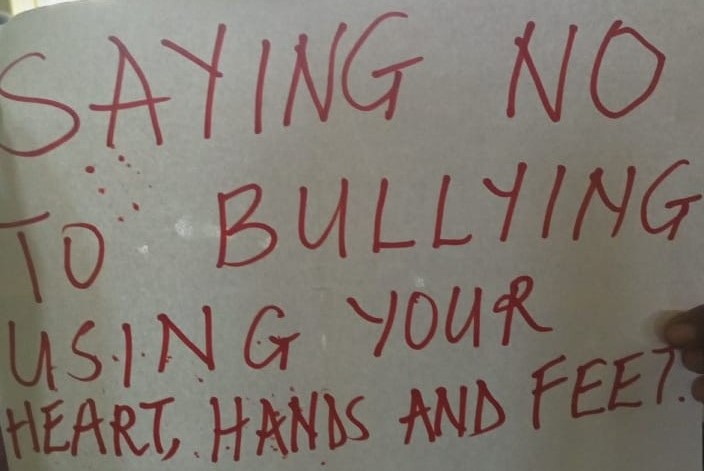
Empathy means walking in another person’s shoes. Students and adults need the skills, it’s essential at home, school and at the workplace. Sometimes, as a teacher, all that the students with learning behaviours need is to be shown empathy, kindness and compassion. I practice kindness and empathy in the classroom and I discover that the kids love it and helped to make the classroom environment more conducive because everyone is pursuing the same goal; kindness and empathy. This way, no one wants to bully others to not be caught in the trap of wickedness and meanness, hence, not receiving a prize from me. If every student in a class is kind and compassionate to each other, students with low self-esteem will be helped and motivated to learn and bullies will have a  change of attitude and mindset.
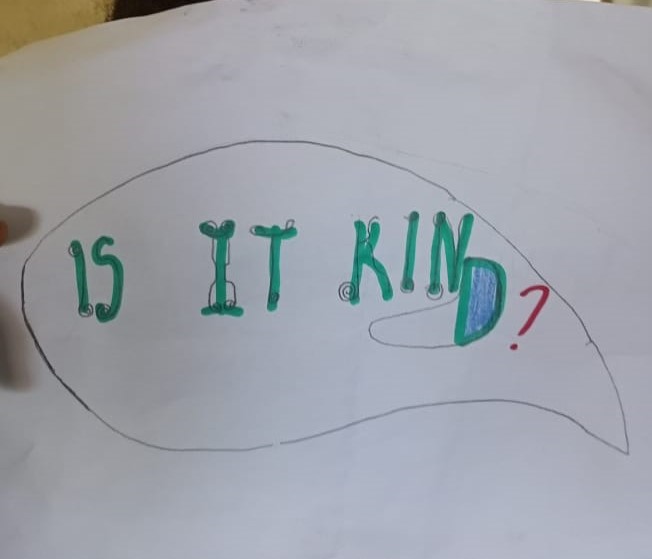
@teacherfunke
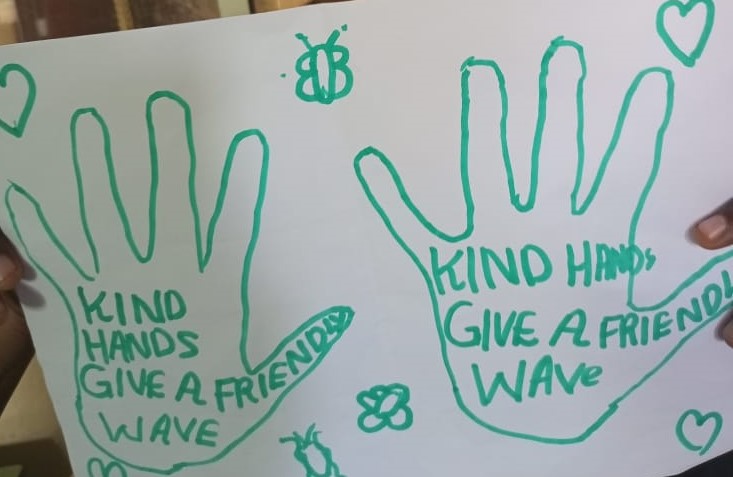
@teacherfunke

Relationship Skills: Relationship skills are the ability to make and maintain healthy and supportive relationships. Relationship skills help students to make friends and maintain positive relationships, communicate effectively with others, engage in teamwork and collaborative problem-solving, resist negative social pressure, seek and/or offer support when needed, cooperate and play well with others, resolve conflicts or solve problems with others peacefully and effectively.

Tips to Promote Relationship Skills in the Classroom

Encourage sharing and helping others.

Give students a shoutout when you see them doing this

Provide opportunities for students to engage with all classmates:

Suggestion: Have students switch who they are sitting next to

in-class or switch partners for group work to encourage

meeting and connecting with other classmates.

Discuss the importance of being kind to others and “treat others the way you want to be treated.”
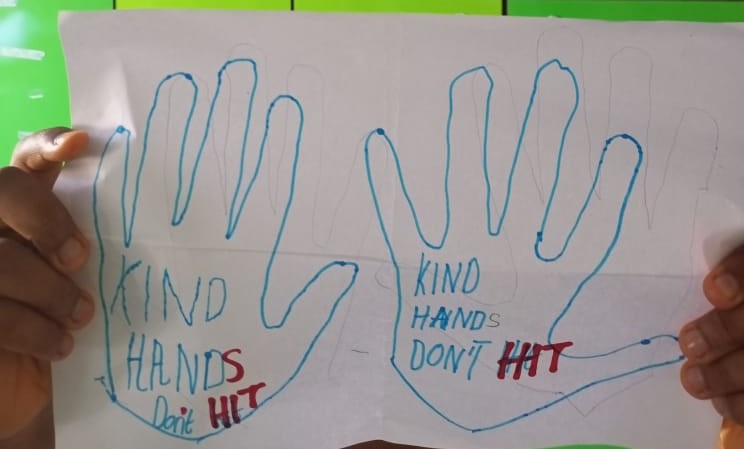
Make time for connection

A daily check-in with students

Create a fun weekly class routine that promotes connection and relationship building with students.

Ex: Have Fun Fridays: Play team-building games, and have students give special shoutouts to classmates for the kindness they’ve shown this week.

Links to Helpful Relationship Skills Resources for Teachers:

Relationship Skills Video with Characters (For Students): Relationship Skills With The Character Effect™ Characters

The Social-Emotional Teacher: Relationship Skills in the Classroom

(Activities and Ideas):

https://www.thesocialemotionalteacher.com/relationship-skills-in-theclassroom/
Meet New Friends Bingo Game:

https://www.scholastic.com/parents/books-and-reading/raise-a-readerblog/meet-new-friends-bingo-game.html

Resources: © 2022 EmOTions from the Inside Out, (CASEL, 2019; Jones & Bouffard, 2012

  • Responsible Decision-Making Skills: Responsible Decision-Making Skills is the knowledge on the ability to gain knowledge, skills and attitudes on how to make constructive decisions and choices. Responsible decision making is a skill that is essential for learners to make the right choices and the ability to think before they speak and to ask the right question when confronted.  This skill helps to build 21st Century life skills such as communication skills, collaboration, critical-thinking skills and problem-solving skills.
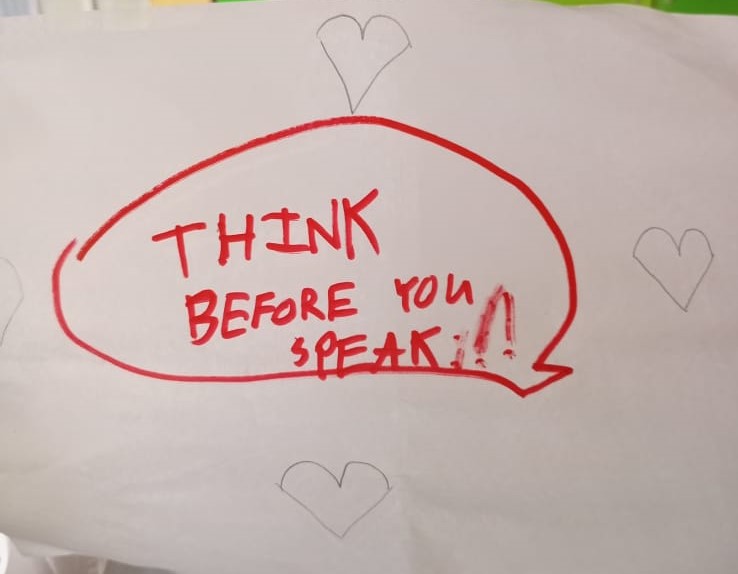
Research has shown that students who are able to effectively use Decision-Making Skills have better skills have better academic and behavioural outcomes. (Durlak et.al, 2011; Zhang et al., 2016)

BENEFITS OF SEL IN THE CLASSROOM

  • Improved Grade Performance.
  • Reduction of Negative Behaviour
  • Cooperation with a team/classmates.
  • Increased self-esteem.
  • Minimal emotional stress e.t.c.

Teach from the heart!

Teaching at this age has gone beyond impacting the mind but the heart as well.

Any educator who wishes to leave a long-lasting impression and a positive impact on his or her learners need to learn the skill of teaching from the heart and to the heart.

When we are able to get through the heart of our learners, we have been able to enrich their soul and heart. The Holy Bible says out of the heart comes the issues of life. In that sense, when you get through your learners hearts, you solve some issues which are beyond the surface level and can’t be seen or known by anyone.

I will never forget my Financial Accounting teacher when I was in college. He was one of my most respected teachers, he sees me beyond an ordinary student in his class and encourages me a lot. He doesn’t allow a day to go without telling me about how unique and loved I am. I graduated from college thirteen years ago and his words still longer in my heart.

The learners in our care needs more than academic success to thrive in life. They need social skills and knowledge of how to take charge of their emotions. Teaching the heart is the right model to training the hearts of younger generations.

If we want our learners to be kind, empathetic and compassionate individuals, we must as well exhibit those skills. By doing so, we can easily penetrate to their hearts, their innermost being.

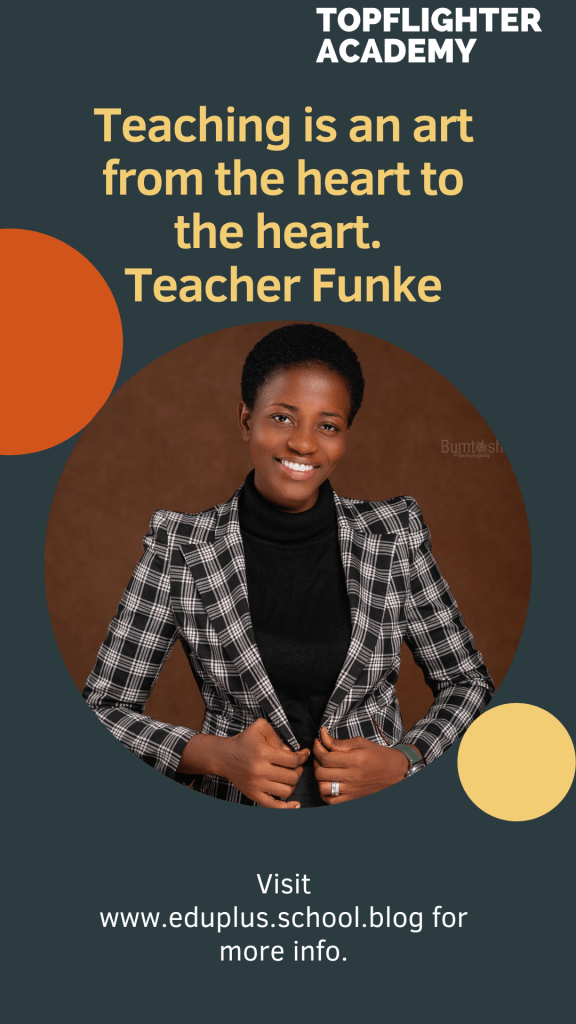
Teaching is an art form the heart and to the heart. Teacher Funke💓💓

This nugget is beyond the literary meaning, teaching now involves the use of drama, music, humour, language etc, it has to be done with the heart.

#teachfromtheheart

Meet Our Speakers

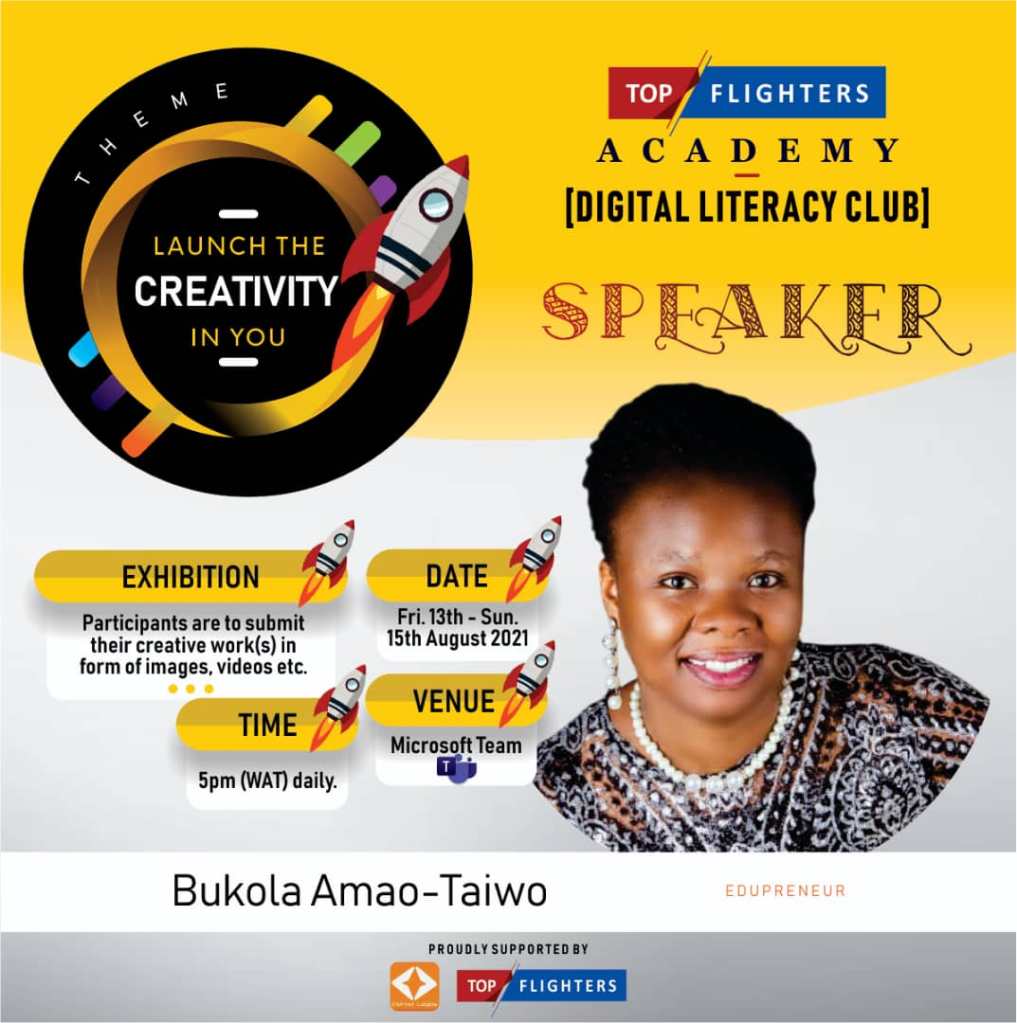
Bukola is a seasoned lifelong learning teacher with experience in primary, secondary and tertiary levels of education.

Presently a consultant to some schools in Lagos, She is passionate about creating global connections between the classroom and the real world.  

Her teaching philosophy drives her to adopt strategies that connect classroom learning to real-world experiences.

 One of her teaching goals is to nurture global citizens and lifelong learners who will create solutions to global challenges.

Bukola is presently concluding her PhD in educational management and is carrying out research on how educational institutions can co-create an entrepreneurship ecosystem that supports value and job creation.

Adeola Sola ( Sogebra)

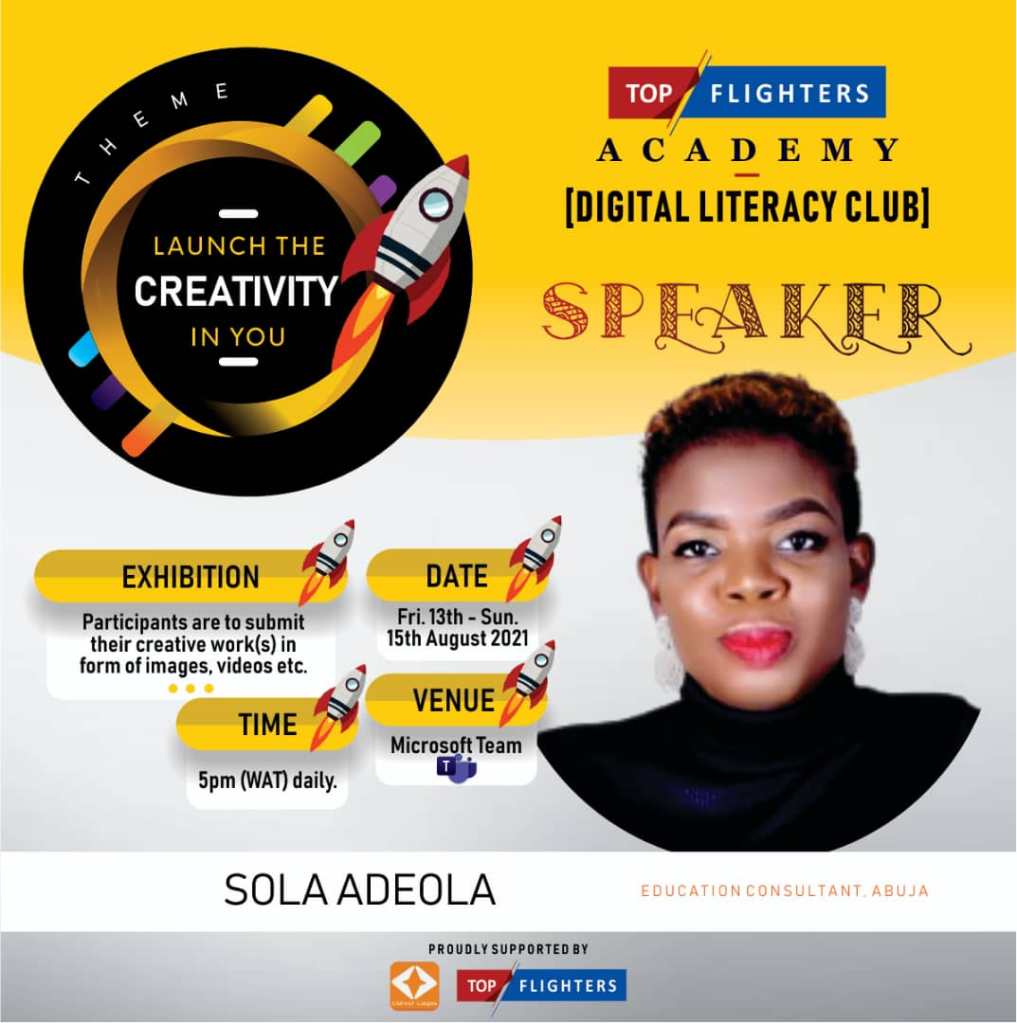
Sola Adeola,

MIEE

Common Sense Educator

A certified Teacher with TRCN,

A STEM Robotics Instructor.

 Sola is an experienced Head of School with over 12 years of teaching experience.  

I am a technology lover and love global collaboration. I picked interest in digital citizenship because it allows Me to help learners become responsible digital citizens. This is my personal passion. Therefore, at any given time, I would like to introduce educating digital citizenship to learners.

DR (H.C) RUPAM MUKHERJEE

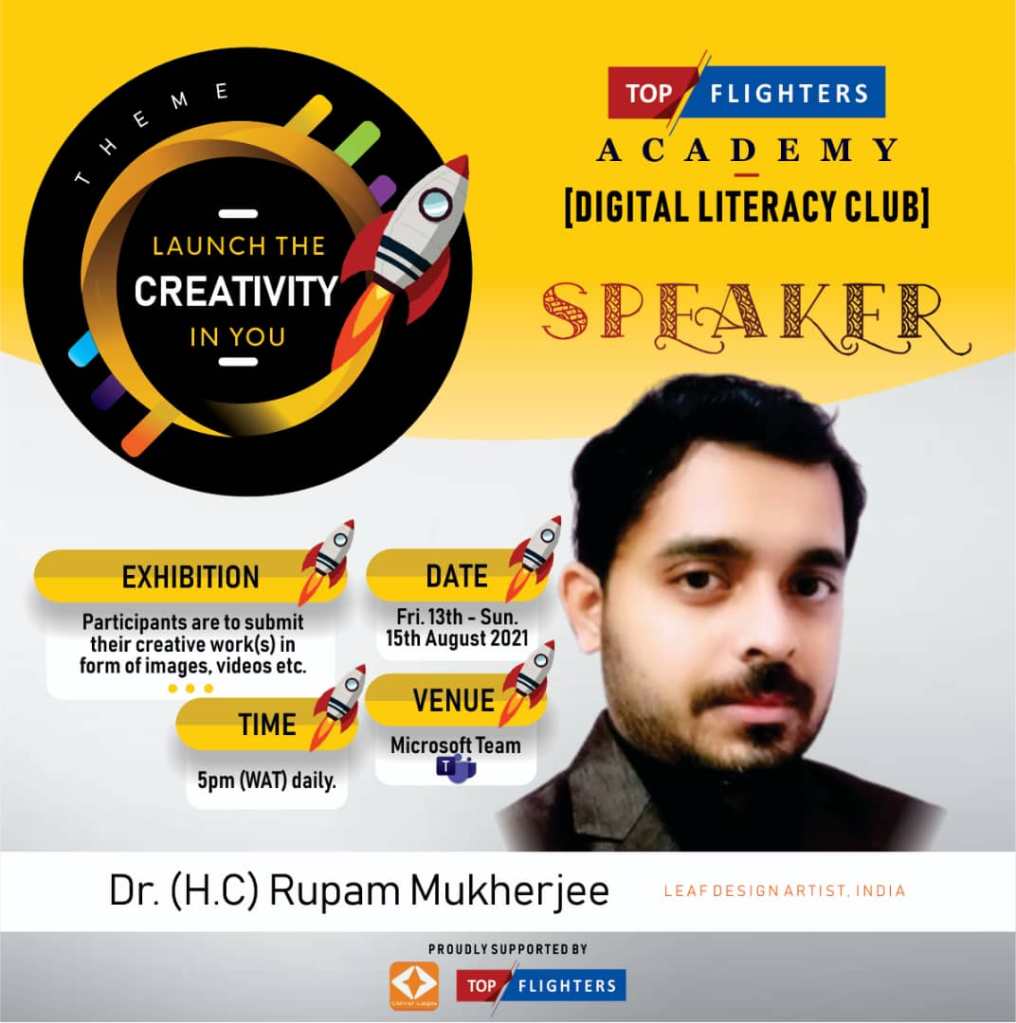
Rupam Mukherjee is a global educator and a leaf design artist from India.

A leaf design for Teacher Funke by DR (H.C) Rupam Mukherjee

He has so many awards and recognitions globally among them are First Person to pen the smallest poetry ever in the category of Flora & Fauna, honoured with “INDIAN RECORD” and listed in INDIAN BOOK OF RECORDS.

International Education Symposium and Awards 2020 as “Excellence in Online Teaching Award”. And many more.

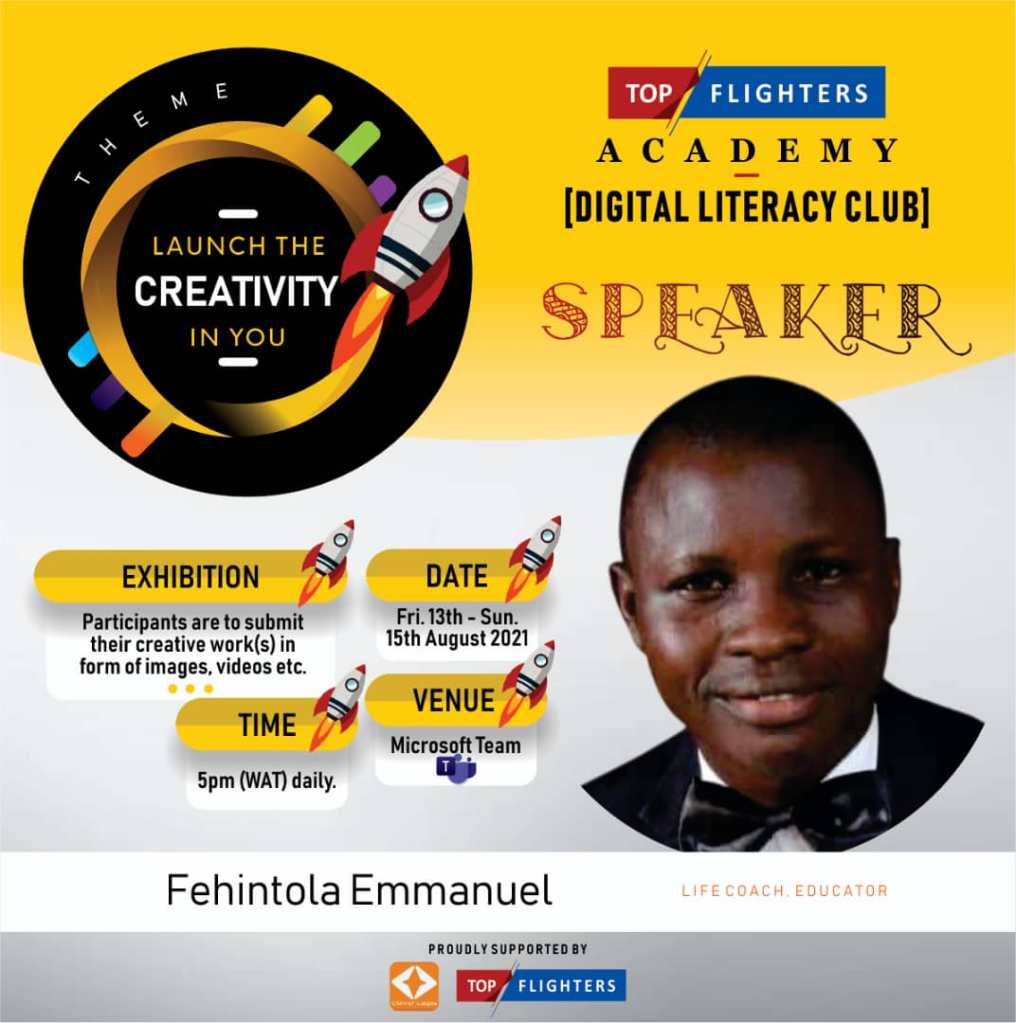
Fehintola Emmanuel

Emmanuel Fehintola is an Educator, a Life Purpose Coach and also a certified Microsoft Innovative Educator (M.I.E).

He trains youths and teenagers to discover, develop and fulfill their God given purpose. He has also worked with World’s Largest Lesson and Empatico Fellowship (2019/2020) to foster empathy and kindness in students and empowered them to help accomplish the United Nations Sustainable Development Goals ( SDG’s).

He is presently based in Lagos,Nigeria.

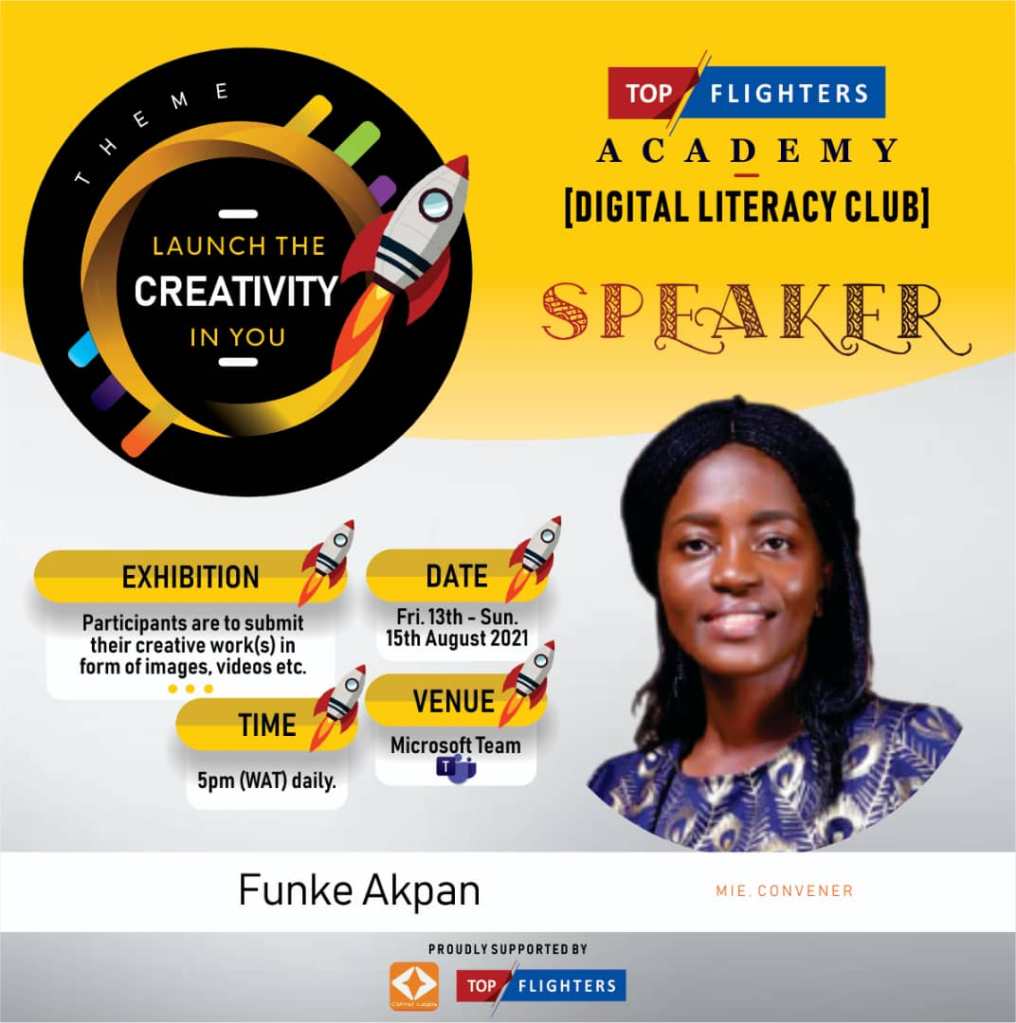
FUNKE AKPAN (Teacher Funke)

Funke Akpan is an educator with over ten years teaching experiences ranging from Kindergarten class to Primary classes and a Certified TEFL Tutor. She is also a Certified Microsoft Innovative Educator.

She currently works with an international school here in Lagos,Nigeria as a year 4 class teacher.
She is an EdPuzzle Coach and an Empatico Kindness Champion (2019-2020). She is the convener of a weekly online Sunday school class for children ( Jesus’ Jewels).

She is also the convener of TopFlighter Digital Literacy Club. She has a great passion to teach kids and loves it when they are happy and always full of joy!

Digital Literacy Club Edition 3.0

Topflighter Digital Literacy Club Edition 3.0

Digital Literacy Club Edition 3.0

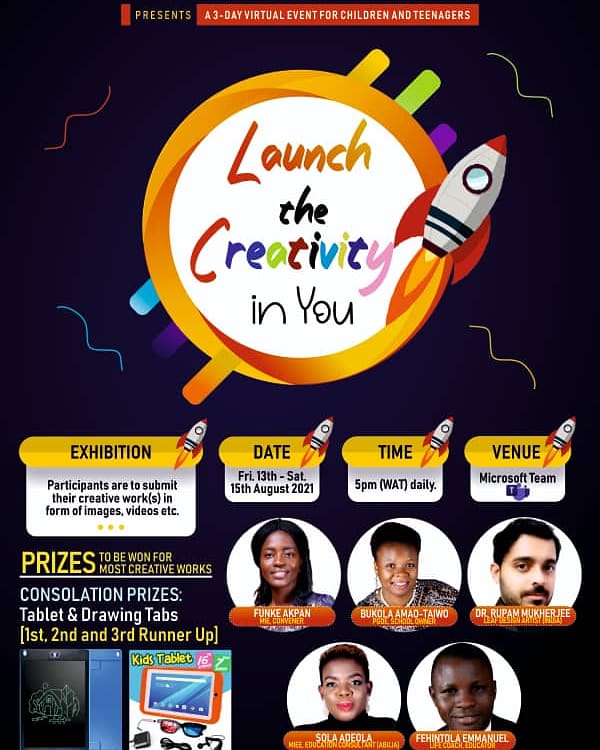
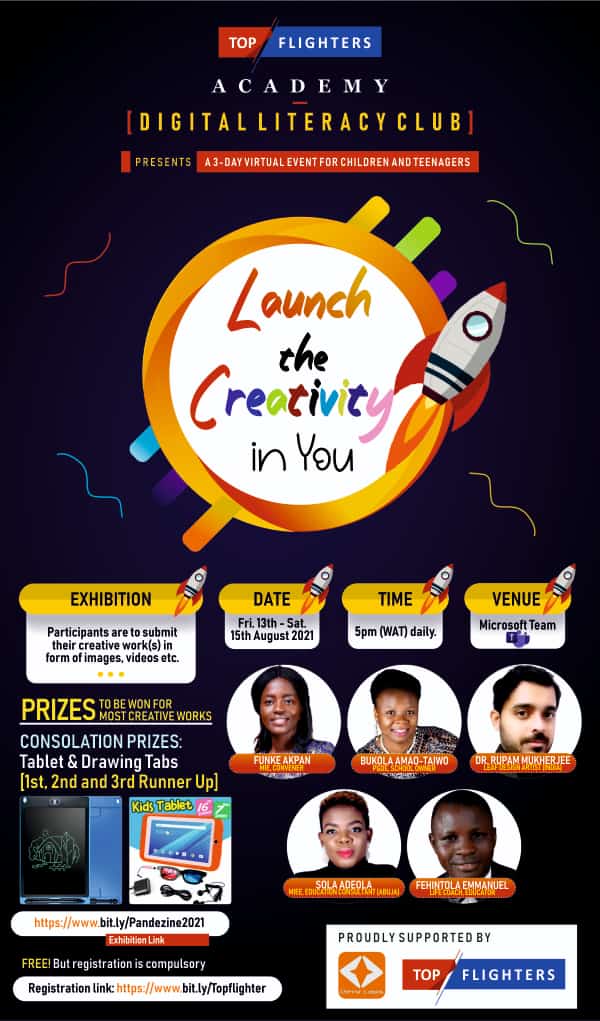
Theme: Launch the Creativity in You

“We are, ourselves, creations. And we, in turn, are meant to continue creativity by being creative ourselves.” Julia Cameron

Highlights: Digital citizenship, music, art, games, skill exhibition and award, SEL and lots more.
Theme: Spark and Launch Your Creativity.
Date: Friday 13th – Saturday 15th August 2021.
Time : 5pm (WAT) daily.
A 3-day Virtual Event for Children and Teenagers (Age8-14)

Exhibition: Participants are to submit their creative work(s) in form of images, videos etc to bit.ly/Pandezine2021
Venue: Microsoft Teams

FREE but registration is compulsory
Registration link: https://bit.ly/Topflighter

You can join our WhatsApp group for more info: https://chat.whatsapp.com/DEFfi60QHRiBeMyLBnzhcU

In the meantime, this video from KidPresident will motivate you to do something creative to make the world awesome!

GAMIFICATION 1.0

My little cutie homie space!

Video games are fun, school should be fun too. Teacher Funke

Using games outside the game industry is called’ GAMIFICATION’.

What is gamification? Gamification is the use of game design elements in non-game contexts. These game design elements are used to improve engagement, motivation, retention of an activity. Gamification has the potential to motivate us complete tasks like school assignments or workplace projects.  It can also help us establish learning progression, match students skill level , make students more curious about the topic or immerse them in a lecture.

Examples of game design elements are feedback, badges, rewards and leaderboards.

Examples of Educational Games

  1. Duolingo
  2. Kahoot
  3. Quizziz

WHY GAMIFY?

People currently spend 3 billion hours a week playing video and computer games from an educational context, incorporating game elements into lesson plans to motivate students and make learning enjoyable is hardly new.

Gamification focuses on extracting the underlying principles of games and asking whether their education experience can be re-configured to build on these principles ( strategy, time-management and role playing).

A successful gamification program will yield four freedoms of play:

  1. The freedom to fail: This will make children learn at an early stage learn that failures are part of success and we learn to succeed by failing most times. Hence, the reduction of pain and depression that failures bring to individual’s live. In gamification, mistakes should be allowed with little or no consequence.

2. The freedom to assume different identities: It encourages players to see problems from a different perspective.

3.The freedom to experiment: This allows players to explore and discover new strategies and pieces of information.

4.The freedom of effort: When learners know that their efforts are more important their results, they tend to do more which in returns create a good and outstanding result.

A NEW ZONE

WELCOME TO THE YEAR 2021

It’s been awhile here. I am very sure you have been wondering where I have been and what I have been up to.

I have been learning, unlearning and relearning.

The year 2020 was indeed a challenging and tough year but at the same time, it was a year that helped me move out of my comfort zone.


The Corona Virus Pandemic Lockdown created an ample time for me to sharpen my skills and re-direct my life goals. I am no longer the person I used to be before the pandemic.  I had the privilege to make more money through several private lessons and online classes though it all went back to equipping or sharpening my skills.
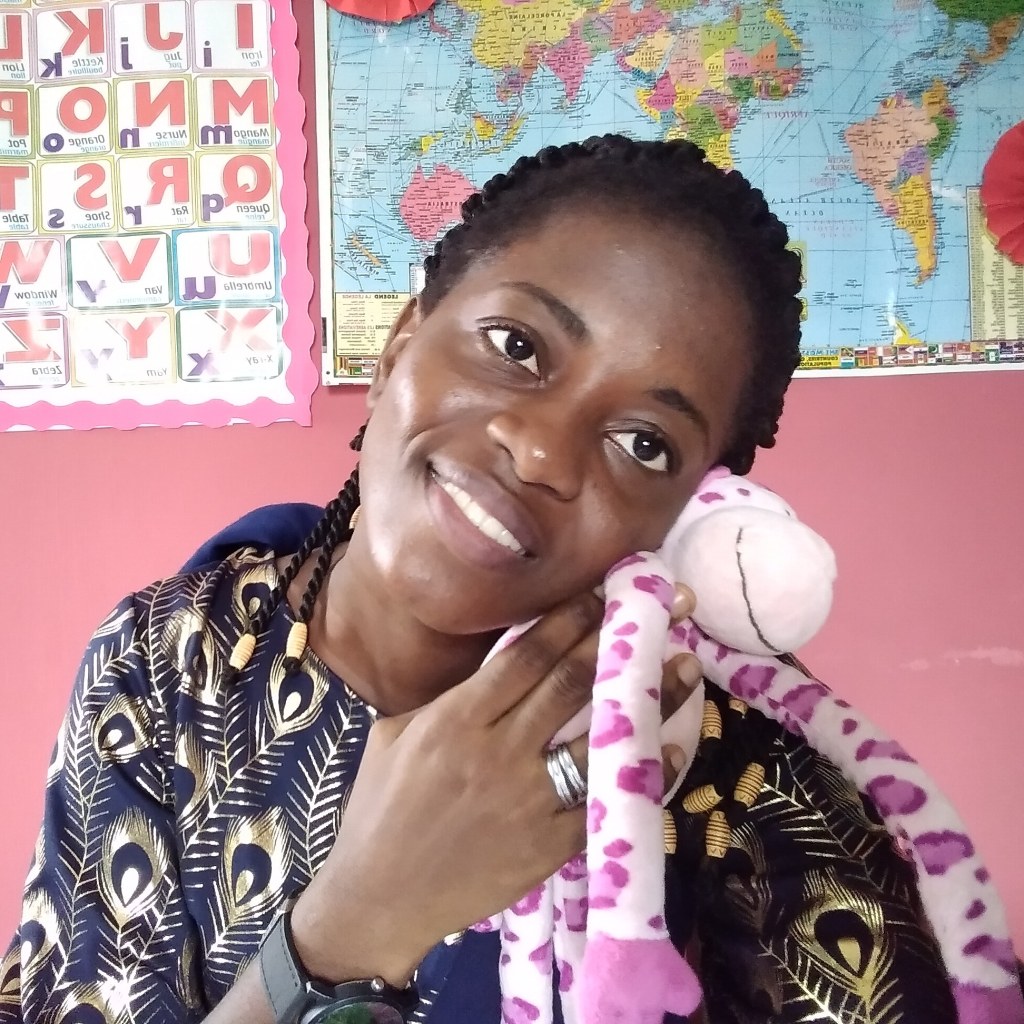
During the end of the year, September to be precise, I decided to take a bold step, something I have been longing to do but do not have enough courage to do because of fear of the unknown (working in a new place). I resigned from a place of work I have been working for four years. I was just playing around job vacancies on Facebook though my inner man wants to move forward but I was scared of stepping on toes because the people I was about to leave have been exceptional in their behaviours towards me.  I did got a new job but so sudden, I resigned emergently and that made me step on toes. The truth been said, I had to move on.

My last place of work was  a training ground, there were so many opportunities available to utilise and increase in capacity. Most of the ideas I brought to the table were acknowledged and utilised. This help me to really grow, I left there a person and the place got better than when I got there. I am super grateful to God and the entire team of Great Omega International Schools.

My new place of work is also a learning ground, I am always to learn wherever I find myself and I am always seeking for any available means to add my little quota to the growth of any person or place I find myself. Within thesre few months I have spent here, my perception to life , people , my tyeaching career and the world at large has really been affected positively. We hold weekly meetings to help us guide us on our work and we bhave been made to understand that the culture of a place is very important. No matter your level of experience, when you get to a new place of work, youn will need to acquaint yourself with their culture and work the culture or else it spits you out sooner than you least expected.

Something fantastic happened in my first four months there as a class teacher. I was recognised and appreciated for a good collaborative teaching with my class partner and for creating colourful slides and engaging online lessons. Super grateful to God , my teacher ( Akpan Emmanuel) and my colleagues for an enabling environment.

Most Collaborative Teacher

Fast forward back to 2020, November to be precise, I was given the privilege to speak at a conference – 21st Century Teachers International Conference. I spread the news about Empatico. Guess what? I finally conquered my fear on ‘public speaking’. I still can’t believe it. Funke stood in front of over one thousand teachers and spoke to them without jittering. It was an awesome and impactful moment.

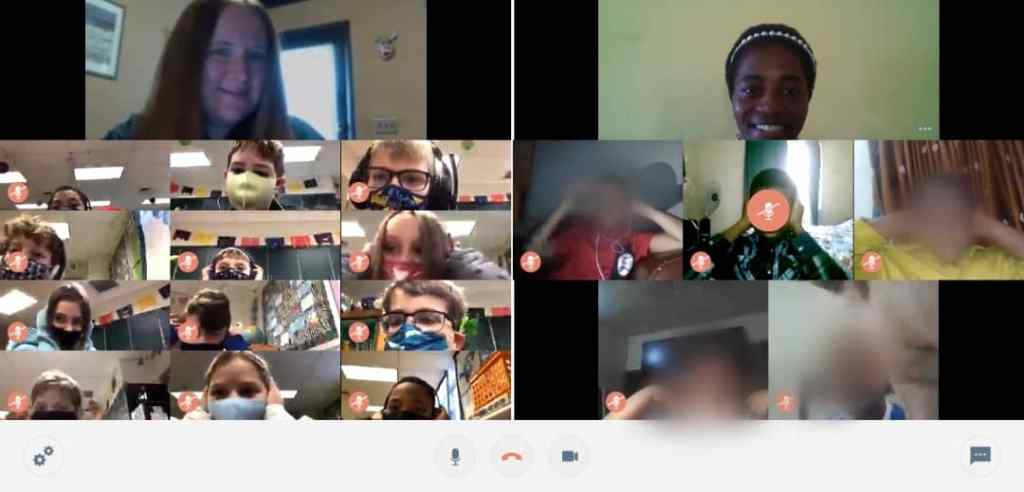
Talking about Empatico (www.empatico.org), apart from being a video conferencing tool used to connect classrooms from around the globe, it can be used to shape lives. Empatico helped me to touch the soul of my pupils (2019/2020). They are one of the pupils I won’t forget in a lifetime and I trust they won’t. During the holiday, they were still talking about their Empatico Kindness experience and wished it won’t come to an end.

Empatico Pilot Testing

In order for such not to happen, Empatico is working on a new feature which will allow clases to keep connecting remotely via the Empatico platform. I have been graced to be a part of the Empatico Pilot Testing Community, isn’t that great?

Something fantastic happened, like I said, 2020 brought me out of my comfort zone. I ended 2020 as a Vlogger, now I have a YouTube Channel. The first weeks weren’t easy you know but I got backed up by my lovely husband.

I noticed that only the Christian adults were catered for during the online Sunday School Class and been a Sundayb School Teacher in my church (R.CC.G), I needed to solve a problem. So, I started an online Sunday School Class called ‘Jesus Jewels’ Sunday School Class with Teacher Funke’. We met virtually via the ZOOM app every Sunday and the replay could be watched on YouTube. I share gospel stories and songs.

Kindly subscribe to my YouTube Channel if you are yet to do so.

The year 2021 is in motion already with so many opportunities for growth and making impacts. All I want to do in this year 2021 (by God’s grace) is to make IMPACT. I want to impact the world, hence working more on been a PROBLEM SOLVER!


I have come to realise that you can’t IMPACT the world without solving problems. Don’t forget so soon that problems are stepping stones to greater heights.
Conquer your FEARS and do all that’s in your power to change the world. Make up your mind to be the change you want to see in the world and leave this world better than you met it. BE A WORLD CHANGER. THE WHOLE WORLD EARNESTLY AWAIT YOUR MANIFESTATION TO SAVE HER.  YOU CAN DO IT!!!
TEACHER FUNKE

Watch Out for more from Teacher Funke in this new year. GOD is with me, I can do exceedingly great things!

HIGHLIGHTS: SHARING EMPATHY AND KINDNESS IN A PANDEMIC

HIGHLIGHTS OF THE JUST CONCLUDED 3 DAYS VIRTUAL EVENT FROM TOPFLIGHTERS DIGITAL LITERACY CLUB

THEME: SHARING KINDNESS AND EMPATHY IN A PANDEMIC

BRIEF HISTORY

Topflighters Digital Literacy Club was officially launched on Friday 21st November, 2019 at a prestigious school in Lagos, Nigeria. The event was graced with over 100 pupils and students from grade 4-grade12. We had in attendance, two digital citizenship trainers, an I.C.T teacher, myself and other colleagues of mine.

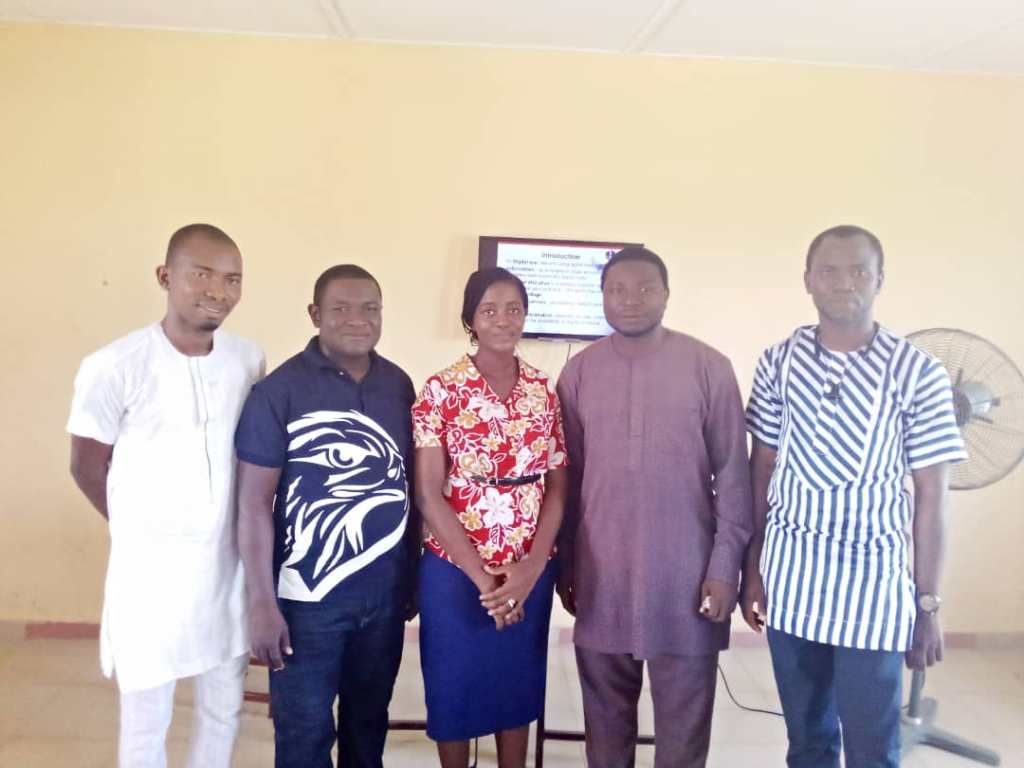
From left to right; Mr Adeniyi Yusuf(ICT Educator), Mr Ogbonnaya Nwani (Principal, Great Omega Int’l Sch.), Akpan Funke (Visioner, Topflighters Digital Literacy Club), Mr Adeleke Femi (Digital Citizens Trainer), Mr Lijoka Emmanuel (Digital Citizens Trainer)
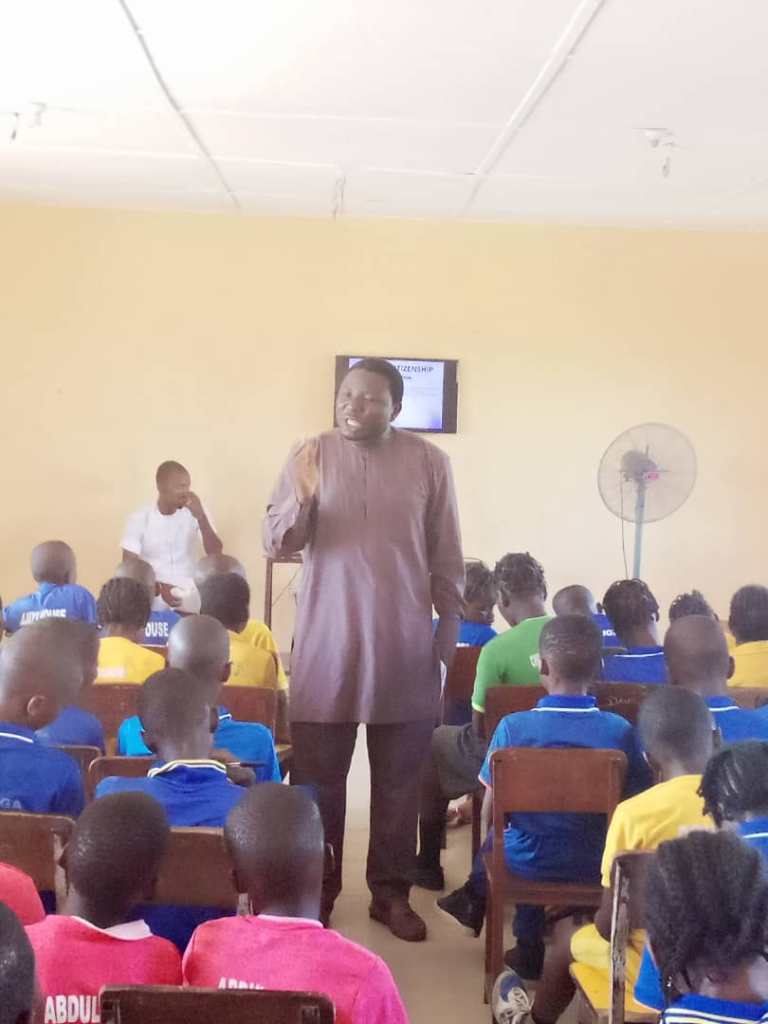
Mr Adeleke’s teaching on Digital Cititzenship
November 1st, 2019 at Great Omega International Schools

Prior to this time, the convener Akpan Funke introduced her pupils to becoming digital and global citizens. Her class joined the 2019 #digcitsummit. http://bit.ly/Mydigcitstory

They have also had collaborations with learners from different parts of the world via @SkypeintheClassroom and on Empatico Platform where they share classroom ideas, learn new ways to be kind and also how to spark empathy in their world with another classroom in Israel. Her class also worked on the global goals @SDG4- Quality Education. http://bit.ly/AkpanFunkeSDG

Akpan Funke, in her quest to raise global and digital citizens as well as ‘WORLD CHANGE AGENTS’ started the Topflighters Digital Literacy Club.

She believes in the power of technology and its utilisation in the right way and manner to foster life skills in children.

Empathy, she believes is the driving force to become change agents in the world today and it is crucial to understanding how people talk and behave online.

Hence, the theme for August 2020 edition: ‘Sharing Empathy and Kindness in the Pandemic’

Akpan Funke being a Kindness Champion Fellow with Empatico decided to stage this event in collaboration with Empatico and some Empatico Educators. (read more about Empatico here https://empatico.org/ )

The event lasted for three days: Monday 10th -Wednesday 12th August, 2020.

Below are the topics discussed during the event as essentials needed to share kindness and empathy in the pandemic:

The Zones of Regulation (best zone for learning) presented by Susan Weitzman-Trifman

Living Your Dreams Despite Barriers presented by Bukola Amao-Taiwo

Media Literacy presented by Lijoka Emmanuel

Digital Law presented by Femi Adeleke

The true meaning of Empathy presented by Akpan Funke

Critical Thinking Skills presented by Ishan Gupta

Telling Your Story as a Change Agent presented by Fehintola Emmanuel

(You will agree with me that knowledge about the above skills are required to share kindness and empathy in a pandemic.)

You can get an overview of the event here:http://bit.ly/digcitclub

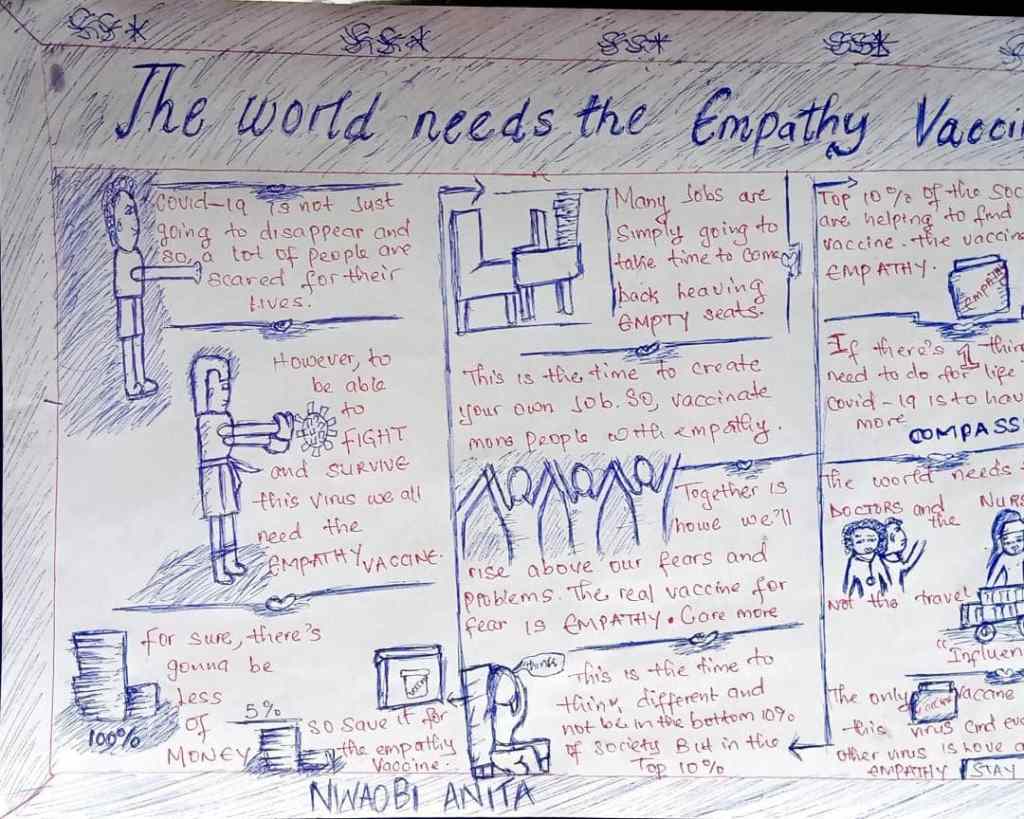
One of the sections was on telling your story as a change agent, prior to the commencement of the event, participants were asked to express themselves in diverse ways they have been showing kindness and empathy during this COVID-19 pandemic and what kindness and empathy means to them. They were also asked to submit articles, pictures or videos on their creative activities during the pandemic, so that their voices can still be heard despite the global pandemic.

All work was submitted and collated into a “Kindness in a Pandemic Magazine”, titled: PANDEZINE. (Kindly visit https://bit.ly/PandeZine to read more about the publication)

Here is a glimpse from Pandezine.

During the event, we had games, talks, dance, music renditions e.t.c

The kids had fun and were filled with so much joy and happiness were some were prompted to start utilizing their dreams and potentials.

One of our partners gave out certificates to some of the participants who participated in the Critical Thinking Skills Activity. We also issued a Cerificate of Participation to each participants.

The event was indeed an impactful and memorable one!

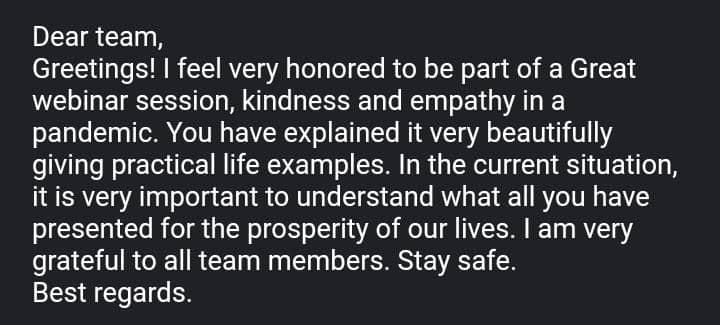
Feedback from one of the participants.
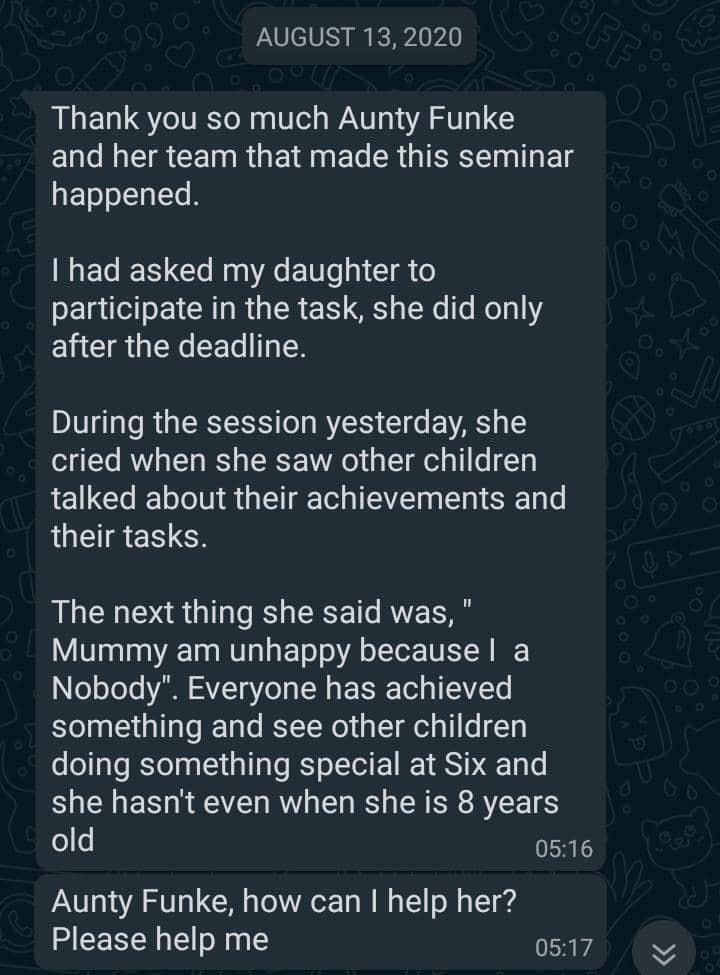
Feedback from one of the participants’ parent and a call to action!

Would you like your kids to be a part of our next edition?

Kindly fill and submit the form below:

← Back

Thank you for your response. ✨

Thanks, see you at the top!

← Back

Thank you for your response. ✨

← Back

Thank you for your response. ✨

Please rate our website(required)

SHARING EMPATHY AND KINDNESS IN A PANDEMIC

ABOUT THE EVENT

Join Topflighters Digital Literacy Club and children, teenagers and other educators like you for three days of fun, engaging and inspiring moment about how we can be kind and spark empathy in the world today!

There’s been an alarming rise in depression, anxiety, and suicide risk among tweens and teens over the past few years. Many parents, academics, and health professionals believe heavy technology and social media use is the cause. Then the Corona-virus pandemic of 2020 hit. Overnight, schools, peer networks, workplaces, and communities were pushed entirely online. Parents, educators, and adolescents themselves now face unprecedented instability.

Hence, the need for them to learn how best to handle their emotions, share kindness and spark empathy and more importantly, becoming digital citizens.

In a world where you can be anything, be kind!

Topflighters Digital Literacy Club invites every child, teenagers and educators for three days of fun, engaging and inspiring moment about how we can be kind and spark empathy in our world today!

During the course of this event, interested participants can submit their feelings about their experiences(s) during the Corona-virus pandemic and ways they have shown kindness to themselves, their society and the world. Participants can express themselves through essays, craft/artworks, video, audio etc. All submitted articles and work will be published into a global magazine titled: ‘Pande-Zine’.

 You are kindly invited to be a part of this global virtual event!

DATE: MONDAY 10th– WEDNESDAY 12th AUGUST, 2020

TIME: 17:00 daily (WAT)

      12NOON daily (EST)

      21:30 daily (IST)

VENUE: ZOOM/GOOGLE MEET

Kindly register here: http://bit.ly/Digitalliteracyclub

To be a part of the “Kindness in a pandemic Magazine”, kindly send your attachments here: Submit your work here: http://bit.ly/pande-zine

Join our WHATSAPP Group here: https://chat.whatsapp.com/BtDD9lcj6QGCW6GsFHTmYd

MEET OUR SPEAKERS

SUSAN WEITZMAN- TRIFMAN
(EDUCATOR, CO-HOST, ISRAEL)
A-Z OF SOCIAL EMOTIONAL LEARNING

Susan Weitzman-Trifman is an elementary school teacher at an American International School in Israel. Along with math, science, and other academic subjects, she spends time helping her students develop positive social-emotional skills. The past year Ms. Trifman’s class was fortunate to partner with Akpan Funke’s class in Nigeria as part of the Empatico Kindness Champions program.

BUKOLA AMAO-TAIWO
( CHILD RIGHTS ADVOCATE/RESEARCHER)
LIVING YOUR DREAMS DESPITE BARRIERS

Bukola is a seasoned lifelong learning teacher with experience in primary, secondary and tertiary levels of education. She is presently a consultant to schools in Lagos , Nigeria and she is passionate about creating global connections between the classroom and the real world.  

Her teaching philosophy drives her to adopt strategies that  connect classroom learning to real world experiences. One of her teaching goals is to develop global citizens and  lifelong learners who will create solutions to global challenges.

FEHINTOLA EMMANUEL
(EDUCATOR, NIGERIA)
TELLING YOUR STORY AS A CHANGE AGENT

Emmanuel Fehintola is an Educator,a Life Purpose Coach and also a certified Microsoft Innovative Educator (MIE). He has trained youths/teenagers to discover, develop and fulfill their God given purpose. He has also worked with World’s Largest Lesson and Empatico Fellowship between 2019/2020 to foster empathy and kindness in students and empowered them to help accomplish the  United Nations Sustainable Development Goals ( SDGs). He is presently based in Lagos, Nigeria.

FEMI ADELEKE
(DIGITAL CITIZENSHIP TRAINER, NIGERIA)
DIGITAL LAW

Femi Adeleke is an educator with fifteen years experience. He is a flexible, self-motivated, a matured team worker and adaptable to all challenging situation using own initiative.

He had gone through and was certified in many leadership courses in Education. Just to mention a few, Digital Citizenship, Family Engagement in Education, Teachers’ Leadership training.

His hobbies are reading, travelling and playing football.

LIJOKA EMMANUEL
(DIGITAL CITIZENSHIP TRAINER, NIGERIA)
MEDIA LITERACY

Give me a Place to Stand and I will Move the World”.
Lijoka Emmanuel has made an impact in Credit,Risk management, Banking services and digital media. He
specializes in new business development and major market expansion with demonstrated financial acumen in key areas. Emmanuel is known as an effective cross-functional team leader with creative problem-solving skills and decisiveness, fostering productive partnerships with internal stakeholders and clients to achieve corporate goals. He is interested in exciting opportunities where a combination of entrepreneurial drive and ownership mindset is encouraged; leveraging skills to contribute own quota to overall organizational growth and manpower development.

ISHAN GUPTA
(LEARNING SOLUTIONS, INDIA)
CRITICAL THINKING

My name is Ishan Gupta. I am an Engineering Post Graduate from India. I have 4+ years of Industry experience which require Critical Thinking skills to solve complex problems.I also mentor students on Critical Thinking skills, who are enrolled with our organization named “Learning Solutions”

Need of Critical Thinking:

A person having critical thinking skills will be able to take correct decisions and solve life problems easily.

BARBIE MENS (MODERATOR, GHANA)

Barbie Mens is  a highly resourceful, flexible, innovative and enthusiastic individual who possesses a considerable amount of knowledge and has over a decade of experiences regarding several working environment.

She is an Education Consultant, Leader, Administrator, and In-Service Trainer.

MORE INFORMATION, INCLUDING A DETAILED AGENDA WILL BE SENT CLOSER TO THE EVENT.

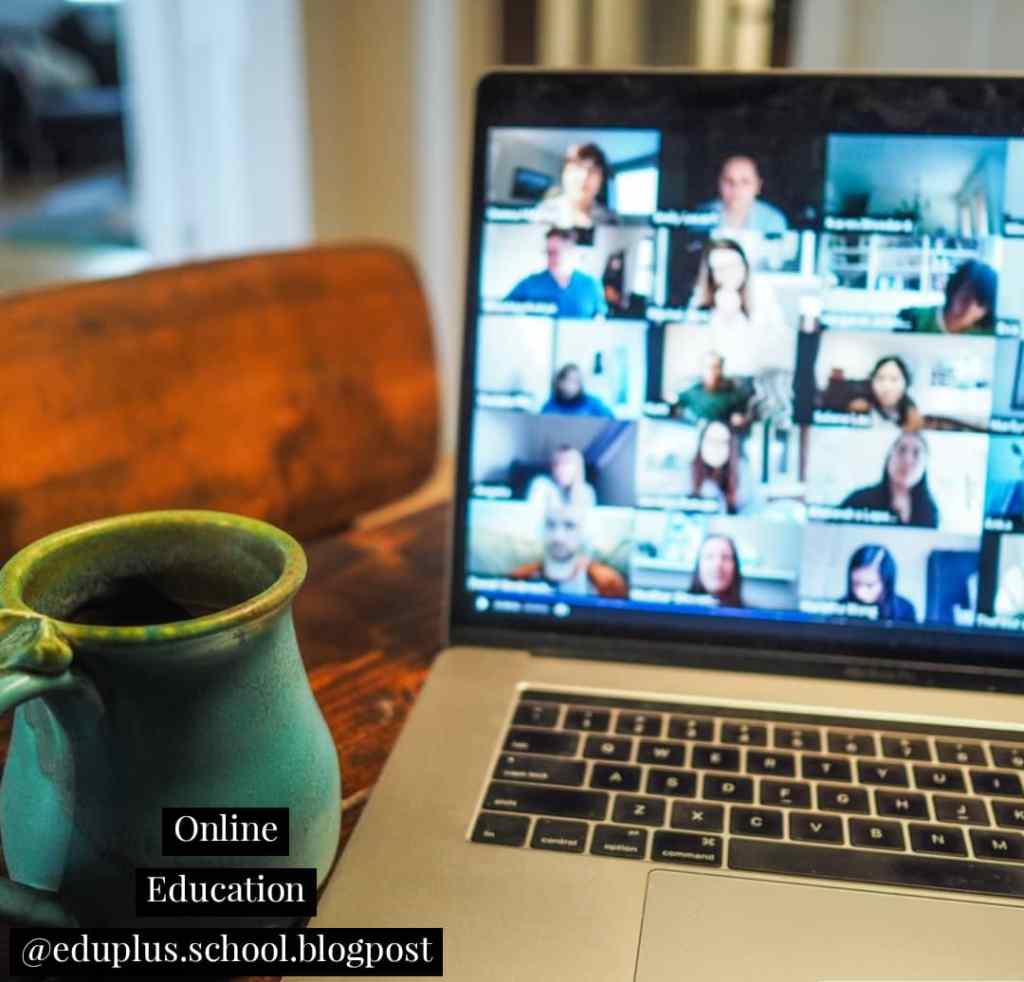
Understanding Online Education

Further studies on Online Education

Teachers across the world have found themselves needing to become quickly comfortable and confident with teaching online. Many of us might have experience of teaching young learners but we may be less familiar with how to teach learners online. It can seem as if there are a lot of new skills to learn but it is important to remember that many of the skills that we already have as teachers can, with a little adjustment, work very well in an online environment. This article will give you advice on the two forms of online education and resources you will need to teach online.

Forms of Online Education

Online education can be in two forms:

A. Synchronous Learning

B. Asynchronous Learning

A. Synchronous Learning refers to a type of online education in which the instructors and students are interacting in real-time. Synchronous learning can be in form of a live chat, video conferencing e.g Zoom, Skype, Microsoft Teams etc

Synchronous learning ensures that some assessment is done within the speculated time frame of being in the live class or during the live chat.

B. Asynchronous learning: Asynchronous learning refers to when the instructor and learners don’t need to meet in real-time. Majority of online learning is done asynchronously.

In asynchronous learning, resources are activities are accessed on an individual basis. It also gives room for flexibility; there are no time restraints except when given.

Asynchronous learning provides more room for slow teachers to work at their own learning pace.

Resources you will need to Teach Online

1. Digital Access: Digital access is the ability to fully participate in a digital society. This includes access to tools and technologies, such as the Internet and computers, that allow for full participation. Once an instructor or student do not have access to tools and technologies, participation in the digital world will not be possible.

2. Device: It is not enough to have access to digital tools, having a device you can use to impact or engage your learners is necessary.

You will need a desktop or a laptop. It is also important that you have a mobile phone which gives you the opportunity to reply or give instruction to your learners on the go.

3. Internet Connection: You need a strong and good internet connection in order to make online learning possible. A good internet service provider with.       will enhance the quality connection between your learners and you.

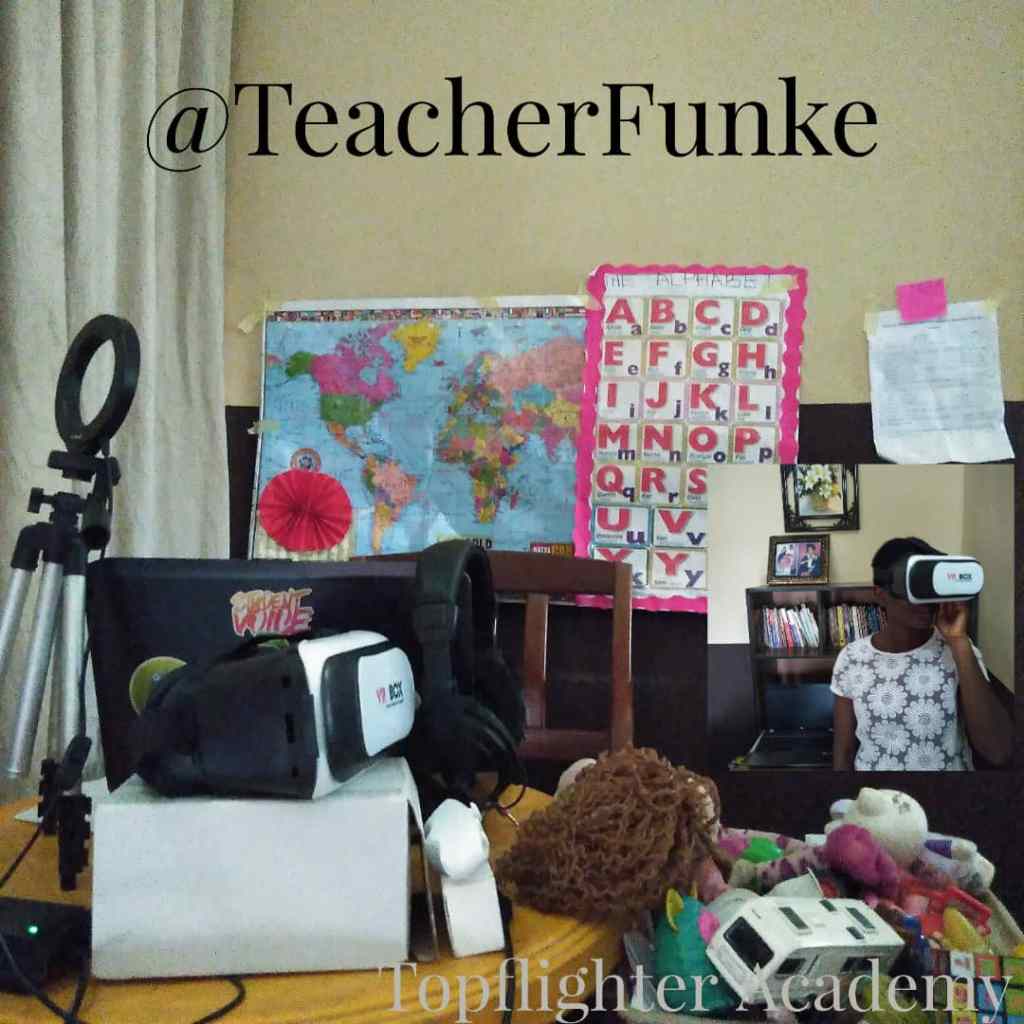
4. Various Accessories:

USB Microphone/ Headset

Webcam

Lighting

5. Software: You will need the following software:

 i. Screencast  tools

Screencast tools help you record what do on the computer screen, along with what you say while you do it. E.g Screencastify

ii. Video and audio editing tool

iii. Infographic tools: A tool that can help transfer information into graphics. Examples are:

a. Piktochart

b. PowerPoint Templates

c. Canva etc

iv. Lecture Capture Tools: Lecture capture software captures video both of the instructor and what the instructor displays on a computer; can be recorded during a lecture, in a face- to -face class, or separately. Some examples of lecture capture tools  are:

a. TechSmith Relay

TechSmith Relay allows faculty to record lectures from their personal computers. With this tool, it is possible to record videos, meetings, lectures, presentations, and more.

b. iSpring

iSpring allows teachers to record audio directly into their PowerPoint and convert the presentation to Flash or HTML5 so that it can be uploaded to your website, blog or Learning Management System.

c. Jing

Jing is a free application that allows you to take screenshots of your computer screen. Jing also allows you to record up to 5 minutes of a screencast.

6.Platform: You will also need a platform where you will share resources, help students to collaborate with their peers and also provide feedback with the learners.

This platform could be termed a ” Learning Management System(LMS)”.

According to Wikipedia, a Learning Management System (LMS) is a software application for the administration, documentation, tracking, reporting, automation and delivery of educational courses, training programs, or learning and development programs.

There are a whole lot of LMS in our world today, let’s examine some of them.

a. EdPuzzle:

Edpuzzle is an easy-to-use platform allowing you to engage every student, one video at a time. EdPuzzle is a free assessment-centred tool that allows teachers and students to create interactive online videos by embedding either open-ended or multiple-choice questions, audio notes, audio tracks, or comments on a video. Edpuzzle interactive videos can be made with videos from a number of websites, including YouTube, TED, Vimeo, and National Geographic.

b. Pear Deck: Pear Deck is an educational technology company offering a web-based application to K-12 schools and teachers. Pear Deck is an interactive presentation tool used to actively engage students in individual and social learning. Teachers create presentations using their Google Drive account. Students log into the presentation with unique access codes and interact with questions while teachers monitor student and whole-class progress. Pear Deck is a free service; teachers and schools can access a wide array of tools and resources for free or opt to subscribe to a premium account.

c. Edmodo

Edmodo is an educational technology company offering a communication, collaboration, and coaching platform to K-12 schools and teachers. The Edmodo network enables teachers to share content, distribute quizzes, assignments, and manage communication with students, colleagues, and parents.

d.Google Classroom

The search engine turned ‘all-things-tech’ powerhouse recently announced the introduction of the Classroom, its first foray into the world of LMSes. Still, in beta, Classroom allows teachers to create and collect assignments, see what students have finished, and give real-time feedback — all online. No more trekking from home to school with piles of essays or tests to grade! While most LMS platforms cost money to implement, Classroom is currently free — a massive plus for schools that want to become more high-tech but lack the budget necessary to purchase a school-wide program.  

e. Pearson SuccessNet, SuccessNet Plus, and Online Learning Exchange

The popular textbook publisher and assessment creator has also entered the LMS game, creating three different options for schools to purchase. SuccessNet offers digital instruction resources and assessments. While sites like Better Lesson and Share My Lesson also provide these things, SuccessNet’s resources are all vetted by Pearson and fall in line with the curriculum the company is already producing in hard copy. This looks a little less like a typical LMS as it simply has resources and lacks the tracking, documentation aspect that makes many LMS platforms so popular.

This is why Pearson also offers SuccessNet Plus, a more traditional LMS. Plus has all of SuccessNet’s digital resources and assessments with the addition of planning, instruction, and tracking programs. Additionally, Pearson offers its Online Learning Exchange (OLE). The exchange helps teachers connect to and find subject-specific media, documents, and other resources that can supplement and enrich the curriculum. To get an idea of pricing for a Pearson LMS, the OLE website says, “Pricing starts from as low as $4.00 per student or $2000 per building.”  

h. Schoology

Another cloud-based LMS, Schoology was created in 2009 by three undergraduates at the University of Washington in St. Louis. While the software was initially just used as a note-taking and sharing platform, it developed over time into a full LMS, complete with resource folders, tracking systems, and communication programs. Schoology accounts are free for parents, teachers, and students; however, a license is required if a school wants to link data from the platform with its other programs. Schoology is used by districts across the U.S., including Jefferson Public School District in Colorado, Palo Alto Unified School District in California, and Minnetonka Public Schools in Minnesota.

i. Blackboard

Perhaps one of the most popular LMS choices in the post-secondary world, Blackboard has created a K-12 solution, as well. Blackboard’s LMS solutions in the primary and secondary space are categorized under Common Core, Innovative Learning, and Open Classroom options. These options play on the strengths of mobile devices in a classroom setting, and the company also sees mobile communication tools as a great way to keep families informed about the comings and goings in their child’s school. While the Blackboard products appear to provide clear ways to share information and advise teachers, an actual tracking and documentation system doesn’t seem to be at the forefront of its K-12 products.

j. Desire2Learn

Desire2Learn is used at more than 650 institutions across the globe. Its K-12 product is focused on personalized learning, blended learning and teacher professional, meant to deliver reliability, freedom, and flexibility. The company’s site also features several case studies from Georgia, Colorado, New York, Missouri, and Alabama.

k. Moodle

A free open-source learning platform, Moodle is “community-driven, globally supported.”  Documentation, trackers and resources are all provided through Moodle. The site does not have a specific “K-12” product, however, if a teacher or administrator is tech-savvy enough, they can bend the program to their school or district’s needs.

7. Teaching Resources: The last but most important resources needed is the teaching material. You will agree with me that traditional teaching and learning content will be quite different from online education. There are a lot of websites you can get teaching materials from if you can navigate your ways around the internet. To start with, there are a whole number of learning materials on Pinterest if you would like to give it a try.

Online Education, the New Normal!

It is no longer news that online teaching is the”New Normal” in the Education System.

Hence, the need for teachers to update themselves and acquire the necessary skills and virtual teaching methodologies.

What is Online Teaching? Online Teaching is a form of education which is delivered and administered using the internet.
In Online Education, the following can be used to educate, teach, and affect the lives of the learners positively:

  1. Online Conferencing Softwares e.g Zoom,Skype, Google Hangouts etc.
  2. The Use of Props, Songs, Videos and Pictures.
  3. Total Physical Response Method ( TPR): In as much as traditional teaching is different from online teaching,the techniques to be used in online education will be different from that of the traditional teaching. One of the best methods that can aid qualitative teaching of English Language basically to learners (beginners) is the TPR method.
    Total Physical Response is a dynamic approach in which students use gestures, drama and body language to reinforce language acquisition. TPR method also helps to create interactive sessions with the learners and at the same time engage them.

Below are some of the Strengths and Weaknesses of Online Education:
Strengths

  • Convenience
  • Flexibility
  • Increased interactions with the learners
  • It helps to develop important technical skills.
  • Creative Teaching Materials
  • It enhances learners’ self motivation and create self – discipline.

Weaknesses

  • Bad Network: To handle bad network connection, a recording of the missed teaching sessions can be made and compressed to a smaller size so that they can catch up with the missed lessons.
  • Data: Provision of more than one service provider in case there is a poor connection.
  • Screen Time: In order to reduce the time learners will be on the screen, lessons should be made short, engaging and precise with a maximum of 40 minutes per lesson.
  • Time Management: To make no. 3 possible, planning the lessons before hand and getting the materials ready before the class begins is going to aid good time management.

Conclusion

Since online education creates convenience and the ability to work or perform a given task at one’s preferred time, procrastination comes in and if not well handled, it can reduce the quality of work done. Flexibility can sometimes bring about distractions. Once a learner is distracted it’s going to take self control and self correction of the learners.

Although online education can enhance increased interactions with the learners. The major challenge will be handling a group or groups of learners at the same time and this might lead to the learners learning the lesson through independent practice.
It is of a truth that online education helps to develop important technical skills. It’s bad side is lack of digital literacy which is dangerous. If a learner or the teacher is computer literate,virtual learning could be a challenge. Since online education has long been embraced in some other parts of the world, vast resources are made available online but where the problem lies is the usage and the teaching methodology involved in online education. Traditional curriculum and methods of teaching can’t be applied to online education then the need for teachers to equip themselves though it might not be easy at first.

Although online education can enhance increased interactions with the learners. The major challenge will be handling a group or groups of learners at the same time and this might lead to the learners learning the lesson through independent practice.

It is of a truth that online education helps to develop important technical skills. It’s bad side is lack of digital literacy which is dangerous. If a learner or the teacher are computer literate,virtual learning could be a challenge. Since online education has long been embraced in some other part of the world, vast resources are made available online but where the problem lies is the usage and the teaching methodology involved in online education. Traditional curriculum and methods of teaching can’t be applied to online education , then the need for teachers to equip themselves though it might not be easy at first.

Written By: Teacher Funke (funakp82@gmail.com)