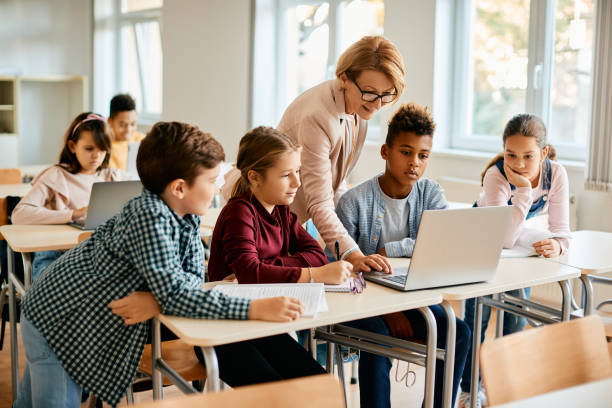
Flipped Learning, among the numerous teaching methods, is what intrigues 21st-century learners the most. Having used it numerous times in the classroom, it has become one of my favorites. By using Flipped Learning, I have been able to enhance my learners’ communication skills, especially for those who are shy to speak in class. It has also fostered a love for learning, emphasizing the importance of lifelong learning in this age and time. Additionally, it helps learners take ownership of their learning process.

Definition of Flipped Learning:Flipped Learning is an instructional strategy where traditional lecture and homework elements are reversed. Students first explore new content at home, typically through videos or readings, and then use classroom time for engaging in interactive activities, discussions, and collaborative projects that reinforce and apply the learned material.
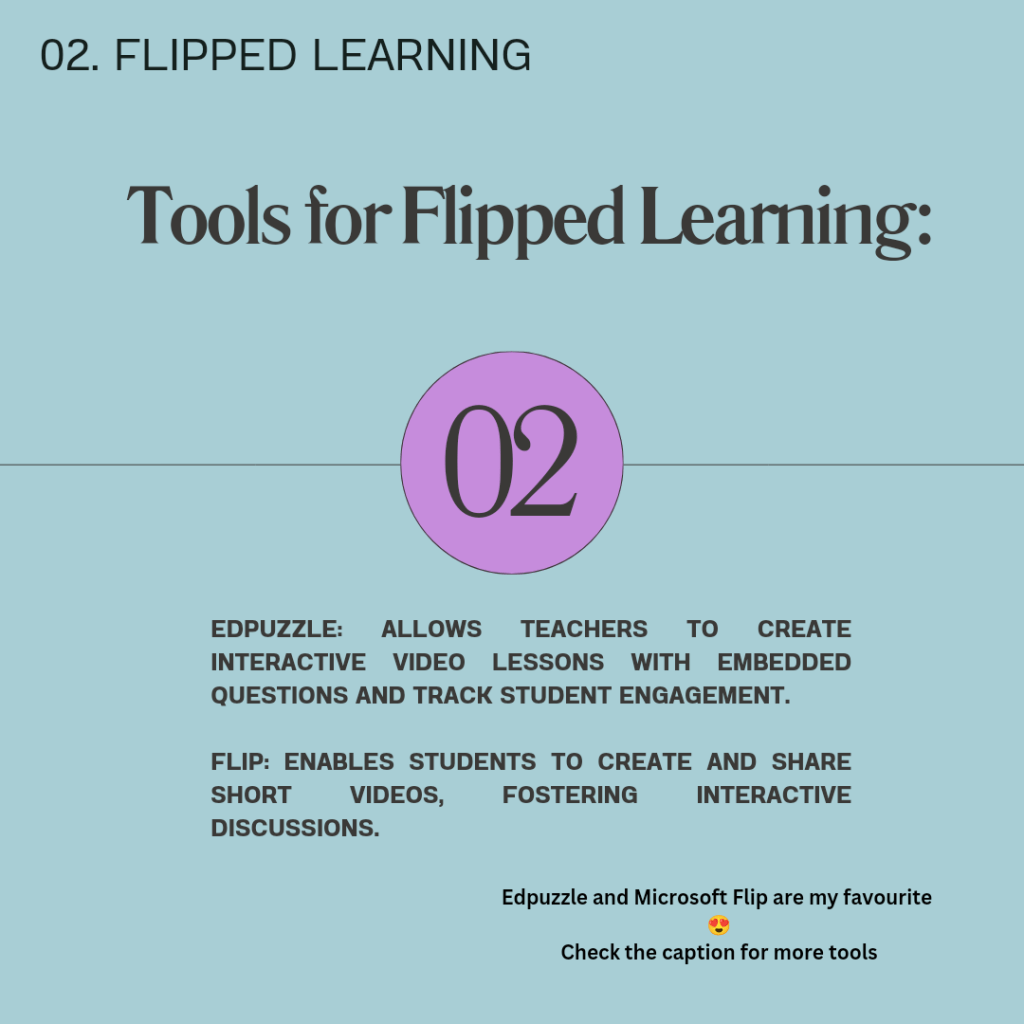
Tools for Flipped Learning
Edpuzzle: Allows teachers to create interactive video lessons with embedded questions and track student engagement.
Khan Academy: Offers a vast library of instructional videos and practice exercises in various subjects.
Google Classroom: Facilitates the distribution of educational content and assignments, as well as classroom discussions.
Screencast-O-Matic: A screen recording tool for creating instructional videos.
Nearpod: An interactive lesson platform that includes videos, quizzes, and collaborative activities.
Microsoft Flip: Enables students to create and share short videos, fostering interactive discussions. (Note: Microsoft Flip will no longer be in operation from September. I call Microsoft Flip the educational TikTok.)
Padlet: A digital bulletin board where students can post notes, images, links, and videos to collaborate on assignments.

Skills Developed Through Flipped Learning
Critical Thinking: Engaging with content at home allows students to analyze and reflect on information, fostering deeper understanding and critical evaluation.
Self-Directed Learning: Students learn to take responsibility for their own learning, managing their time and resources effectively.
Collaboration: Classroom time is used for group activities and discussions, enhancing teamwork and communication skills.
Communication: Interactive classroom sessions encourage students to express their ideas and questions, improving verbal and written communication.
Technological Proficiency: Utilizing various digital tools for learning content and completing assignments enhances students’ tech skills.
Problem-Solving: Hands-on classroom activities and projects require students to apply knowledge and solve real-world problems creatively and efficiently.
Adaptability: Flipped Learning teaches students to adapt to different learning environments and methods, preparing them for the diverse challenges of the future.
Research Skills: Independently exploring topics at home encourages students to develop strong research abilities and information literacy.
Flipped Learning will help you elicit information from learners rather than just relying on traditional tests. These skills are essential for 21st-century learners, equipping them for success in both academic and professional settings.

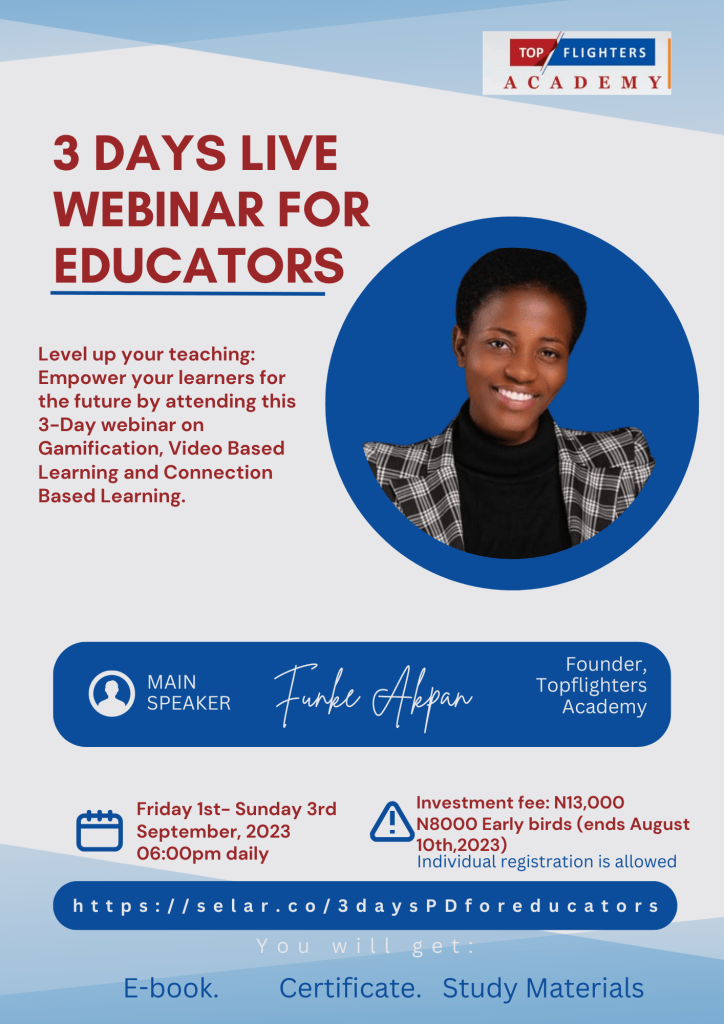
At Topflighters Academy, we are available for teacher trainings on 21st-century teaching methodologies.
Don’t forget to like, comment, share, follow, and save this post if you found it helpful!

How have you incorporated Flipped Learning in your classroom, and what benefits have you observed?
Share your experiences in the comments below!








 EduPlus