Trend: #3
For today’s educational trend, we’re focusing on Project-Based Learning (PBL). This method is encompassing, allowing various teaching methods to be infused to meet the learning outcomes. At the same time, it enriches the learning process and enhances learners’ skills by building confidence, collaboration, problem-solving skills, communication, perspective-taking, and more.
Definition of Project-Based Learning (PBL):Project-Based Learning is a student-centered teaching method in which students learn by actively engaging in real-world and personally meaningful projects. Students work on a project over an extended period, which allows them to explore and respond to a complex question, challenge, or problem. This approach integrates various subjects and skills, culminating in a final product or presentation that demonstrates their knowledge and skills.
Benefits of Project-Based Learning
1. Enhanced Engagement: Students find PBL more engaging as it relates to real-world situations and their interests.
2. Deeper Understanding: PBL encourages deep learning and retention as students apply their knowledge to real-world problems.
3. Skill Development: Students develop critical thinking, collaboration, communication, and problem-solving skills.
4. Confidence Building: Working on projects helps students build confidence in their abilities and ideas.
5. Interdisciplinary Learning: PBL often integrates multiple subject areas, providing a more comprehensive understanding of the topic.
6. Ownership of Learning: Students take charge of their learning process, fostering independence and self-direction.
Steps to Implement Project-Based Learning
1. Identify the Learning Objectives: Determine the key concepts and skills students need to learn.
2. Design the Project: Create a project that is meaningful, engaging, and aligned with the learning objectives.
3. Plan the Assessment: Decide how students’ learning and skills will be assessed throughout and at the end of the project.
4. Launch the Project: Introduce the project to students, clearly explaining the goals, expectations, and timelines.
5. Facilitate Learning: Guide and support students as they work on their projects, providing resources and feedback.
6. Evaluate and Reflect: Assess the final projects and encourage students to reflect on their learning experiences and outcomes.
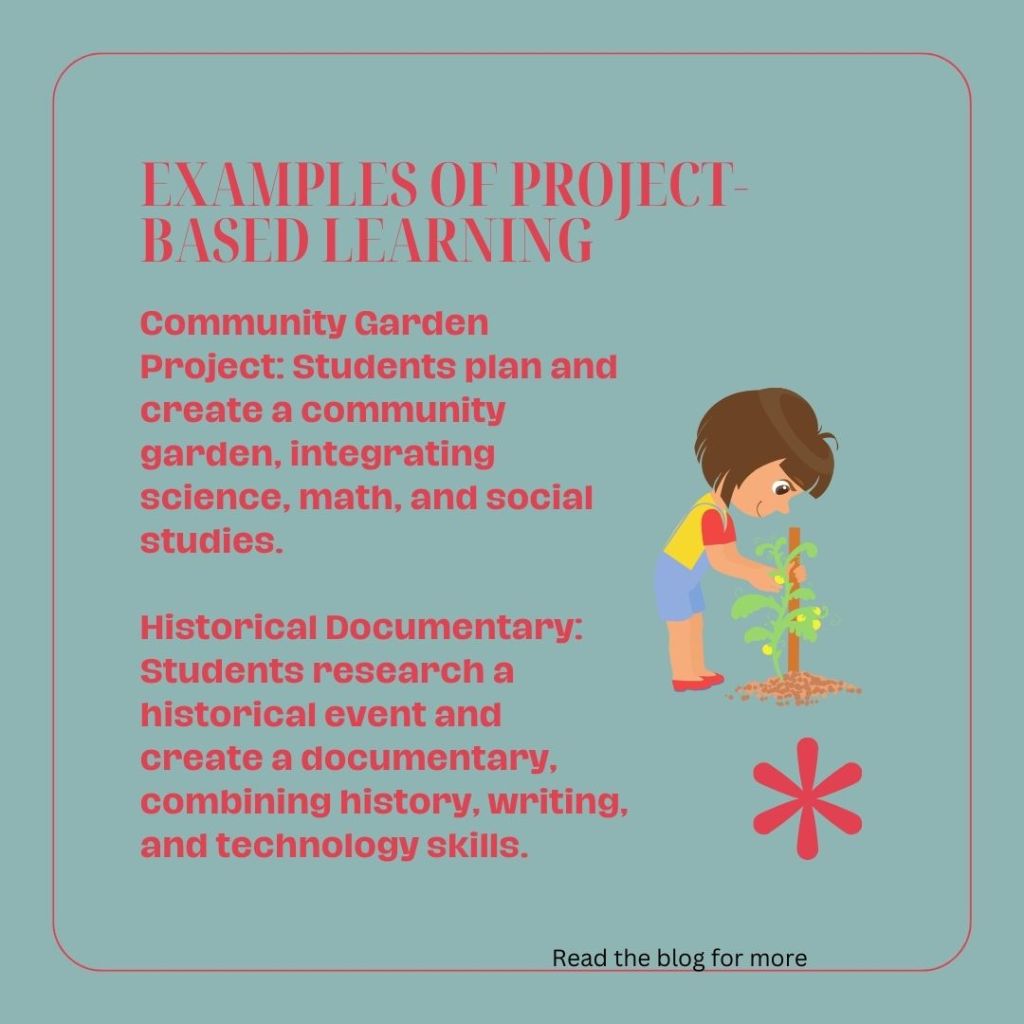
Examples of Project-Based Learning:
1. Community Garden Project: Students plan and create a community garden, integrating science, math, and social studies.
2. Historical Documentary: Students research a historical event and create a documentary, combining history, writing, and technology skills.
3. Entrepreneurship Project: Students design and pitch a business plan, incorporating economics, marketing, and communication skills.

Platforms that Aid Project-Based Learning
1. AiTeacha: Offers tools and resources to design, manage, and assess project-based learning activities, making it easier for teachers to implement PBL effectively.
2. Google Workspace for Education: Provides a suite of tools like Google Docs, Slides, and Classroom to facilitate project planning, collaboration, and presentation.
https://edu.google.com/workspace-for-education/editions/overview/
3. PBLWorks: Offers resources, training, and tools specifically designed for implementing high-quality PBL.
4. Trello: A project management tool that helps students and teachers organize tasks and collaborate on projects.
5. Seesaw: A student-driven digital portfolio platform that allows students to document and share their project work.
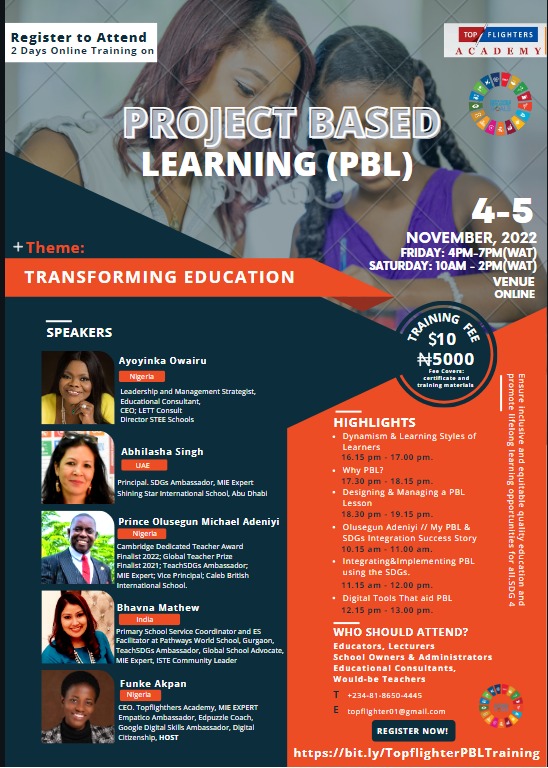
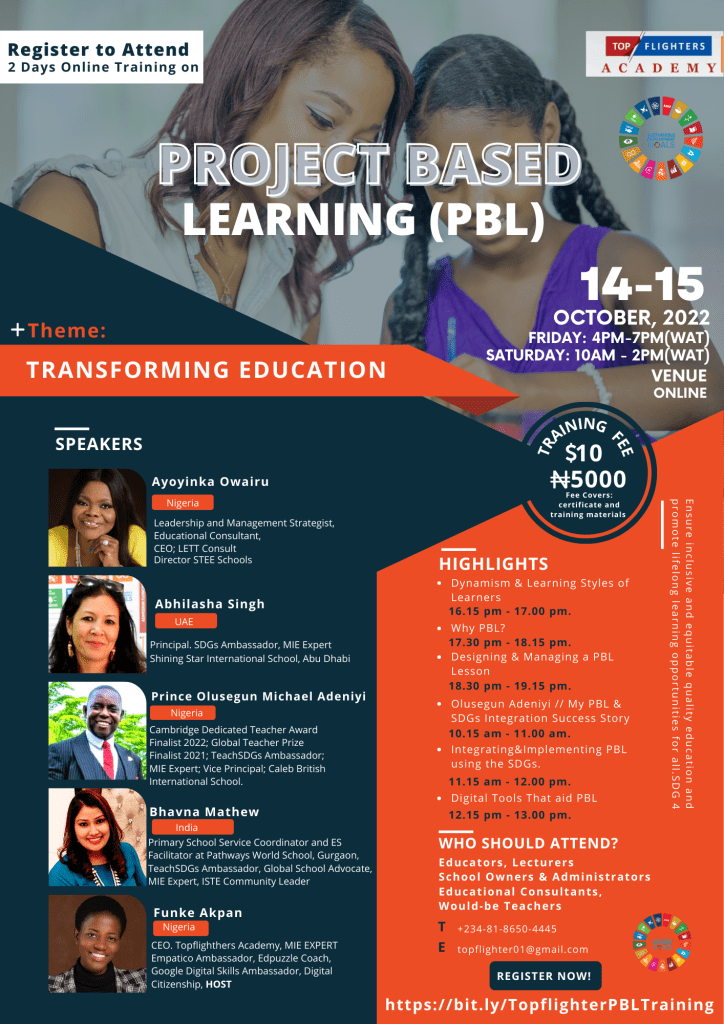
Do you want to learn more about PBL? Enroll for the transformative course here: https://selar.co/PBL

Like, comment, share, follow, and save this post if you found it helpful!
How have you incorporated Project-Based Learning in your classroom, and what benefits have you observed?
Share your experiences in the comments below!







 EduPlus