Digital Citizenship: Navigating the Digital World Responsibly and Respectfully

In today’s fast-paced, tech-driven world, the concept of digital citizenship has never been more crucial. Whether we’re using social media, researching for school or work, or connecting with others across the globe, our online actions have real-world implications. So, how can we ensure we navigate this digital space both responsibly and respectfully?

What is Digital Citizenship?

At its core, digital citizenship refers to the responsible use of technology by anyone who engages with digital devices, the internet, and other virtual platforms. It’s not just about knowing how to use a computer or a smartphone but understanding how to participate in the digital world ethically and productively. This includes respecting others’ privacy, avoiding cyberbullying, protecting personal data, and being mindful of the legal and moral consequences of one’s actions online.
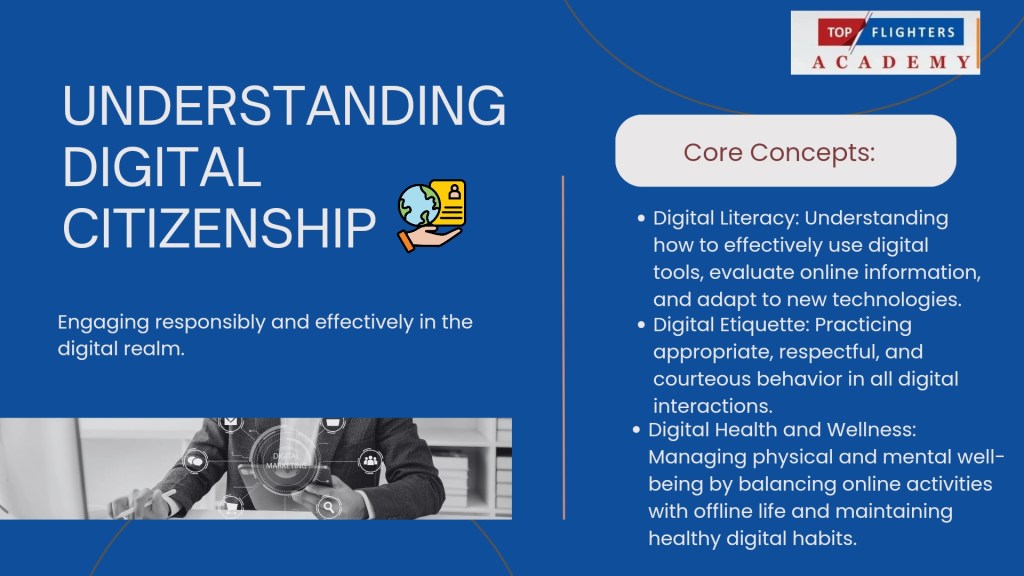
Key Pillars of Digital Citizenship
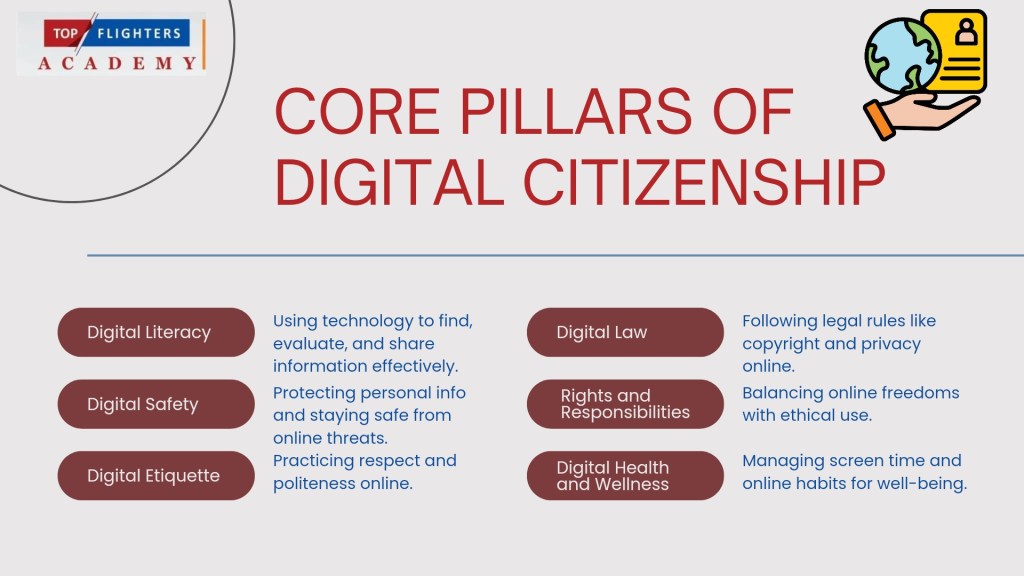
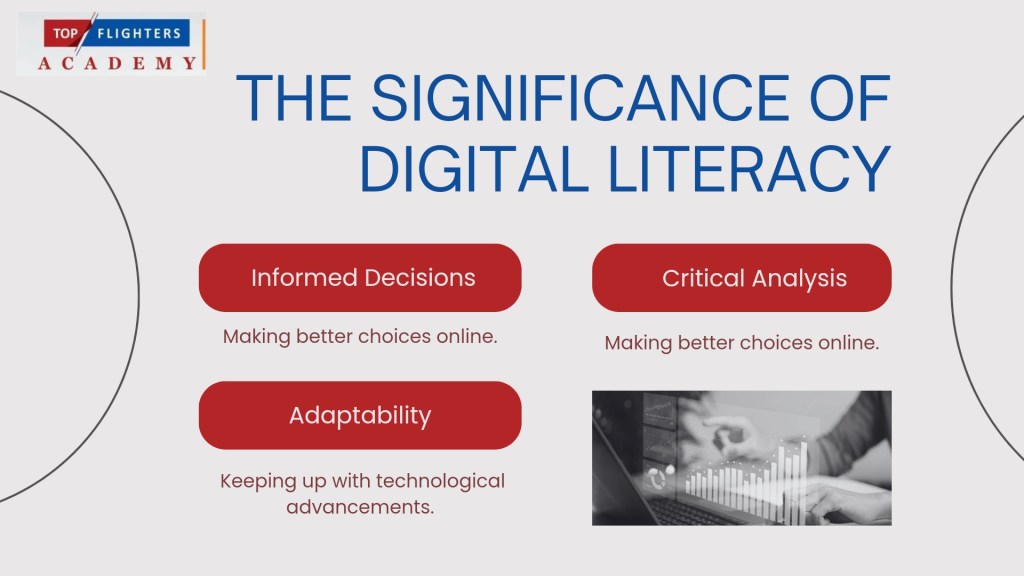
1. Digital Literacy: Digital literacy is the foundation of digital citizenship. This means having the ability to effectively find, evaluate, and communicate information using technology. As a digital citizen, it’s essential to be able to discern credible sources from unreliable ones, understand how algorithms shape what we see online, and stay up-to-date with digital trends.
2. Digital Etiquette: Just as there are societal rules that govern how we interact in person, there are also expectations for how we should behave online. This is known as digital etiquette. It’s about treating others with respect, avoiding inflammatory language, and practicing kindness. It’s especially important in an age where online anonymity can sometimes bring out the worst in people. Being polite and considerate online helps foster a more positive and productive digital environment.

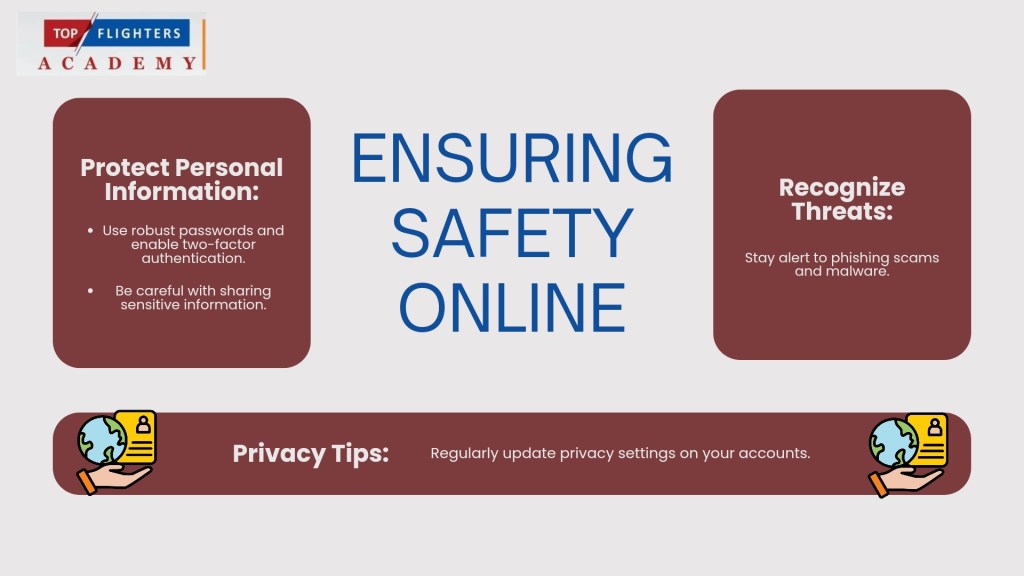
3. Digital Safety and Security: While the internet has made information more accessible, it has also made it easier for hackers, scammers, and cybercriminals to exploit others. Digital citizens must take precautions to safeguard their personal information. This includes using strong passwords, being wary of phishing scams, and regularly updating software to protect against malware. Staying informed about digital threats and practicing good online habits ensures that your digital footprint is secure.
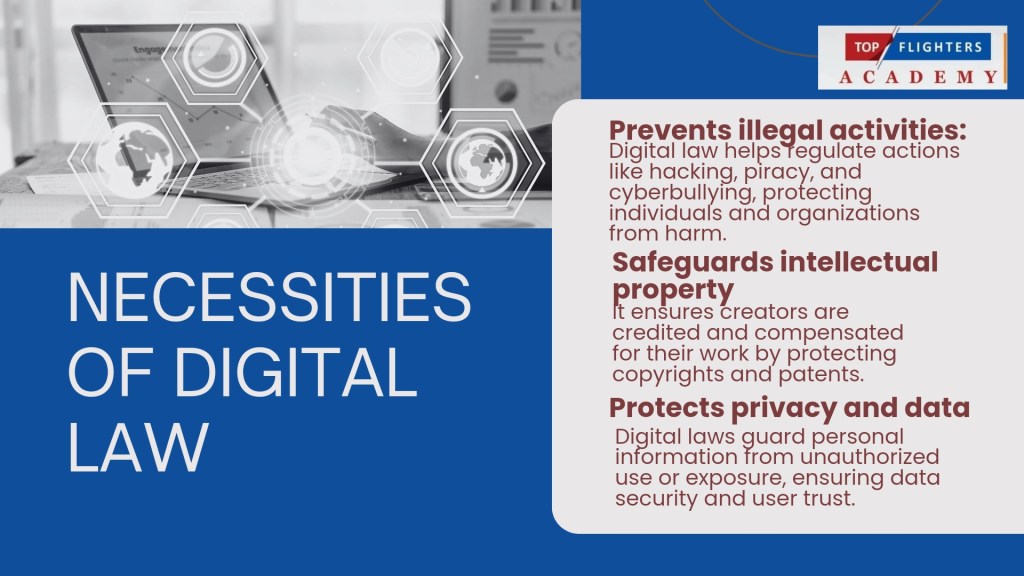
4. Digital Law: Many people are unaware that their online actions can have legal consequences. Sharing copyrighted material without permission, engaging in cyberbullying, or hacking into systems can lead to severe penalties. Understanding digital laws—such as copyright, fair use, and privacy rights—helps individuals navigate the online world while staying on the right side of the law.
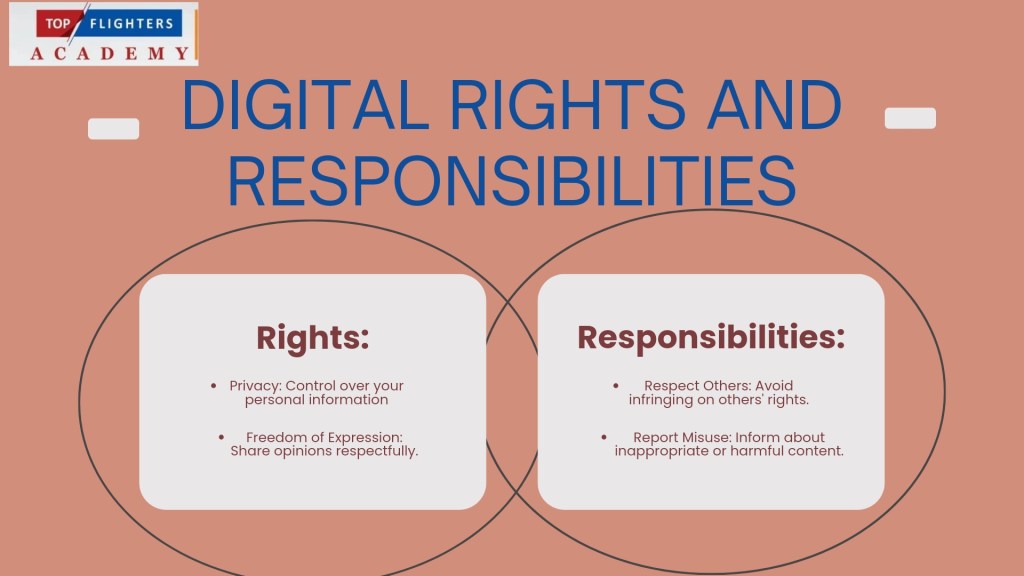
5. Digital Rights and Responsibilities: As digital citizens, we have certain rights, such as the right to privacy, freedom of speech, and access to information. However, with these rights come responsibilities. For instance, while you may have the right to express your opinions online, it’s essential to do so without spreading misinformation or hate speech. Balancing rights and responsibilities ensures that the digital space remains inclusive and safe for all.
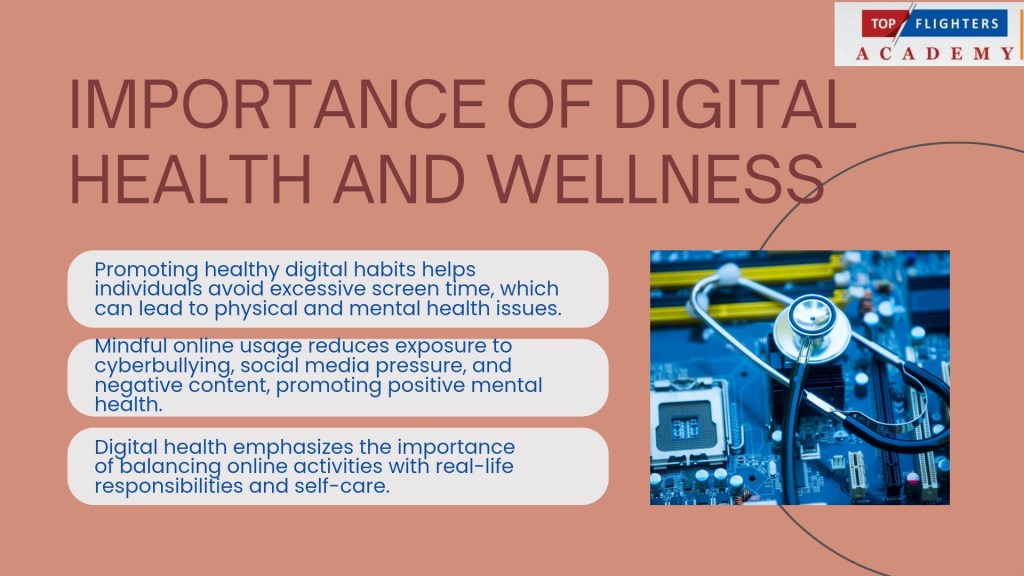
6. Digital Health and Wellness: Constant connectivity can have detrimental effects on mental and physical health. Digital citizens must learn to balance their online activities with their real-world lives. This might mean setting boundaries for social media use, taking regular breaks from screens, and promoting positive mental health by engaging in meaningful online interactions. Encouraging self-awareness and mindful internet usage can help mitigate the negative impacts of digital overconsumption.
Why Responsible and Respectful Digital Citizenship Matters

In the digital age, our online presence is an extension of ourselves. The way we interact with others online reflects who we are in real life. When we navigate the digital world responsibly and respectfully, we not only protect ourselves but also contribute to a more positive, inclusive, and safe online community. Responsible digital citizens use technology to uplift, educate, and inspire others rather than to harm or deceive. They recognize that their actions have real-world consequences and that respect, empathy, and understanding should guide their online behaviours.

Tips for Practicing Good Digital Citizenship

Think before you post: Once something is shared online, it’s difficult to take it back. Consider the potential impact of your words and images before sharing.

Respect others’ privacy: Just because something is online doesn’t mean it’s yours to share. Always respect the privacy and confidentiality of others.

Be mindful of your digital footprint: Everything you do online leaves a trail. Be conscious of the information you share and how it might be used by others.

Engage constructively: Avoid engaging in negative or harmful behaviour such as cyberbullying, trolling, or spreading false information. Instead, use digital platforms to contribute positively to conversations.

Conclusion: Being a responsible and respectful digital citizen isn’t just about following rules; it’s about contributing to the online world in a way that promotes safety, positivity, and inclusivity. By embracing the principles of digital citizenship, we can all play a part in creating a better, more respectful digital world for everyone. Let’s commit to navigating the digital world with care—respecting others, protecting ourselves, and leaving behind a positive footprint. After all, being a good digital citizen isn’t just an option; it’s a responsibility we all share.
Are you still in doubt on the relevance of Digital Citizenship in the classroom especially amongst the younger generations, I have curated a Wakelet Collection that has over 20 items/links that will provide you with the necessary information and resources on how you can help your students and children cultivate the right state of mind as regards Digital Citizenship.

Happy Digital Citizenship Week!

Thank you for reading! For speaking engagements on Digital Citizenship Education, kindly reach out to us at topflighter01@gmail.com

Funke Akpan

Founder, Topflighters Academy
Igniting 21st Century Skills for the Future

#Trend 4: Connection Based Learning

In today’s rapidly evolving educational landscape, where technology and globalization have become the norm, there’s an emerging approach that is reshaping how we think about teaching and learning. This approach is called Connection-Based Learning (CBL). It’s not just another buzzword; it’s a powerful educational philosophy that emphasizes the importance of relationships, collaboration, and real-world connections in the learning process.

In this blog post, we’ll explore what Connection-Based Learning is, why it matters, and how educators can effectively implement it to create meaningful and impactful learning experiences for their students.

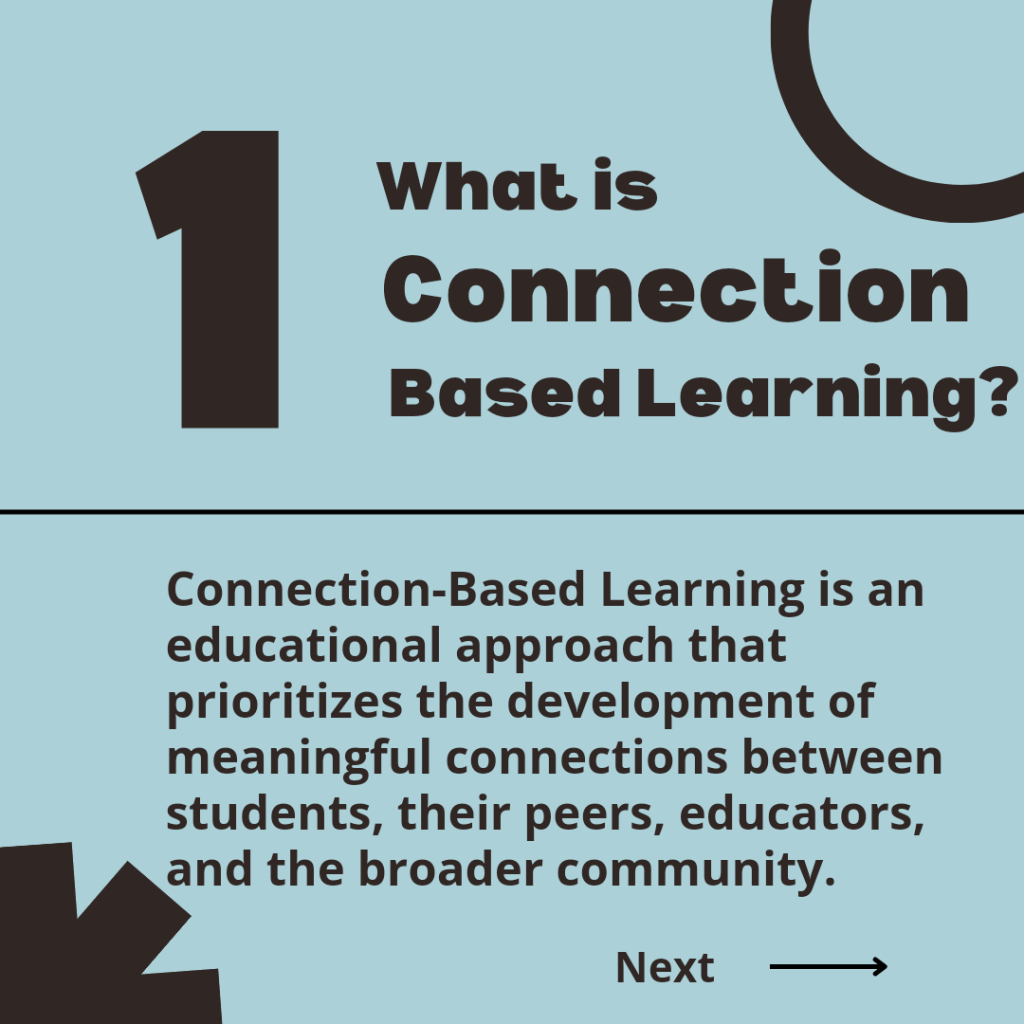
What is Connection-Based Learning?

Connection-Based Learning is an educational approach that prioritizes the development of meaningful connections between students, their peers, educators, and the broader community. The goal is to create a learning environment where students are not just passive recipients of information but active participants in a network of relationships that enhances their understanding of the world. At its core, CBL is about creating authentic, real-world connections that enrich the learning experience.

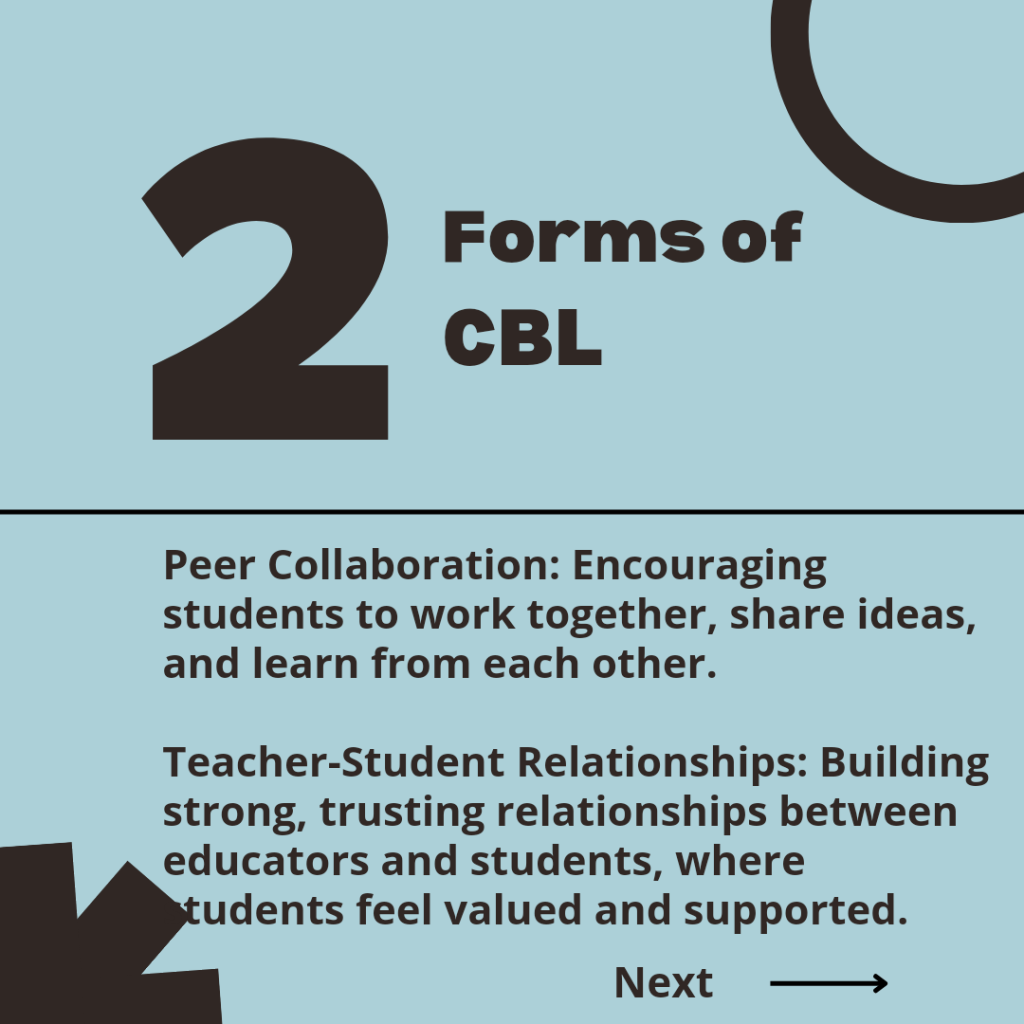
These connections can take many forms, such as:

1. Peer Collaboration: Encouraging students to work together, share ideas, and learn from each other.

2. Teacher-Student Relationships: Building strong, trusting relationships between educators and students, where students feel valued and supported.

3. Community Involvement: Connecting learning to the broader community, whether through partnerships with local organizations, service-learning projects, or real-world problem-solving.

4. Global Connections: Leveraging technology to connect students with peers, experts, and communities around the world, fostering a global perspective and cultural understanding.

Why Connection-Based Learning Matters

In an era where information is readily accessible at our fingertips, the role of education is shifting from simply transmitting knowledge to fostering critical thinking, creativity, and collaboration. Connection-Based Learning is a response to this shift, offering several key benefits:

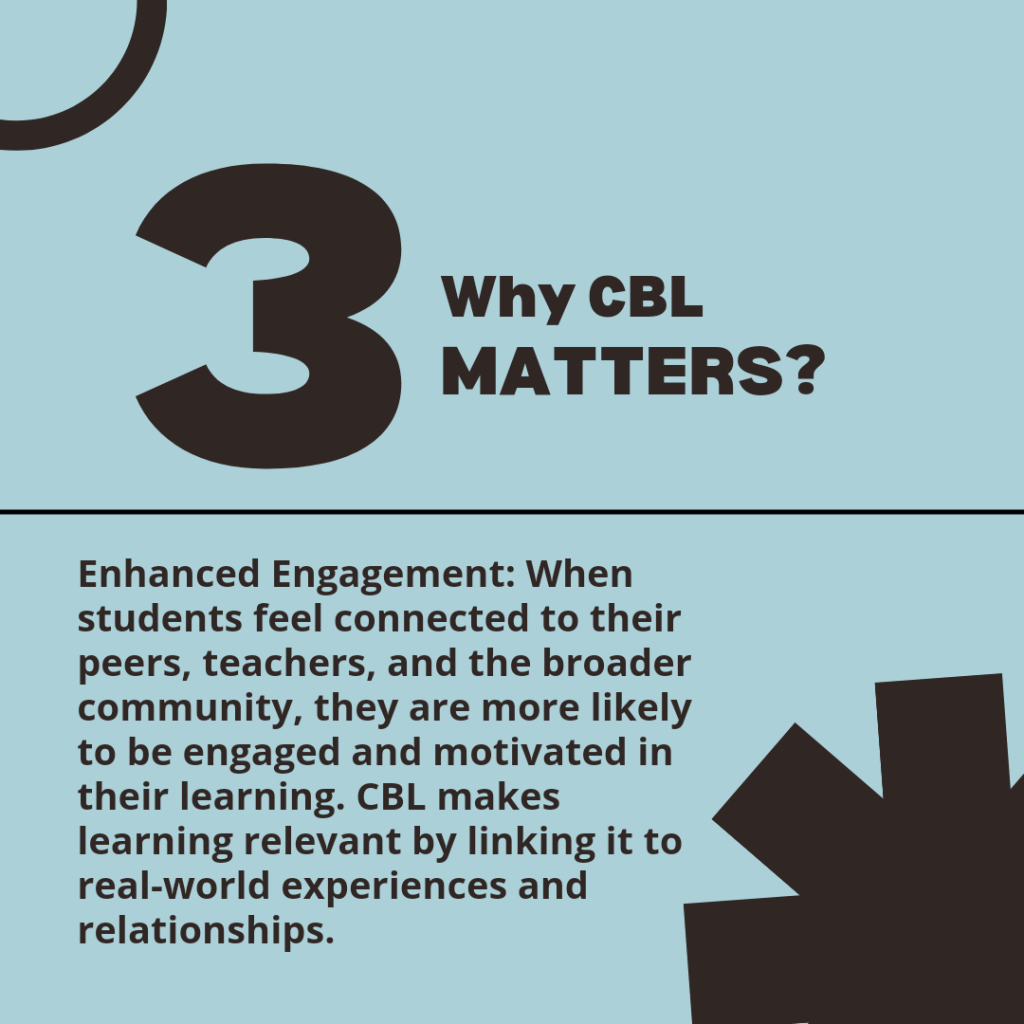
1. Enhanced Engagement: When students feel connected to their peers, teachers, and the broader community, they are more likely to be engaged and motivated in their learning. CBL makes learning relevant by linking it to real-world experiences and relationships.

2. Deeper Understanding: CBL encourages students to explore concepts in depth through collaboration and discussion. By working with others, they can gain new perspectives and insights that deepen their understanding of complex topics.

3. Social-Emotional Learning: Developing strong connections with others helps students build essential social and emotional skills, such as empathy, communication, and conflict resolution. These skills are crucial for success in both school and life.

4. Real-World Applications: CBL prepares students for the challenges of the real world by connecting classroom learning to real-world problems and scenarios. This approach helps students see the relevance of their education and equips them with the skills they need to thrive in a rapidly changing world.

5. Global Citizenship: By connecting students with peers and experts from around the world, CBL fosters a sense of global citizenship. Students learn to appreciate different cultures, perspectives, and ways of thinking, which is essential in our interconnected world.

How to Implement Connection-Based Learning

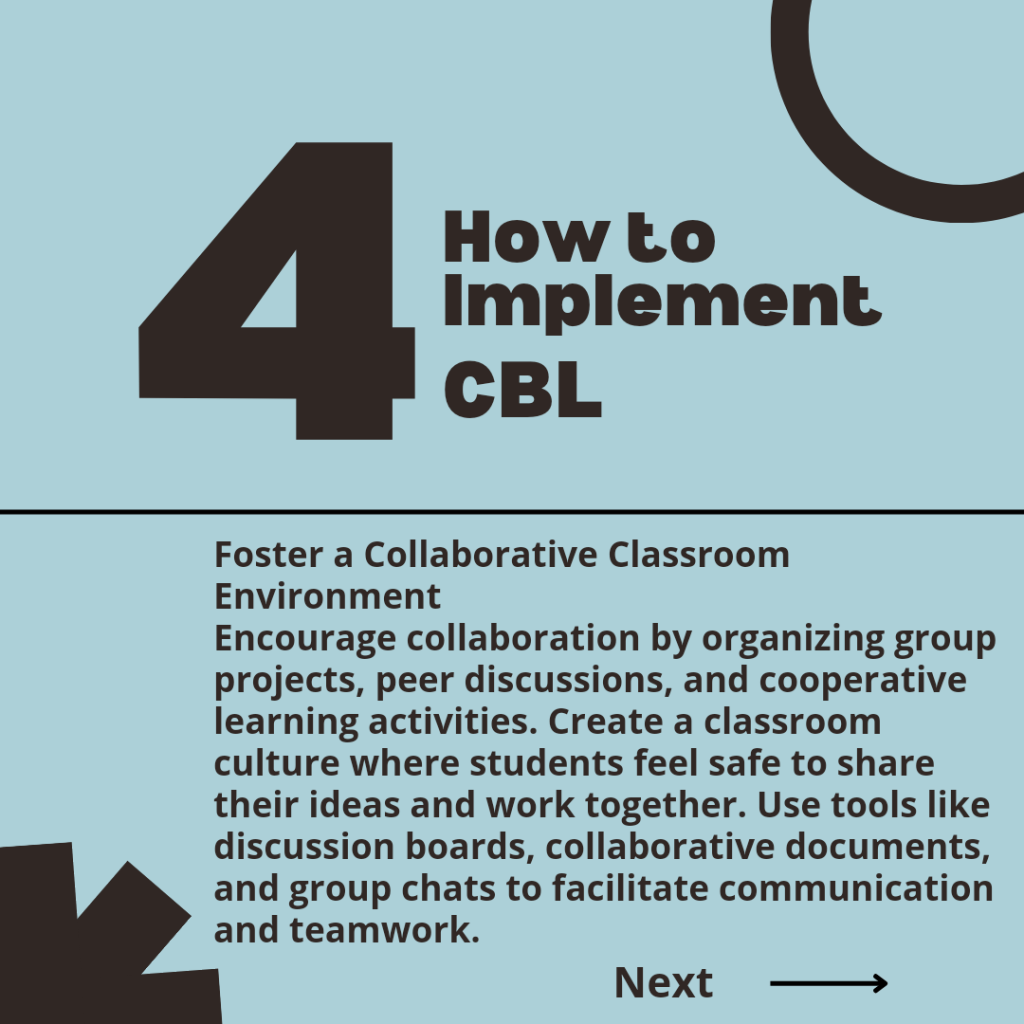
Encourage collaboration by organizing group projects, peer discussions, and cooperative learning activities. Create a classroom culture where students feel safe to share their ideas and work together. Use tools like discussion boards, collaborative documents, and group chats to facilitate communication and teamwork.

2. Build Strong Teacher-Student Relationships

Take time to get to know your students and show genuine interest in their lives. This can be as simple as greeting them at the door, asking about their interests, or offering personalized feedback on their work. When students feel that their teacher cares about them as individuals, they are more likely to be engaged and motivated.

3. Integrate Community-Based Projects

Connect learning to the local community by involving students in service-learning projects, internships, or partnerships with local organizations. These projects can help students see the real-world impact of their education and develop a sense of responsibility and civic engagement.

4. Leverage Technology for Global Connections

Use technology to connect your students with peers, experts, and communities around the world. This could involve virtual exchanges with classrooms in other countries, online collaborations with experts in a particular field, or participation in global challenges and competitions. These experiences can broaden students’ perspectives and help them develop a global mindset.

5. Focus on Real-World Problem Solving

Incorporate project-based learning (PBL) and inquiry-based learning (IBL) into your curriculum, where students work on solving real-world problems or answering complex questions. Encourage them to connect with experts, conduct research, and collaborate with others to find solutions. This approach not only makes learning more relevant but also helps students develop critical thinking and problem-solving skills.

Examples of Connection-Based Learning in Action

To illustrate the power of Connection-Based Learning, here are a few examples of how it can be applied in different educational settings:

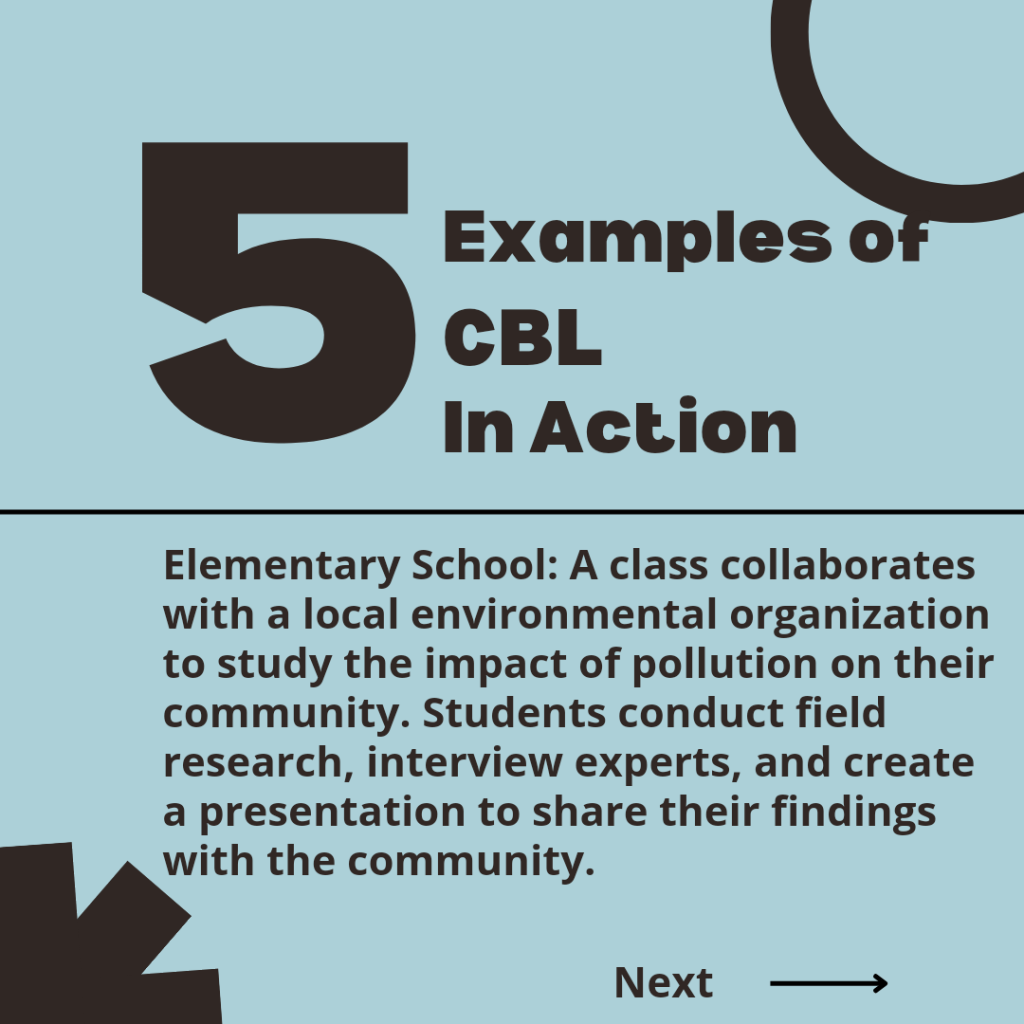
Elementary School: A class collaborates with a local environmental organization to study the impact of pollution on their community. Students conduct field research, interview experts, and create a presentation to share their findings with the community.

Middle School: Students in a history class connect with a classroom in another country to compare how different cultures view historical events. Through virtual exchanges, they share their perspectives and create joint projects that highlight the similarities and differences in their histories.

High School: A science teacher partners with a local hospital to give students the opportunity to work on real-world health challenges. Students conduct research, analyze data, and propose solutions, all while working alongside medical professionals.

University: A professor organizes a service-learning project where students work with a non-profit organization to address a social issue in their community. The students apply what they’ve learned in the classroom to develop and implement a solution, gaining valuable experience and making a positive impact.

Online Platforms for CBL

Skype in the Classroom and Microsoft Flip are powerful tools for Connection-Based Learning, allowing educators to bridge the gap between the classroom and the world beyond.

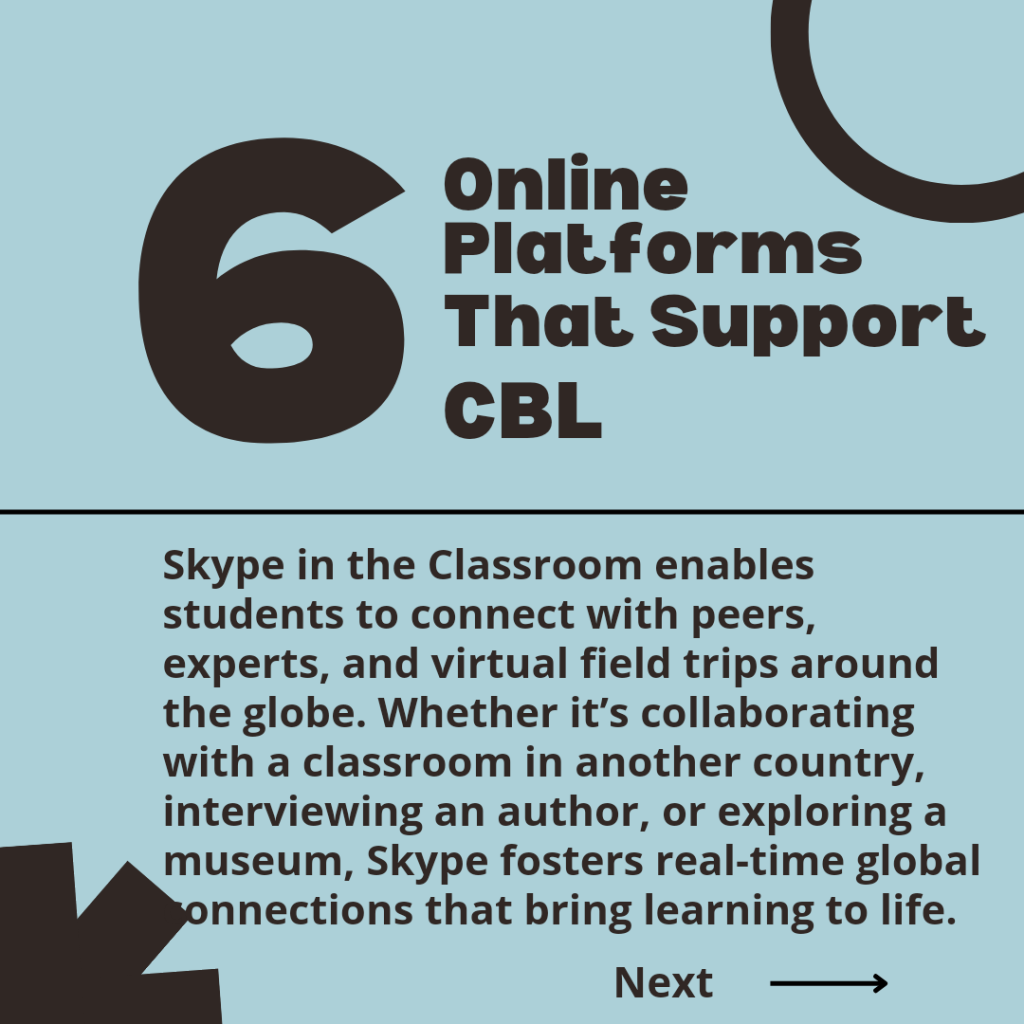
Skype in the Classroom enables students to connect with peers, experts, and virtual field trips around the globe. Whether it’s collaborating with a classroom in another country, interviewing an author, or exploring a museum, Skype fosters real-time global connections that bring learning to life. These interactions help students develop a broader perspective, enhance communication skills, and engage with diverse cultures.

Microsoft Flip (formerly Flipgrid) offers a creative platform for students to share their thoughts, ideas, and projects through video. Teachers can create discussion prompts, and students respond with short videos, encouraging dialogue and reflection. This tool not only supports peer-to-peer learning but also empowers students to express themselves in a way that builds confidence and strengthens their digital communication skills.Together, these tools can transform the learning experience by making it more interactive, collaborative, and connected to the real world, essential aspects of Connection-Based Learning.

Challenges and Considerations

While Connection-Based Learning offers many benefits, it’s important to be aware of the potential challenges. Building meaningful connections takes time and effort, and not all students may be comfortable with collaborative learning. Additionally, technology can be both a facilitator and a barrier, depending on access and familiarity.Educators should be prepared to provide support and guidance to help students navigate these challenges. It’s also important to create a classroom environment where all students feel included and valued, regardless of their background or abilities.

Conclusion

Connection-Based Learning is more than just a teaching strategy—it’s a way of rethinking education for the 21st century. By focusing on relationships, collaboration, and real-world connections, CBL helps students develop the skills and mindsets they need to succeed in an increasingly complex and interconnected world.As educators, our role is to guide and support our students as they navigate these connections, helping them to see the relevance of their education and empowering them to make a positive impact in their communities and beyond. Whether you’re just starting to explore CBL or already incorporating it into your teaching, remember that the key to success is building strong, meaningful connections that inspire and engage your students.

Kindly share, like and comment! Let’s know how you intend to use Connection Based Learning in your classroom.

Have you read the previous posts on Flipped Learning, Game Based Learning and Project Based Learning? Ensure you do that now for an enriched teaching/learning.

At Topflighters Academy, we offer high quality trainings on 21st Century Methodologies for Schools and Teachers.

Contact us today: topflighters01@gmail.com or call +2348186504445

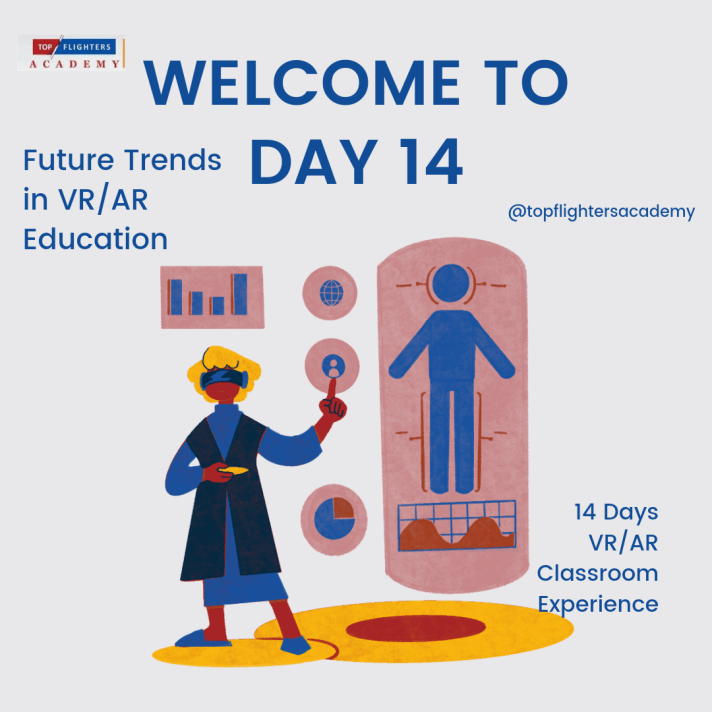
DAY #14 VR/AR CLASSROOM EXPERIENCE

SUBJECT: Future Trends in VR/AR Education

Welcome to Day #14 (the last day for this episode)! I believe that your journey to “VR-ing” has been a fantastic one! Let’s dive in to what we have for today: Future Trends in VR/AR Education.

It is no longer news to you that Virtual Reality (VR) and Augmented Reality (AR) are two technologies that have the potential to revolutionize education by providing immersive, interactive, and engaging experiences for students. VR is a technology that creates a simulated environment that the user can explore and interact with, while AR is a technology that overlays digital information or objects onto the real world. Both technologies can be used to create simulations, games, and other interactive content that can help students learn complex concepts in a more intuitive and engaging way.

Current Applications of VR/AR in Education

VR/AR technologies have already been applied in various educational settings and domains, such as:

STEM education: VR/AR can be used to create simulations and visualizations of scientific phenomena, such as the solar system, the human body, or chemical reactions. These simulations can help students understand abstract concepts and principles in a more concrete and experiential way. For example, the Google Expeditions app allows teachers and students to explore virtual field trips to various places and topics, such as the Great Barrier Reef, the International Space Station, or the Ancient Rome.

Language learning: VR/AR can be used to create immersive and authentic scenarios for language learning, such as conversing with native speakers, visiting foreign countries, or experiencing different cultures. These scenarios can help students practice their language skills and enhance their cultural awareness. For example, the Mondly app uses VR and speech recognition to create realistic conversations with virtual characters in different languages and situations.

History and arts education: VR/AR can be used to create virtual museums and galleries that showcase historical artifacts, artworks, and cultural heritage. These virtual museums and galleries can help students appreciate and learn about the history and arts of different civilizations and periods. For example, the Google Arts & Culture app allows users to explore thousands of artworks and cultural sites from around the world in VR and AR.

Special education: VR/AR can be used to create adaptive and personalized learning environments for students with special needs, such as autism, dyslexia, or visual impairment. These learning environments can help students overcome their learning challenges and enhance their cognitive and social skills. For example, the Brain Power app uses AR and artificial intelligence to help children with autism learn social and emotional skills through gamified interactions with virtual characters.

## Future Trends and Implications of VR/AR in Education

As VR/AR technologies become more advanced, accessible, and affordable, they are expected to have a greater impact on education in the future. Some of the possible trends and implications are:

More immersive and realistic experiences: VR/AR technologies will continue to improve in terms of graphics, sound, haptics, and interactivity, creating more immersive and realistic experiences for users. These experiences will enable students to learn by doing, rather than by reading or listening, and to feel more emotionally connected to the content and the context. For example, students could experience the effects of climate change, the horrors of war, or the joys of art in a more visceral and empathetic way.

More collaborative and social learning: VR/AR technologies will enable more collaborative and social learning among students and teachers, both locally and globally. Students and teachers will be able to communicate, cooperate, and co-create in virtual and augmented spaces, regardless of their physical location or time zone. These spaces will also allow students and teachers to interact with experts, mentors, and peers from different backgrounds and disciplines, expanding their perspectives and networks. For example, students could work on a group project with students from another country, or receive feedback from a renowned scientist or artist.

More personalized and adaptive learning: VR/AR technologies will enable more personalized and adaptive learning for students, based on their preferences, abilities, and progress. Students will be able to choose their own learning goals, paths, and pace, and receive immediate and tailored feedback and guidance from the system or the teacher. The system will also be able to monitor and analyze the students’ performance, behavior, and emotions, and adjust the content and the difficulty accordingly. For example, students could learn at their own level and speed, or receive extra support or challenge when needed.

More creative and innovative learning: VR/AR technologies will enable more creative and innovative learning for students, by providing them with tools and platforms to express their ideas, imagination, and talents. Students will be able to create their own VR/AR content, such as games, stories, or artworks, and share them with others. They will also be able to explore and experiment with different possibilities and scenarios, and discover new insights and solutions. For example, students could design their own virtual worlds, or solve real-world problems using VR/AR.

Conclusion

VR/AR technologies have the potential to transform the way we teach and learn by providing immersive, interactive, and engaging experiences for students. These technologies can be used to create simulations, games, and other interactive content that can help students learn complex concepts in a more intuitive and engaging way. The future of VR/AR in education will likely involve more immersive and realistic experiences, more collaborative and social learning, more personalized and adaptive learning, and more creative and innovative learning. However, there are also some challenges and limitations that need to be addressed, such as the cost, accessibility, quality, and ethics of VR/AR technologies and content. Therefore, it is important to balance the benefits and risks of VR/AR in education, and to ensure that these technologies are used in a responsible and effective way.

I hope you found today’s blog post educating and helpful! If you have any questions, comments, or feedback, please feel free to leave them below. And if you have tried any of the above tools or methods, please share your experiences and otcomes with us. kindly subscribe to my newsletter and blog in order to hva firsthand notification when trends in education are posted.

Thank you for reading and happy VR-ing!

Teacher Funke Akpan

Technology Integration Expert

Founder, Topflighters Academy
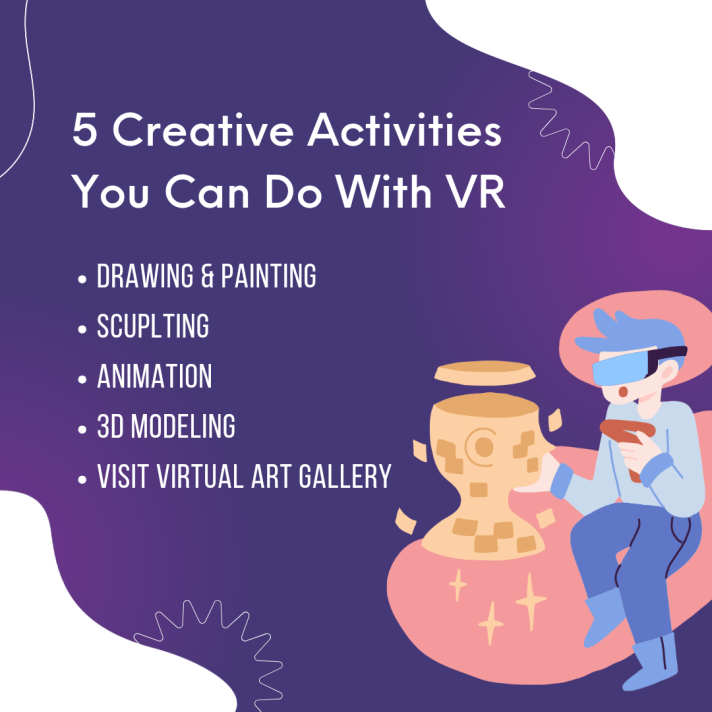
DAY #12 VR/AR CLASSROOM EXPERIENCE

Day 12: Evaluating VR/AR Learning Outcomes

Dear educators, welcome to Day 12 of our immersive journey into the world of Virtual Reality (VR) and Augmented Reality (AR) in education. Today, we stand at the intersection of innovation and assessment, exploring the crucial realm of evaluating student learning within the dynamic landscapes of VR and AR.

As we’ve navigated through the diverse applications of VR/AR across subjects, one fundamental question emerges: How do we measure the impact and effectiveness of these immersive experiences on our students? Day 12 is dedicated to unraveling the intricacies of assessing student learning and progress in the immersive realms of VR/AR.

THE EFFECTIVENESS OF VR/AR IN ACHIEVING LEARNING OUTCOMES

The effectiveness of VR/AR in achieving learning outcome depends on various factors, such as the design, implementation, and evaluation of the VR/AR applications, the nature of the learning content and objectives, and the individual differences and preferences of the learners. According to some of the web search results, VR/AR can have positive impacts on learning outcomes by:

Creating immersive and interactive environments that enhance engagement, motivation, retention, and problem-solving skills

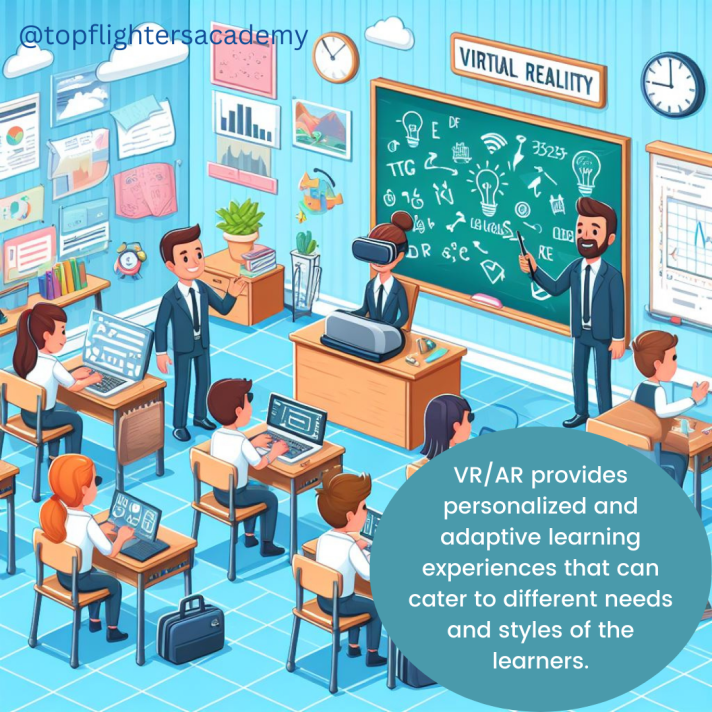
Providing personalized and adaptive learning experiences that cater to different needs and styles of the learners.

Facilitating collaborative learning by connecting students across locations and fostering communication and exposure toiverse perspectives.

Offering realistic scenarios and simulations that are difficult or impossible to replicate in the physical world.

However, VR/AR also have some limitations and drawbacks, such as:

The cost, accessibility, and technical issues of the VR/AR devices and software.

The ethical and social concerns of using VR/AR, such as privacy, security, and digital divide.

The potential negative effects of VR/AR on the physical and mental health of the users, such as motion sickness, eye strain, and addiction.

Therefore, the effectiveness of VR/AR in achieving learning outcome is not a simple or straightforward question, but rather a complex and multifaceted one that requires further research and exploration.

METHODS OF ASSESSING LEARNING OTCOMES IN VR/AR

There are different methods and frameworks for assessing students learning and progress in VR/AR environment. Some of the common ones are:

Game-based assessment framework (GBAF): This is a method that uses game elements and tasks to measure and evaluate learning outcomes in immersive technologies. It is based on the principles of Constructive Alignment and the Evidence-Centred Design (ECD) framework. It describes the steps and components that must be aligned for the design of assessments in VR/AR.

Evidence-centered design (ECD): This is a framework that guides the development of assessments that are aligned with the learning objectives, the learning environment, and the evidence of learning. It consists of five layers: domain analysis, domain modeling, conceptual assessment framework, assessment implementation, and assessment delivery.

Immersive assessment data: This is a type of data that captures the actions, behaviors, and interactions of the learners in the VR/AR environment. It can provide rich and comprehensive information about the learners’ performance, engagement, and experience. It can be analyzed and reported using various methods, such as analytics, dashboards, and feedback.

There are many tools and platforms for creating VR/AR assessments, depending on your needs, skills, and budget. Some of the popular ones are:

Adobe Aero: This is a software that allows you to create AR experiences using assets designed in other apps, such as Photoshop or Illustrator. You can also use pre-made assets from Adobe Stock or import 3D models from other sources. You can design and preview your AR projects on your mobile device, and share them with others via links or QR codes. Adobe Aero is free to use, but you need an Adobe account and a compatible device .

Tvori: This is a software that enables you to create VR animations and interactive stories using a VR headset and controllers. You can use a variety of tools and objects to build your scenes, add sounds and effects, and record your actions and voice. You can also import 3D models and images from other sources, and export your projects to various formats. Tvori is available for Windows and supports Oculus Rift, HTC Vive, and Valve Index headsets. It costs $19.99 per month or $199.99 per year.

CoSpacesEdu: It is adaptable to any age or subject, CoSpaces Edu lets kids build their own 3D creations, animate them with code and explore them in magical ways, including Virtual and Augmented Reality.

Working with CoSpaces Edu develops digital literacy and 21st Century learning skills such as collaboration and coding, which prepare kids for their future while empowering them to become creators.

Masterpiece Studio Pro: This is a software that helps you create 3D models and animations for VR/AR applications. You can use a VR headset and controllers to sculpt, paint, rig, and pose your models, or use a desktop interface to refine your work. You can also use AI-powered tools to generate realistic characters, animals, and environments. You can export your models to various formats and platforms, such as Unity, Unreal Engine, Sketchfab, and more. Masterpiece Studio Pro is available for Windows and supports Oculus Rift, HTC Vive, and Valve Index headsets. It costs $29.99 per month or $299.99 per year.

Vuforia Engine: This is a software that allows you to develop AR applications for various devices and platforms, such as iOS, Android, Windows, and web browsers. You can use features such as image recognition, object tracking, spatial mapping, and occlusion to create immersive and interactive AR experiences. You can also use tools such as Unity, Unreal Engine, or Visual Studio to integrate Vuforia Engine into your projects. Vuforia Engine is free for personal use, but you need to pay for commercial licenses and cloud services.

Unity 3D: This is a software that enables you to create VR/AR games and applications for various devices and platforms, such as Oculus, SteamVR, Windows Mixed Reality, iOS, Android, and web browsers. You can use a powerful editor and scripting system to design and program your projects, or use assets and templates from the Unity Asset Store or other sources. You can also use plugins and extensions to add features and functionalities, such as Vuforia Engine, Google VR SDK, AR Foundation, and more. Unity 3D is free for personal use, but you need to pay for professional licenses and services.

I hope you found today’s blog post educating and helpful! If you have any questions, comments, or feedback, please feel free to leave them below. And if you have tried any of the above tools or methods, please share your experiences and outcomes with us.

Thank you for reading and happy VR-ing!

Teacher Funke Akpan

Technology Integration Expert

DAY #11 VR/AR CLASSROOM EXPERIENCE

SUBJECT: How to Use VR to Enhance Learning and Engagement in Your Classroom

Dear educators,

Have you ever wondered what it would be like to explore the human brain, visit ancient civilizations, or travel to outer space? With virtual reality (VR), you can do all that and more in your classroom. VR is a technology that creates immersive and interactive 3D environments that simulate real or imagined scenarios. VR can offer a variety of benefits for learning and teaching, such as increasing motivation, engagement, retention, and creativity. However, VR can also pose some challenges, such as technical issues, cost, accessibility, and ethical implications. In today’s post, I will show you how to use VR in your classroom in a feasible and effective way. You will learn about some of the best tools and resources for creating and experiencing VR, as well as some tips and best practices for integrating VR into your curriculum and pedagogy.

One of the easiest and cheapest ways to create your own VR experiences is to use a smartphone and an app called Panorama 360. This app allows you to capture 360-degree photos and videos of your surroundings, which you can then view in VR mode using a cardboard headset or a smartphone based headset (as discussed in one of the previous episodes). You can also upload your panoramas to the app’s gallery, where you can explore other users’ VR creations from around the world. To use Panorama 360 in your classroom, you can follow these steps:

– Download the app from the Google Play Store or the App Store and install it on your smartphone.

– Launch the app and tap on the camera icon to start capturing your panorama. You can choose between photo or video mode, and adjust the settings according to your preference.

– Hold your smartphone horizontally and move it slowly in a circular motion to capture your surroundings. The app will guide you with a blue dot and a green circle to help you align your shots. You can also pause and resume your capture at any time.

– When you are done, tap on the check mark to save your panorama. You can then preview it, edit it, or share it with others. You can also add a title, a description, and a location to your panorama.

– To view your panorama in VR mode, tap on the VR icon and insert your smartphone into a cardboard headset. You can then look around and enjoy your VR experience.

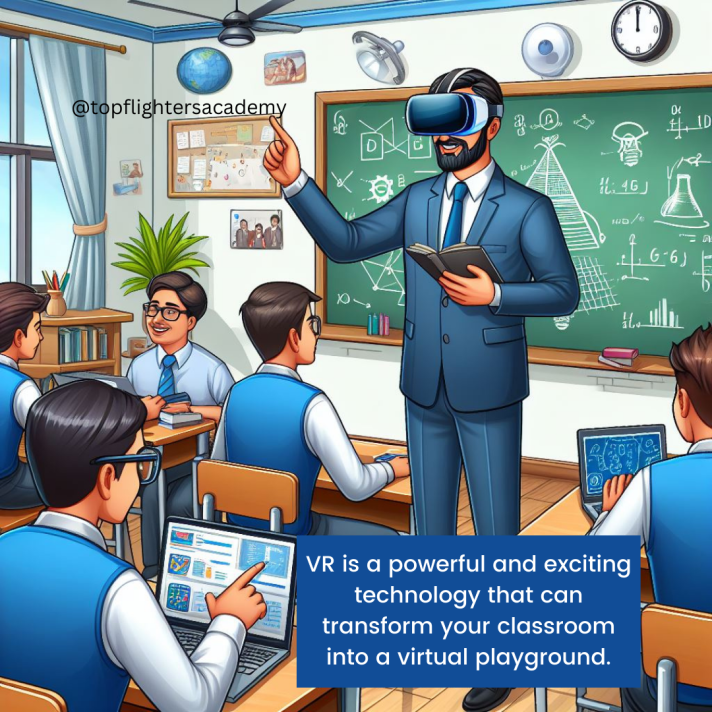
VR is a powerful and exciting technology that can transform your classroom into a virtual playground. By using VR, you can provide your students with immersive and engaging learning experiences that can enhance their understanding and enjoyment of various topics and subjects. However, VR also requires careful planning and preparation to ensure its feasibility and effectiveness. In this blog post, I have shared with you some of the best tools and resources for creating and experiencing VR, as well as some tips and best practices for integrating VR into your curriculum and pedagogy. I hope you have found this blog post helpful and informative. If you have any questions, comments, or feedback, please feel free to leave them below. And if you have tried VR in your classroom, please share your experiences and outcomes with us. Thank you for reading and happy VR-ing! 😊

To your best interest,

Funke Akpan

Technology Integration Expert

Founder, Topflighters Academy
Social and Emotional Learning in the Classroom

The month of May is #MentalAawrenessDay.

Enjoy this Article on the Benefits of SEL in the Classroom.

What is Social and Emotional Learning?

We live in a time where the increase in crime rate, depression, suicide and suicidal thoughts, bullying, and theft are common among young people. The advent of technology especially after the new normal (COVID-19) brought an increase in crime rates among young ones based on the fact there is economic change; some of their parents lost their jobs which reduce their standard of living, and the introduction of mobile phones without adequate parental control and the less presence/ supervision of an adult in the community.

Social and Emotional Learning is the process through which young people learn and acquire the skills need to succeed academically and in life. SEL helps young people to recognize their emotions, thoughts and feelings and how it relates to other people and the community at large.

source: 321insight

SEL “is the process through which children, youth, and adults acquire and effectively apply the knowledge, attitudes, and skills necessary to understand and manage emotions, set and achieve positive goals, feel and show empathy for others, establish and maintain positive relationships, and make responsible decisions” (Collaborative for Academic, Social, and Emotional Learning, 2015, para. 1).

 Social and emotional skills are critical to being a good student, citizen, and worker. Workforce demands aside, many call for the 21st-century classroom to be student-centred and to support individual learning needs. Moreover, students’ ability to learn well depends not just on instruction, but also on factors such as the school climate, a sense of belonging with peers, positive relationships with educators, and the feedback they receive.

CASEL FIVE (5) SEL COMPETENCIES

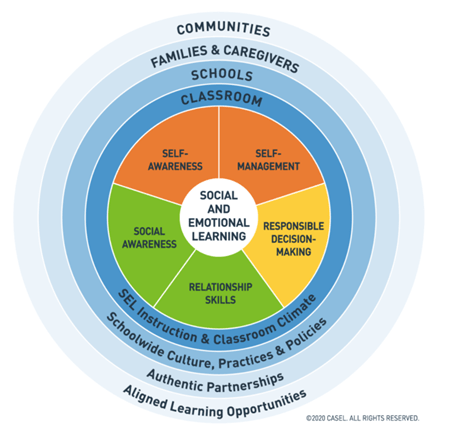
According to the Collaborative for Academic, Social, and Emotional Learning (CASEL), there are five competencies or skills that a child or students need to master to achieve equity and excellence in life.

SOURCE: CASEL, 2020

FIVE CORE SOCIAL-EMOTIONAL COMPETENCIES

  1. SELF-AWARENESS: This competency involves the recognition and understanding of one’s emotions, thoughts, feelings, goals and values. Self-awareness skills help children to identify their emotions, thoughts and feelings and how they can impact others. It is believed that any individual who doesn’t see the good in himself or herself cannot appreciate the worth of another person. When a child learns to value him or herself and recognizes his or her feelings or emotions, that way the child will be able to relate to the environment. Self-awareness practice involves the identification of one’s emotions, the right way to expose their emotions and the ability to control their body parts relating to how one is feeling.

                    Self-Awareness is the foundation for the development of more advanced SEL Skills ( Self-Management, Social-Awareness, Relationship Skills, Responsible Decision-Making) that help children to succeed in school and life. 

(Jones et al., 2016)

Practical Tips to Improve Student Self-Awareness

Be an active listener

https://www.kindpng.com/imgv/hhxxiim_hearing-clipart-active-listening-clipart-listening-ear-hd/

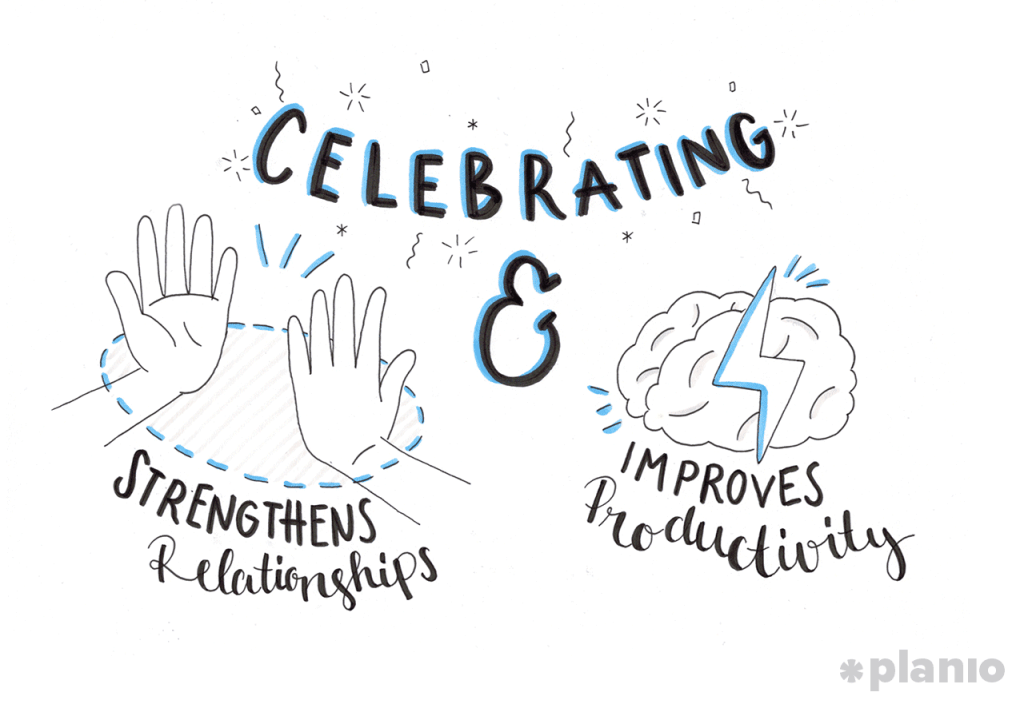
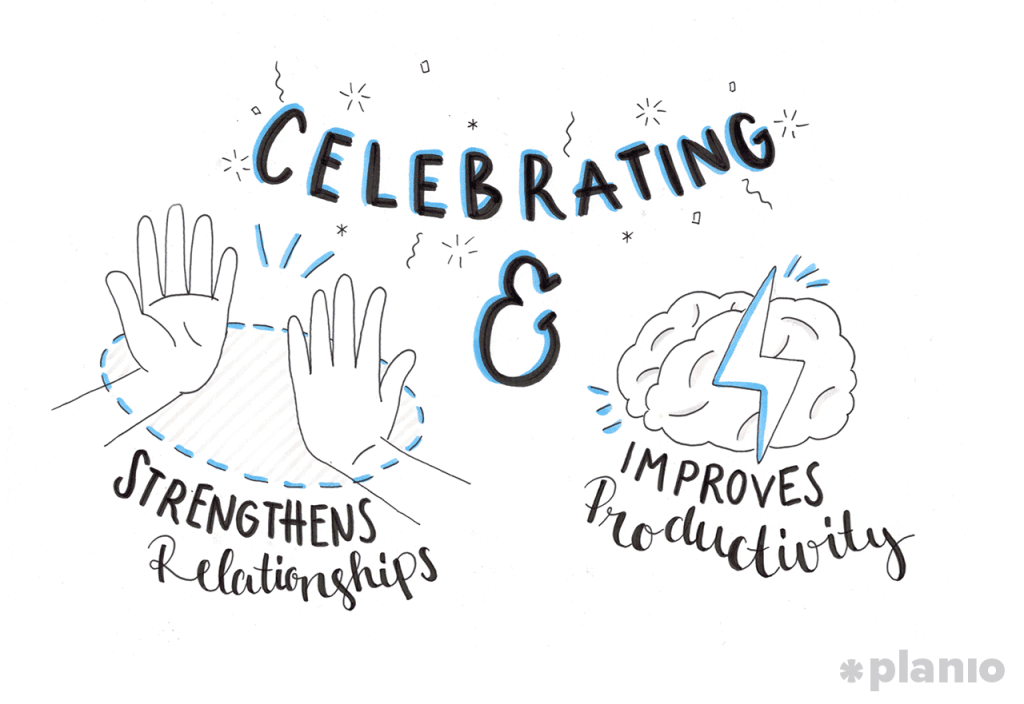
Celebrate exceptional improvement in behaviours

source: planio blog

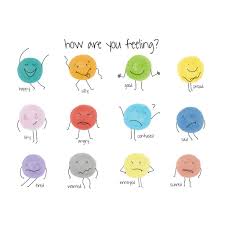
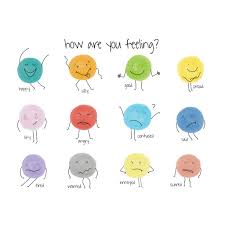
Teach the different emotions and how to express themselves.

source: 321insight

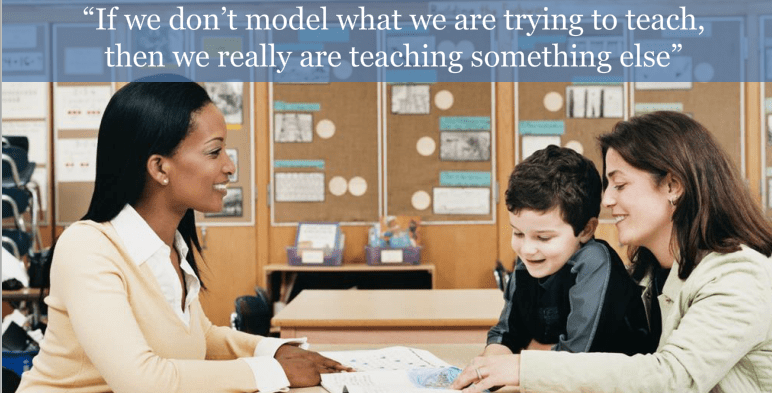
Model the right attitude to them.

source: eatteachblog.com

‘If we want students to be kind, we need to be kind adults. If we want students to be cooperative, we need to be cooperative adults. If we expect students to be responsible, we need to be responsible adults.

 MODEL. MODEL. MODEL.

LISA ROMANO, TEACHER

B. SELF-MANAGEMENT: Self-management is the ability to manage and control’ one’s thoughts, emotions and feelings effectively and in different situations. 

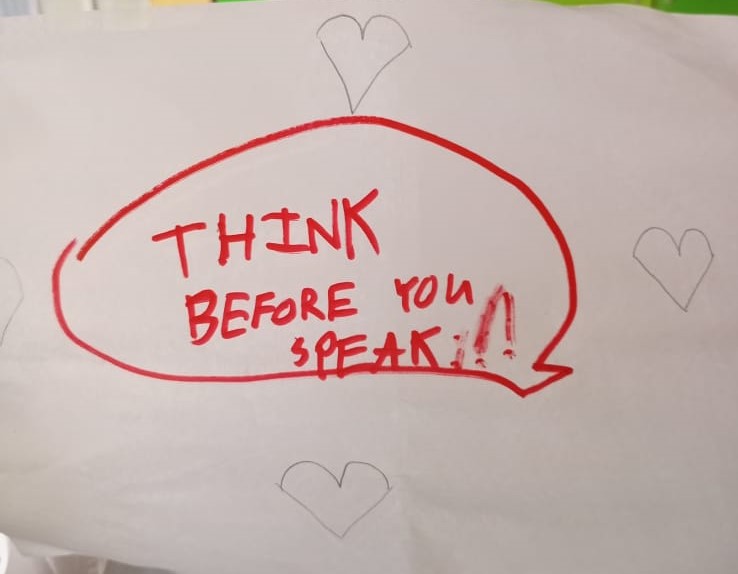
Self-Management skill helps students to be conscious of their emotions, how to express them and think before they speak or act.

A child who listens and obeys class rules or thinks about the consequences of an action before acting practices self-management skills.

Self-Management skills help students to stay clear of the consequence of not following rules and directions. It also facilitates good relationships with others.  It also builds a child’s self-esteem, and confidence and supports connection with others.

Self-Management also helps students to decipher appropriate and inappropriate behaviours and helps them stay focused on personal goals or class activities.

@teacherfunke

  1. Social-Awareness: Social-Awareness is the ability to recognize and identify other people’s emotions, perspectives, and practice empathy and compassion when relating with them.

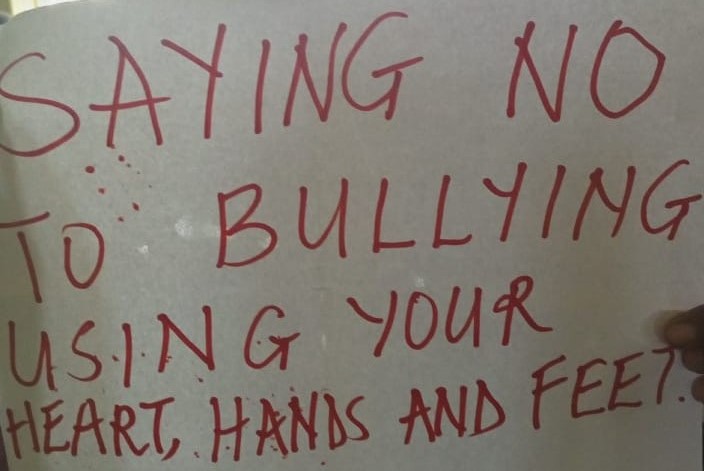
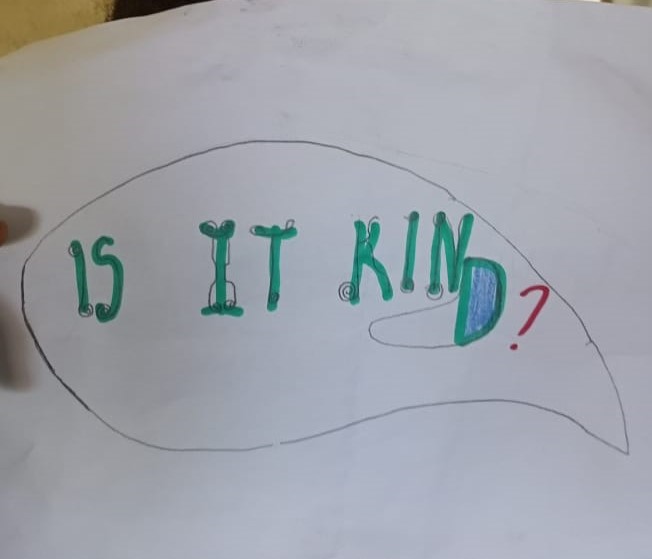
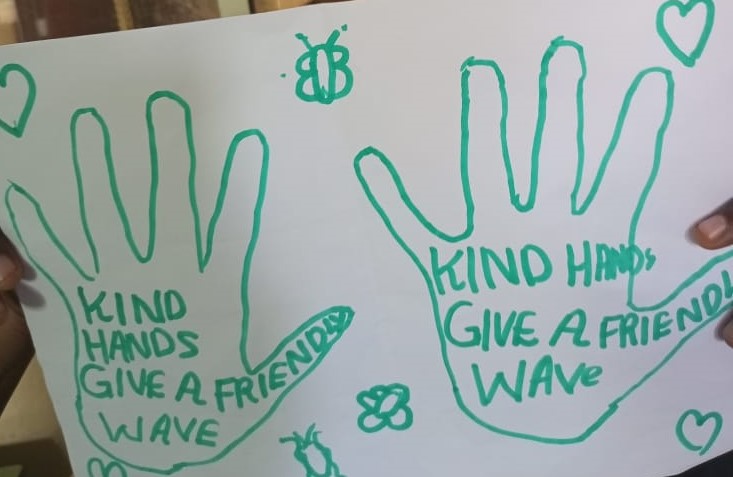
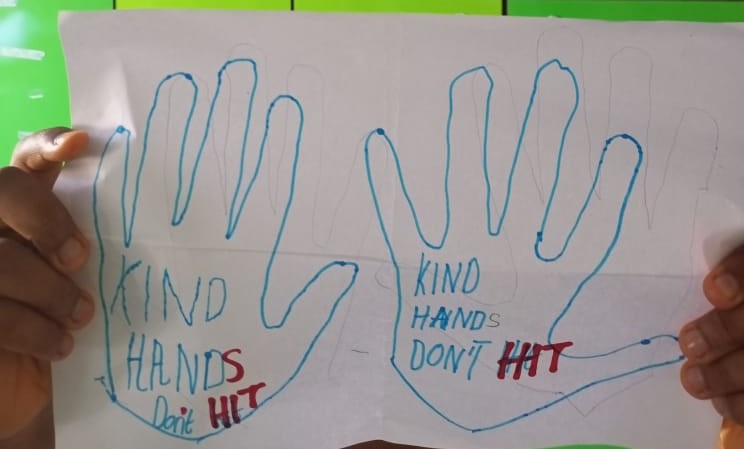
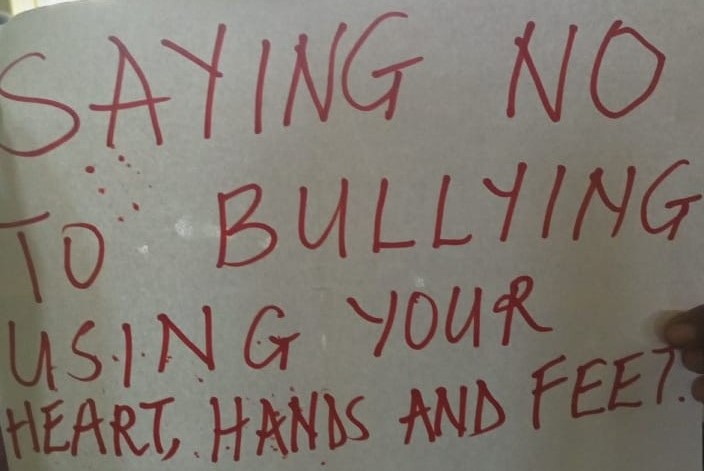
Empathy means walking in another person’s shoes. Students and adults need the skills, it’s essential at home, school and at the workplace. Sometimes, as a teacher, all that the students with learning behaviours need is to be shown empathy, kindness and compassion. I practice kindness and empathy in the classroom and I discover that the kids love it and helped to make the classroom environment more conducive because everyone is pursuing the same goal; kindness and empathy. This way, no one wants to bully others to not be caught in the trap of wickedness and meanness, hence, not receiving a prize from me. If every student in a class is kind and compassionate to each other, students with low self-esteem will be helped and motivated to learn and bullies will have a  change of attitude and mindset.

@teacherfunke

@teacherfunke

Relationship Skills: Relationship skills are the ability to make and maintain healthy and supportive relationships. Relationship skills help students to make friends and maintain positive relationships, communicate effectively with others, engage in teamwork and collaborative problem-solving, resist negative social pressure, seek and/or offer support when needed, cooperate and play well with others, resolve conflicts or solve problems with others peacefully and effectively.

Tips to Promote Relationship Skills in the Classroom

Encourage sharing and helping others.

Give students a shoutout when you see them doing this

Provide opportunities for students to engage with all classmates:

Suggestion: Have students switch who they are sitting next to

in-class or switch partners for group work to encourage

meeting and connecting with other classmates.

Discuss the importance of being kind to others and “treat others the way you want to be treated.”

Make time for connection

A daily check-in with students

Create a fun weekly class routine that promotes connection and relationship building with students.

Ex: Have Fun Fridays: Play team-building games, and have students give special shoutouts to classmates for the kindness they’ve shown this week.

Links to Helpful Relationship Skills Resources for Teachers:

Relationship Skills Video with Characters (For Students): Relationship Skills With The Character Effect™ Characters

The Social-Emotional Teacher: Relationship Skills in the Classroom

(Activities and Ideas):

https://www.thesocialemotionalteacher.com/relationship-skills-in-theclassroom/

Meet New Friends Bingo Game:

https://www.scholastic.com/parents/books-and-reading/raise-a-readerblog/meet-new-friends-bingo-game.html

Resources: © 2022 EmOTions from the Inside Out, (CASEL, 2019; Jones & Bouffard, 2012

  • Responsible Decision-Making Skills: Responsible Decision-Making Skills is the knowledge on the ability to gain knowledge, skills and attitudes on how to make constructive decisions and choices. Responsible decision making is a skill that is essential for learners to make the right choices and the ability to think before they speak and to ask the right question when confronted.  This skill helps to build 21st Century life skills such as communication skills, collaboration, critical-thinking skills and problem-solving skills.

Research has shown that students who are able to effectively use Decision-Making Skills have better skills have better academic and behavioural outcomes. (Durlak et.al, 2011; Zhang et al., 2016)

BENEFITS OF SEL IN THE CLASSROOM

  • Improved Grade Performance.
  • Reduction of Negative Behaviour
  • Cooperation with a team/classmates.
  • Increased self-esteem.
  • Minimal emotional stress e.t.c.

HIGHLIGHTS: SHARING EMPATHY AND KINDNESS IN A PANDEMIC

HIGHLIGHTS OF THE JUST CONCLUDED 3 DAYS VIRTUAL EVENT FROM TOPFLIGHTERS DIGITAL LITERACY CLUB

THEME: SHARING KINDNESS AND EMPATHY IN A PANDEMIC

BRIEF HISTORY

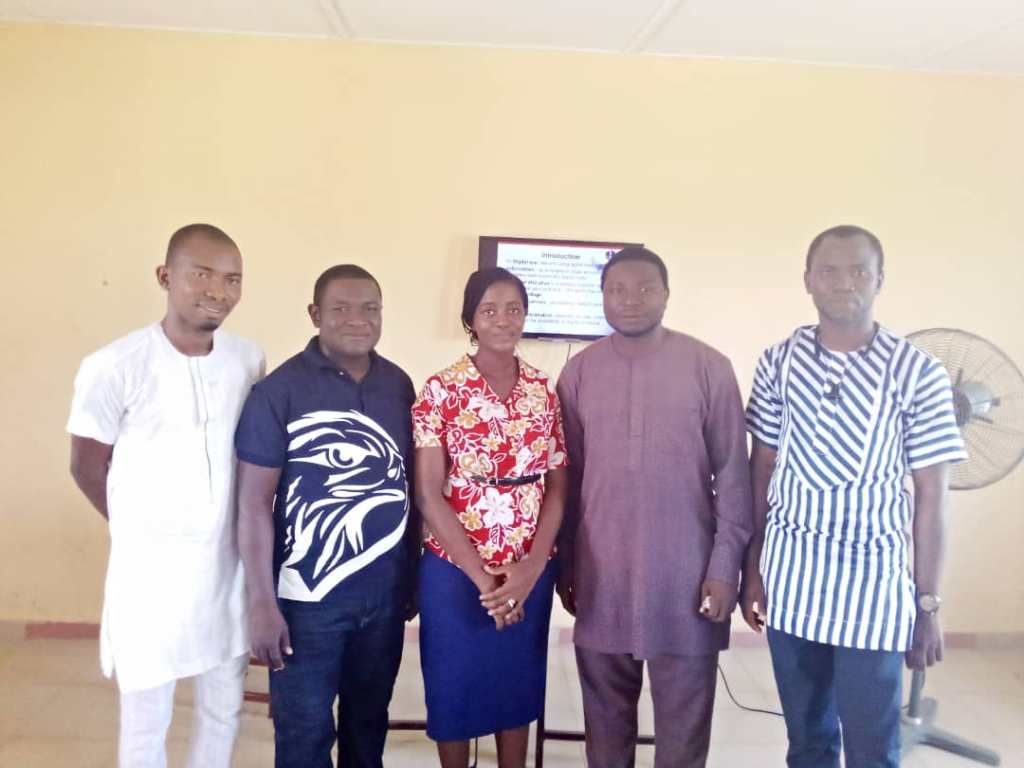
Topflighters Digital Literacy Club was officially launched on Friday 21st November, 2019 at a prestigious school in Lagos, Nigeria. The event was graced with over 100 pupils and students from grade 4-grade12. We had in attendance, two digital citizenship trainers, an I.C.T teacher, myself and other colleagues of mine.

From left to right; Mr Adeniyi Yusuf(ICT Educator), Mr Ogbonnaya Nwani (Principal, Great Omega Int’l Sch.), Akpan Funke (Visioner, Topflighters Digital Literacy Club), Mr Adeleke Femi (Digital Citizens Trainer), Mr Lijoka Emmanuel (Digital Citizens Trainer)
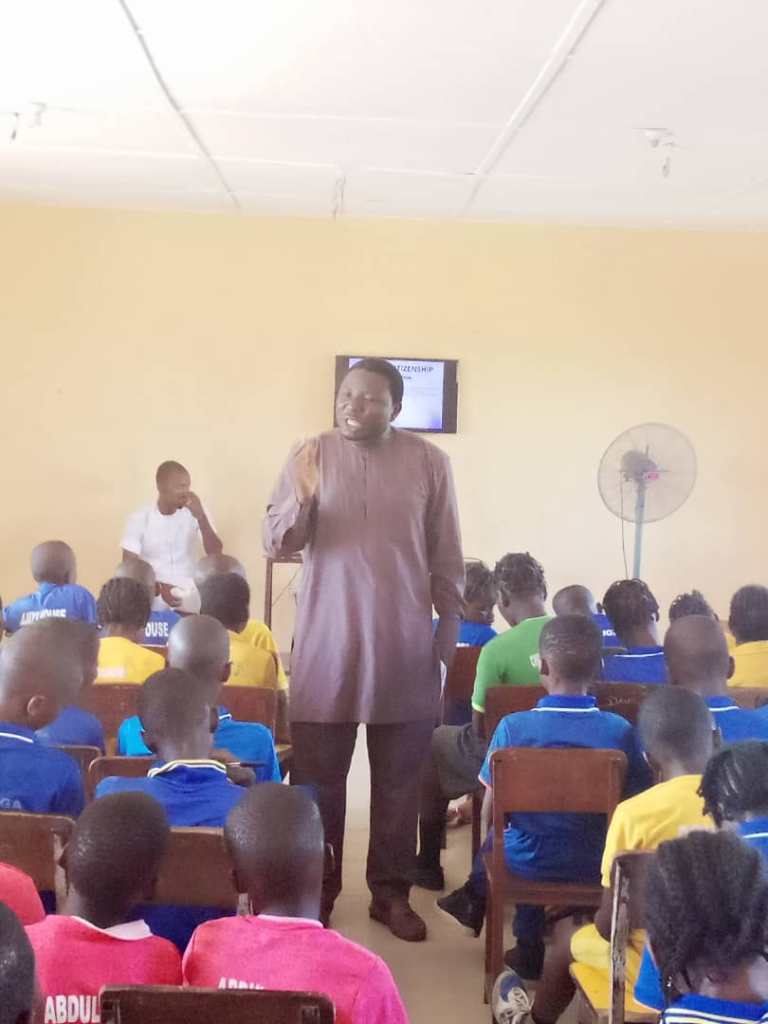
Mr Adeleke’s teaching on Digital Cititzenship
November 1st, 2019 at Great Omega International Schools

Prior to this time, the convener Akpan Funke introduced her pupils to becoming digital and global citizens. Her class joined the 2019 #digcitsummit. http://bit.ly/Mydigcitstory

They have also had collaborations with learners from different parts of the world via @SkypeintheClassroom and on Empatico Platform where they share classroom ideas, learn new ways to be kind and also how to spark empathy in their world with another classroom in Israel. Her class also worked on the global goals @SDG4- Quality Education. http://bit.ly/AkpanFunkeSDG

Akpan Funke, in her quest to raise global and digital citizens as well as ‘WORLD CHANGE AGENTS’ started the Topflighters Digital Literacy Club.

She believes in the power of technology and its utilisation in the right way and manner to foster life skills in children.

Empathy, she believes is the driving force to become change agents in the world today and it is crucial to understanding how people talk and behave online.

Hence, the theme for August 2020 edition: ‘Sharing Empathy and Kindness in the Pandemic’

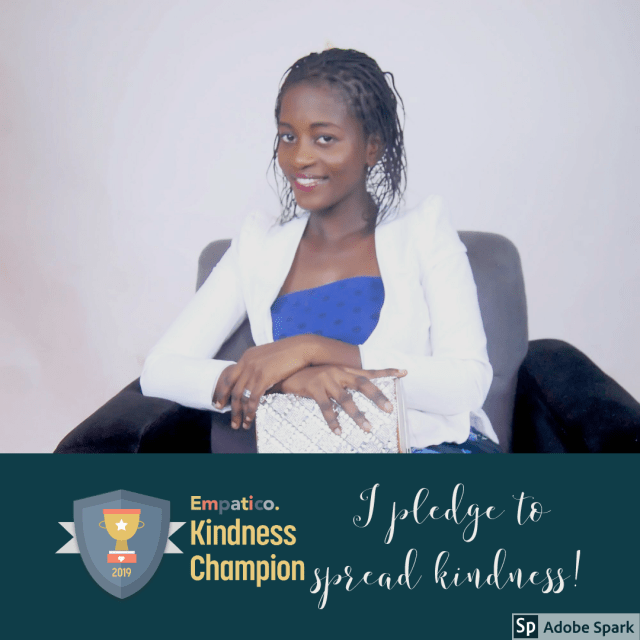
Akpan Funke being a Kindness Champion Fellow with Empatico decided to stage this event in collaboration with Empatico and some Empatico Educators. (read more about Empatico here https://empatico.org/ )

The event lasted for three days: Monday 10th -Wednesday 12th August, 2020.

Below are the topics discussed during the event as essentials needed to share kindness and empathy in the pandemic:

The Zones of Regulation (best zone for learning) presented by Susan Weitzman-Trifman

Living Your Dreams Despite Barriers presented by Bukola Amao-Taiwo

Media Literacy presented by Lijoka Emmanuel

Digital Law presented by Femi Adeleke

The true meaning of Empathy presented by Akpan Funke

Critical Thinking Skills presented by Ishan Gupta

Telling Your Story as a Change Agent presented by Fehintola Emmanuel

(You will agree with me that knowledge about the above skills are required to share kindness and empathy in a pandemic.)

You can get an overview of the event here:http://bit.ly/digcitclub

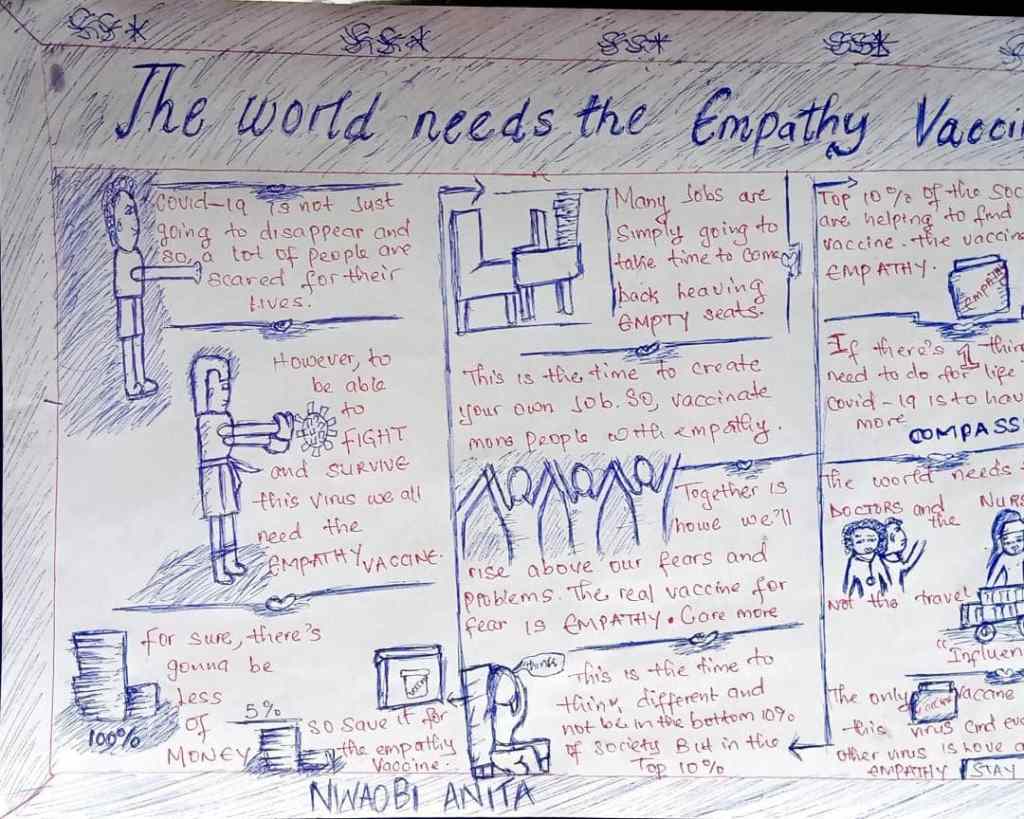
One of the sections was on telling your story as a change agent, prior to the commencement of the event, participants were asked to express themselves in diverse ways they have been showing kindness and empathy during this COVID-19 pandemic and what kindness and empathy means to them. They were also asked to submit articles, pictures or videos on their creative activities during the pandemic, so that their voices can still be heard despite the global pandemic.

All work was submitted and collated into a “Kindness in a Pandemic Magazine”, titled: PANDEZINE. (Kindly visit https://bit.ly/PandeZine to read more about the publication)

Here is a glimpse from Pandezine.

During the event, we had games, talks, dance, music renditions e.t.c

The kids had fun and were filled with so much joy and happiness were some were prompted to start utilizing their dreams and potentials.

One of our partners gave out certificates to some of the participants who participated in the Critical Thinking Skills Activity. We also issued a Cerificate of Participation to each participants.

The event was indeed an impactful and memorable one!

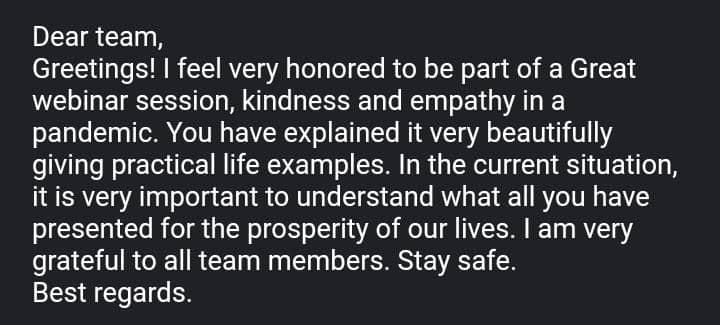
Feedback from one of the participants.
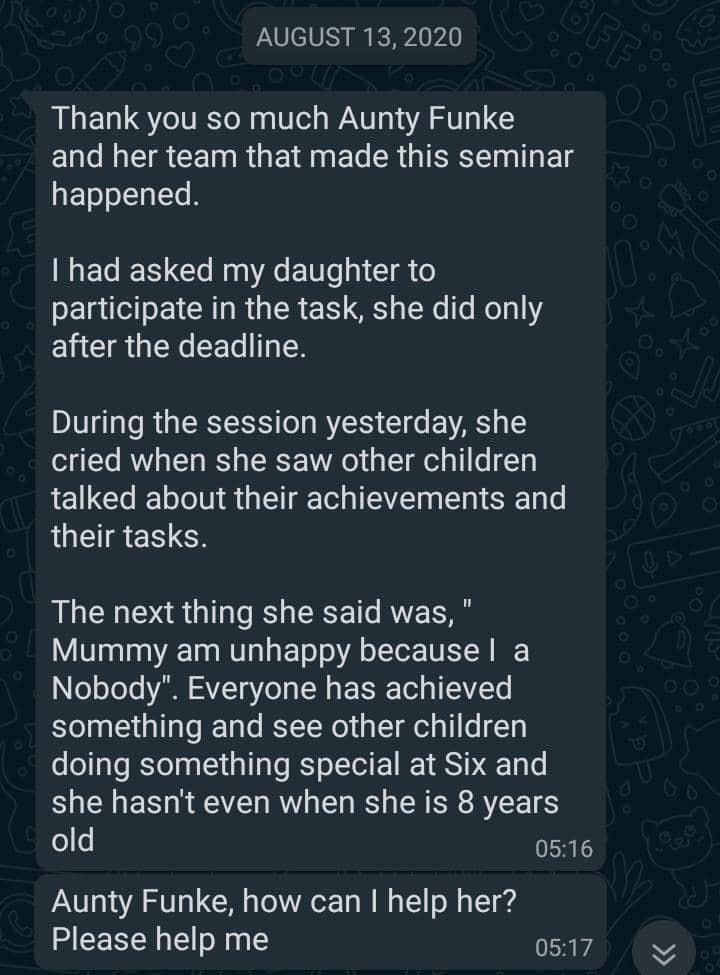
Feedback from one of the participants’ parent and a call to action!

Would you like your kids to be a part of our next edition?

Kindly fill and submit the form below:

← Back

Thank you for your response. ✨

Thanks, see you at the top!

← Back

Thank you for your response. ✨

← Back

Thank you for your response. ✨

Please rate our website(required)

My journey as an Empatico Kindness Fellow

You might be wondering what Empatico is all about?


Empatico is a free tool for teachers to connect their classroom with other classrooms around the world through live video and activities designed to foster meaningful connections among students.

Empatico empowers teachers and students to explore the world through experiences that spark curiosity, kindness, and empathy.


“Kindness is the root of all good things!”

I am privileged to be a part of this year kindness week and an Empatico Kindness Champion Fellow. So far since I was nominated to be a fellow, I have been able to create a kindness council in my class where we discuss on strategies on how to show kindness to ourselves, the community and the world at large. My pupils came with individual definition on what kindness means to them.
One of the Empatico Skills is Respectful Communication which I introduced to them and since then,they won’t stop using it and correct each other whenever they err. Together, we came up with an idea on spreading kindness in our world and community by visiting a rehabilitation center. While preparing for the visit, one of my kids exclaimed: I am so glad to be in grade six! ( this is a child whose parents wanted him to skip grade six to the college)

I am so elated to be a part of this; spreading kindness and empathy in my world. I believe that “a little act of kindness can change the world! “

Big thanks to Empatico and the team!