Igniting 21st Century Skills for the Future

Trend: #3

For today’s educational trend, we’re focusing on Project-Based Learning (PBL). This method is encompassing, allowing various teaching methods to be infused to meet the learning outcomes. At the same time, it enriches the learning process and enhances learners’ skills by building confidence, collaboration, problem-solving skills, communication, perspective-taking, and more.
Definition of Project-Based Learning (PBL):Project-Based Learning is a student-centered teaching method in which students learn by actively engaging in real-world and personally meaningful projects. Students work on a project over an extended period, which allows them to explore and respond to a complex question, challenge, or problem. This approach integrates various subjects and skills, culminating in a final product or presentation that demonstrates their knowledge and skills.
Benefits of Project-Based Learning

1. Enhanced Engagement: Students find PBL more engaging as it relates to real-world situations and their interests.

2. Deeper Understanding: PBL encourages deep learning and retention as students apply their knowledge to real-world problems.

3. Skill Development: Students develop critical thinking, collaboration, communication, and problem-solving skills.

4. Confidence Building: Working on projects helps students build confidence in their abilities and ideas.

5. Interdisciplinary Learning: PBL often integrates multiple subject areas, providing a more comprehensive understanding of the topic.

6. Ownership of Learning: Students take charge of their learning process, fostering independence and self-direction.
Steps to Implement Project-Based Learning

1. Identify the Learning Objectives: Determine the key concepts and skills students need to learn.

2. Design the Project: Create a project that is meaningful, engaging, and aligned with the learning objectives.

3. Plan the Assessment: Decide how students’ learning and skills will be assessed throughout and at the end of the project.

4. Launch the Project: Introduce the project to students, clearly explaining the goals, expectations, and timelines.

5. Facilitate Learning: Guide and support students as they work on their projects, providing resources and feedback.

6. Evaluate and Reflect: Assess the final projects and encourage students to reflect on their learning experiences and outcomes.
Examples of Project-Based Learning:

1. Community Garden Project: Students plan and create a community garden, integrating science, math, and social studies.

2. Historical Documentary: Students research a historical event and create a documentary, combining history, writing, and technology skills.

3. Entrepreneurship Project: Students design and pitch a business plan, incorporating economics, marketing, and communication skills.

Platforms that Aid Project-Based Learning

1. AiTeacha: Offers tools and resources to design, manage, and assess project-based learning activities, making it easier for teachers to implement PBL effectively.

https://aiteacha.com/

2. Google Workspace for Education: Provides a suite of tools like Google Docs, Slides, and Classroom to facilitate project planning, collaboration, and presentation.

https://edu.google.com/workspace-for-education/editions/overview/

3. PBLWorks: Offers resources, training, and tools specifically designed for implementing high-quality PBL.

https://www.pblworks.org/

4. Trello: A project management tool that helps students and teachers organize tasks and collaborate on projects.

https://trello.com/

5. Seesaw: A student-driven digital portfolio platform that allows students to document and share their project work.

https://seesaw.com/

Do you want to learn more about PBL? Enroll for the transformative course here: https://selar.co/PBL
Like, comment, share, follow, and save this post if you found it helpful!

How have you incorporated Project-Based Learning in your classroom, and what benefits have you observed?

Share your experiences in the comments below!
#Trend: Igniting 21st Century Skills for the Future

Flipped Learning, among the numerous teaching methods, is what intrigues 21st-century learners the most. Having used it numerous times in the classroom, it has become one of my favorites. By using Flipped Learning, I have been able to enhance my learners’ communication skills, especially for those who are shy to speak in class. It has also fostered a love for learning, emphasizing the importance of lifelong learning in this age and time. Additionally, it helps learners take ownership of their learning process.

Definition of Flipped Learning:Flipped Learning is an instructional strategy where traditional lecture and homework elements are reversed. Students first explore new content at home, typically through videos or readings, and then use classroom time for engaging in interactive activities, discussions, and collaborative projects that reinforce and apply the learned material.

Tools for Flipped Learning

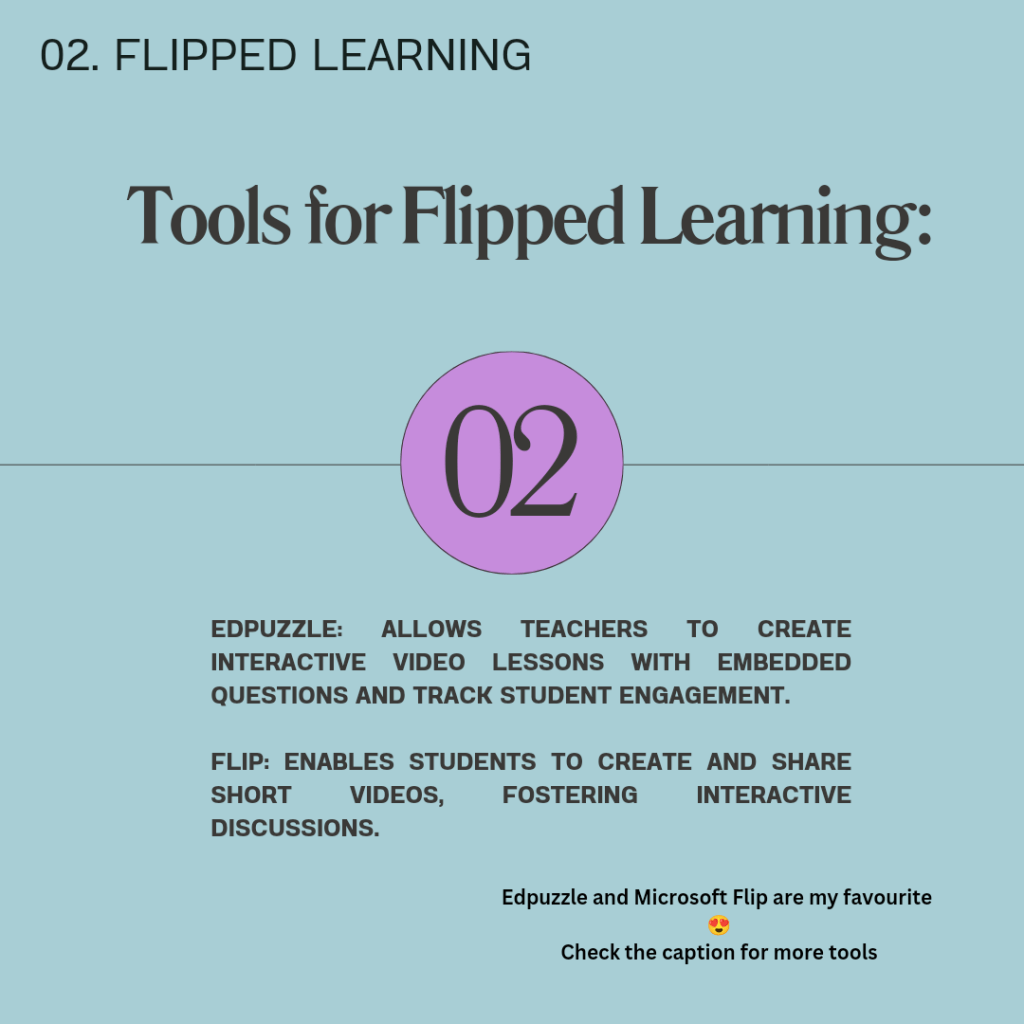
Edpuzzle: Allows teachers to create interactive video lessons with embedded questions and track student engagement.

Khan Academy: Offers a vast library of instructional videos and practice exercises in various subjects.

Google Classroom: Facilitates the distribution of educational content and assignments, as well as classroom discussions.

Screencast-O-Matic: A screen recording tool for creating instructional videos.

Nearpod: An interactive lesson platform that includes videos, quizzes, and collaborative activities.

Microsoft Flip: Enables students to create and share short videos, fostering interactive discussions. (Note: Microsoft Flip will no longer be in operation from September. I call Microsoft Flip the educational TikTok.)

Padlet: A digital bulletin board where students can post notes, images, links, and videos to collaborate on assignments.

Skills Developed Through Flipped Learning

Critical Thinking: Engaging with content at home allows students to analyze and reflect on information, fostering deeper understanding and critical evaluation.

Self-Directed Learning: Students learn to take responsibility for their own learning, managing their time and resources effectively.

Collaboration: Classroom time is used for group activities and discussions, enhancing teamwork and communication skills.

Communication: Interactive classroom sessions encourage students to express their ideas and questions, improving verbal and written communication.

Technological Proficiency: Utilizing various digital tools for learning content and completing assignments enhances students’ tech skills.

Problem-Solving: Hands-on classroom activities and projects require students to apply knowledge and solve real-world problems creatively and efficiently.

Adaptability: Flipped Learning teaches students to adapt to different learning environments and methods, preparing them for the diverse challenges of the future.

Research Skills: Independently exploring topics at home encourages students to develop strong research abilities and information literacy.

Flipped Learning will help you elicit information from learners rather than just relying on traditional tests. These skills are essential for 21st-century learners, equipping them for success in both academic and professional settings.

At Topflighters Academy, we are available for teacher trainings on 21st-century teaching methodologies.

Don’t forget to like, comment, share, follow, and save this post if you found it helpful!

How have you incorporated Flipped Learning in your classroom, and what benefits have you observed?

Share your experiences in the comments below!

Igniting 21st Century Skills for the Future

Educational Trend

How can we best prepare our learners for a rapidly changing world if we don’t equip them with relevant skills and information?

We need to understand that this era is primarily focused on skills-based learning, which means adopting a learner-centered approach to instill a comprehensive set of skills. We can best achieve this if we, as teachers, are intentional in carefully choosing how to teach, what to teach, and when to introduce a particular concept or skill. There is no better time or opportunity than now.

Delaying the incorporation of technology, for instance, denies our students access to tools that will enhance their knowledge acquisition and help them become better versions of themselves.Let’s jump on this educational trend!

Today, we are going to start with gamification or game-based learning. It can be done using technological gadgets or traditional methods. Either way, ensure that you incorporate it to create a love for learning and foster lifelong learners.In case you don’t have technology in your school that’s accessible to all learners, you can print them out and give them to all learners while you work towards a paperless classroom.

The attached websites contain platforms where you can easily create and download classroom games that suit your class.

https://www.canva.com/

https://www.turtlediary.com/

https://www.education.com/games/

These are some educational game platforms to consider:

1. Kahoot! – A game-based learning platform used to create quizzes and interactive lessons.

2. Prodigy – A math-based game that adapts to students’ individual learning levels.

3. Classcraft– A role-playing game that transforms classroom management and student motivation.

4. Minecraft: Education Edition – An open-world game that promotes creativity, collaboration, and problem-solving.

5. Duolingo – A language-learning platform that gamifies language acquisition.

6. Quizlet – Offers study tools and games to make learning more engaging.

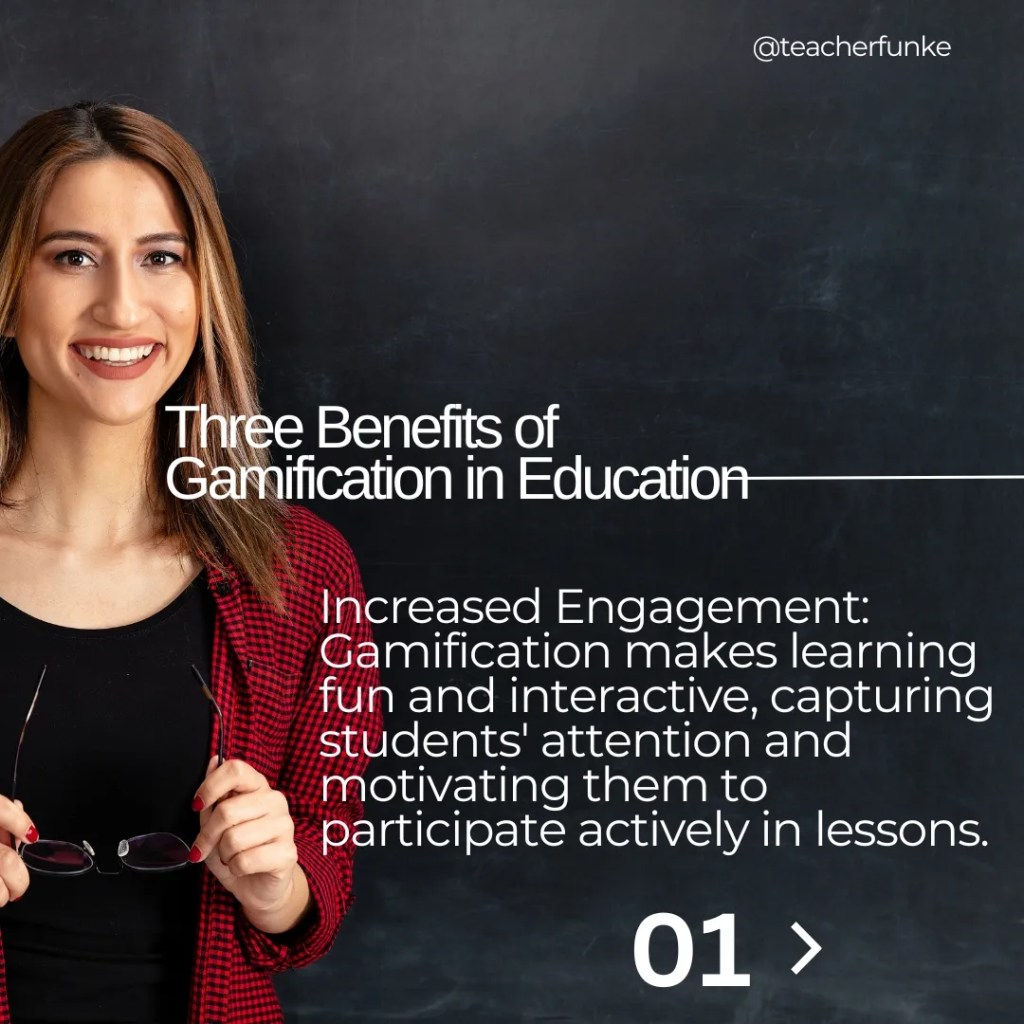
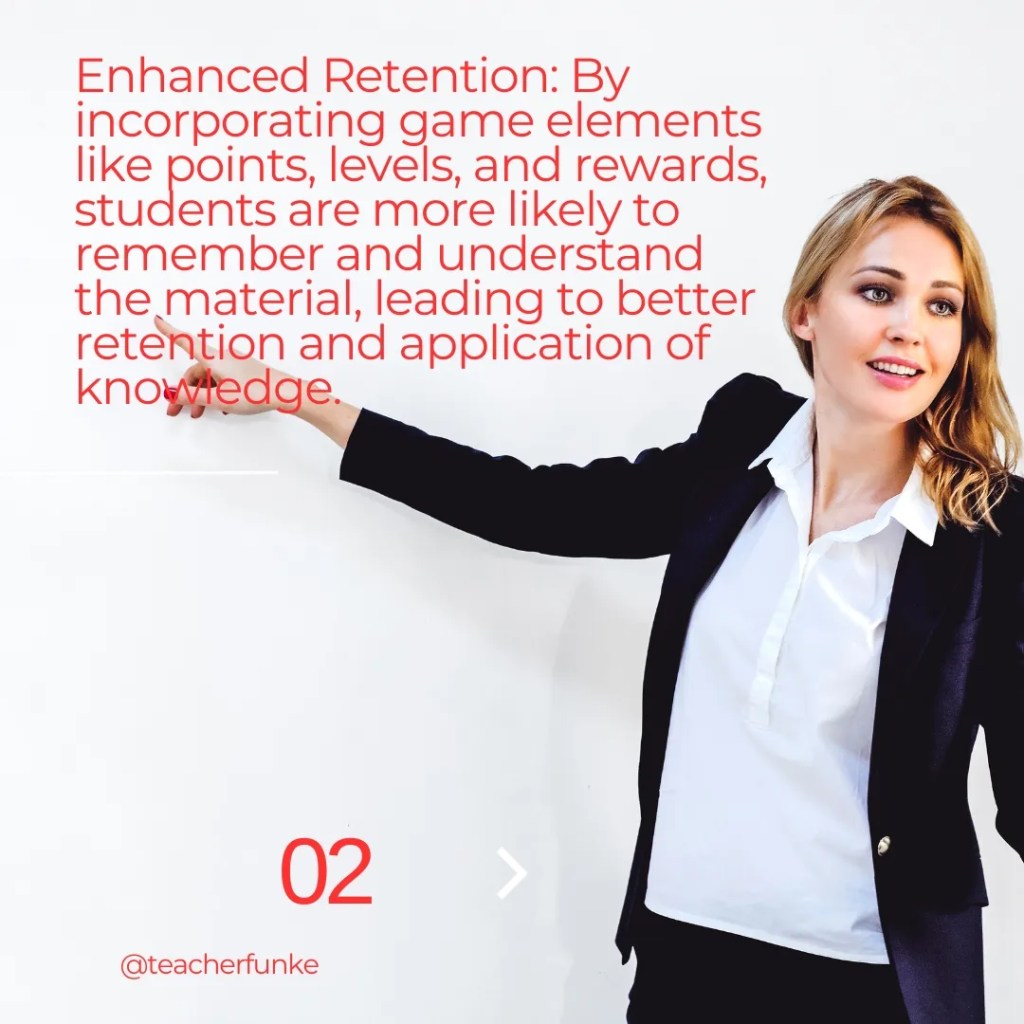
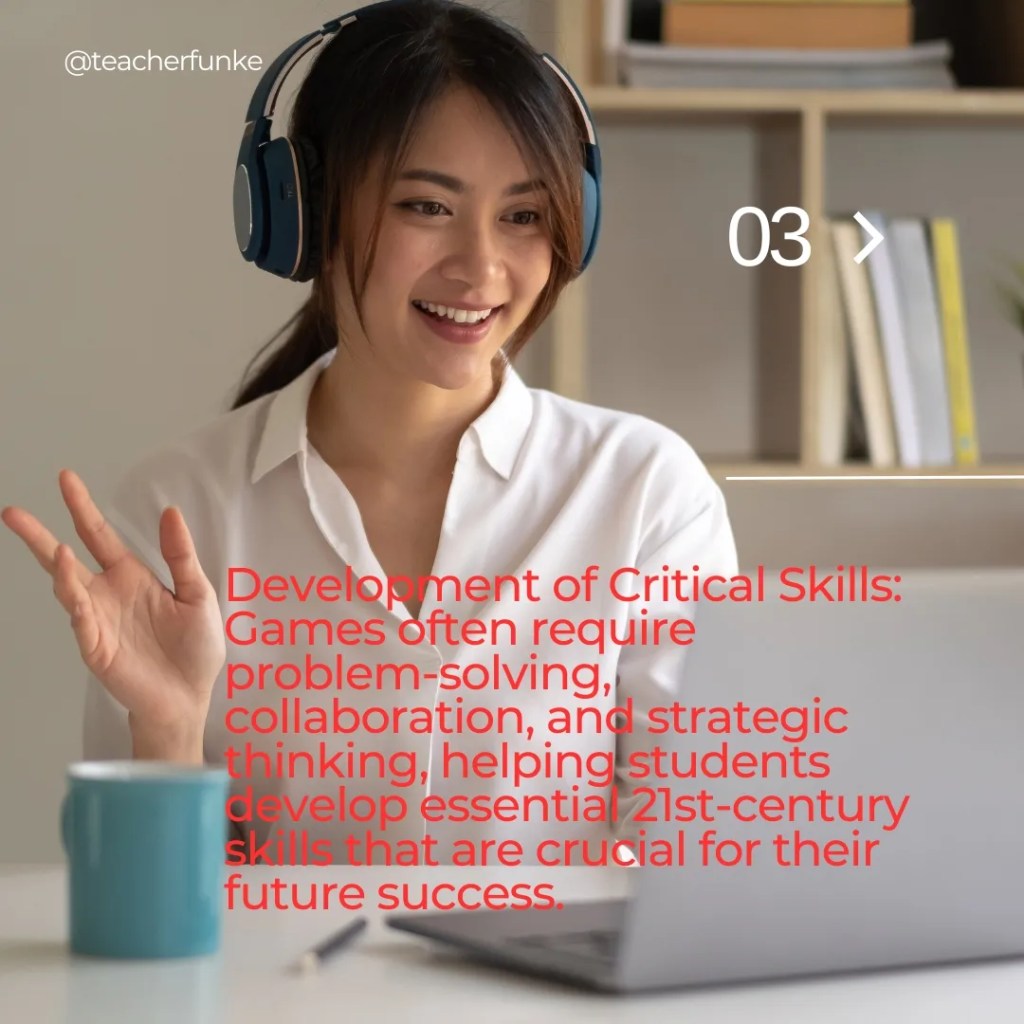
Three Benefits of Gamificiation in Education

Let’s make learning fun and impactful! What are your favorite educational games or strategies for incorporating gamification in the classroom? Drop a comment below and share your thoughts!

#Monday#productiveteacher#21stCenturySkills#21stCenturyTeaching#gamification#skills

DAY #14 VR/AR CLASSROOM EXPERIENCE

SUBJECT: Future Trends in VR/AR Education

Welcome to Day #14 (the last day for this episode)! I believe that your journey to “VR-ing” has been a fantastic one! Let’s dive in to what we have for today: Future Trends in VR/AR Education.

It is no longer news to you that Virtual Reality (VR) and Augmented Reality (AR) are two technologies that have the potential to revolutionize education by providing immersive, interactive, and engaging experiences for students. VR is a technology that creates a simulated environment that the user can explore and interact with, while AR is a technology that overlays digital information or objects onto the real world. Both technologies can be used to create simulations, games, and other interactive content that can help students learn complex concepts in a more intuitive and engaging way.

Current Applications of VR/AR in Education

VR/AR technologies have already been applied in various educational settings and domains, such as:

STEM education: VR/AR can be used to create simulations and visualizations of scientific phenomena, such as the solar system, the human body, or chemical reactions. These simulations can help students understand abstract concepts and principles in a more concrete and experiential way. For example, the Google Expeditions app allows teachers and students to explore virtual field trips to various places and topics, such as the Great Barrier Reef, the International Space Station, or the Ancient Rome.

Language learning: VR/AR can be used to create immersive and authentic scenarios for language learning, such as conversing with native speakers, visiting foreign countries, or experiencing different cultures. These scenarios can help students practice their language skills and enhance their cultural awareness. For example, the Mondly app uses VR and speech recognition to create realistic conversations with virtual characters in different languages and situations.

History and arts education: VR/AR can be used to create virtual museums and galleries that showcase historical artifacts, artworks, and cultural heritage. These virtual museums and galleries can help students appreciate and learn about the history and arts of different civilizations and periods. For example, the Google Arts & Culture app allows users to explore thousands of artworks and cultural sites from around the world in VR and AR.

Special education: VR/AR can be used to create adaptive and personalized learning environments for students with special needs, such as autism, dyslexia, or visual impairment. These learning environments can help students overcome their learning challenges and enhance their cognitive and social skills. For example, the Brain Power app uses AR and artificial intelligence to help children with autism learn social and emotional skills through gamified interactions with virtual characters.

## Future Trends and Implications of VR/AR in Education

As VR/AR technologies become more advanced, accessible, and affordable, they are expected to have a greater impact on education in the future. Some of the possible trends and implications are:

More immersive and realistic experiences: VR/AR technologies will continue to improve in terms of graphics, sound, haptics, and interactivity, creating more immersive and realistic experiences for users. These experiences will enable students to learn by doing, rather than by reading or listening, and to feel more emotionally connected to the content and the context. For example, students could experience the effects of climate change, the horrors of war, or the joys of art in a more visceral and empathetic way.

More collaborative and social learning: VR/AR technologies will enable more collaborative and social learning among students and teachers, both locally and globally. Students and teachers will be able to communicate, cooperate, and co-create in virtual and augmented spaces, regardless of their physical location or time zone. These spaces will also allow students and teachers to interact with experts, mentors, and peers from different backgrounds and disciplines, expanding their perspectives and networks. For example, students could work on a group project with students from another country, or receive feedback from a renowned scientist or artist.

More personalized and adaptive learning: VR/AR technologies will enable more personalized and adaptive learning for students, based on their preferences, abilities, and progress. Students will be able to choose their own learning goals, paths, and pace, and receive immediate and tailored feedback and guidance from the system or the teacher. The system will also be able to monitor and analyze the students’ performance, behavior, and emotions, and adjust the content and the difficulty accordingly. For example, students could learn at their own level and speed, or receive extra support or challenge when needed.

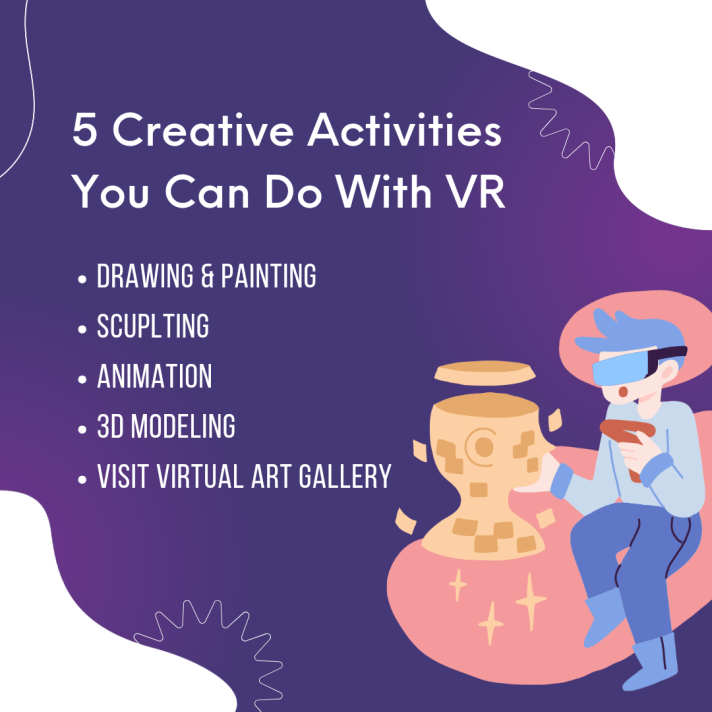
More creative and innovative learning: VR/AR technologies will enable more creative and innovative learning for students, by providing them with tools and platforms to express their ideas, imagination, and talents. Students will be able to create their own VR/AR content, such as games, stories, or artworks, and share them with others. They will also be able to explore and experiment with different possibilities and scenarios, and discover new insights and solutions. For example, students could design their own virtual worlds, or solve real-world problems using VR/AR.

Conclusion

VR/AR technologies have the potential to transform the way we teach and learn by providing immersive, interactive, and engaging experiences for students. These technologies can be used to create simulations, games, and other interactive content that can help students learn complex concepts in a more intuitive and engaging way. The future of VR/AR in education will likely involve more immersive and realistic experiences, more collaborative and social learning, more personalized and adaptive learning, and more creative and innovative learning. However, there are also some challenges and limitations that need to be addressed, such as the cost, accessibility, quality, and ethics of VR/AR technologies and content. Therefore, it is important to balance the benefits and risks of VR/AR in education, and to ensure that these technologies are used in a responsible and effective way.

I hope you found today’s blog post educating and helpful! If you have any questions, comments, or feedback, please feel free to leave them below. And if you have tried any of the above tools or methods, please share your experiences and otcomes with us. kindly subscribe to my newsletter and blog in order to hva firsthand notification when trends in education are posted.

Thank you for reading and happy VR-ing!

Teacher Funke Akpan

Technology Integration Expert

Founder, Topflighters Academy

DAY #13 VR/AR CLASSROOM EXPERIENCE

SUBJECT: Case Studies and Success Stories of VR/AR Implementation

In the dynamic landscape of education, the integration of cutting-edge technologies has become pivotal in shaping the future of learning. Among these innovations, Virtual Reality (VR) and Augmented Reality (AR) stand out as transformative tools that have the power to revolutionize traditional teaching methods. Today, we delve into the success stories of schools and educators who have harnessed the potential of VR and AR to elevate the educational experience for their students.

Successful VR Implementation

Unveiling the Virtual Classroom Revolution

In the realm of Virtual Reality, educators are stepping into uncharted territories to create immersive and engaging learning environments. Virtual Reality has transcended the boundaries of conventional teaching, allowing students to explore the depths of the ocean, travel back in time, or even dissect a virtual cadaver.

VR is a technology that creates immersive and interactive simulations of different environments and scenarios. It can be used to enhance learning experiences in various subjects, such as science, history, art, and more. Here are some real-world examples of schools or educators effectively using VR in the classroom:

Southern New Hampshire University (SNHU) piloted VR in an undergraduate psychology course to help students understand the structure and function of the brain. They used a custom VR experience called Synapse VR, which allowed students to explore the brain from different perspectives and manipulate its parts. The VR experience also included quizzes and feedback to reinforce learning. The pilot study found that VR increased student engagement, confidence, and retention of the material.

ClassVR is a platform that provides a library of VR content and curriculum-aligned activities for schools. It covers topics such as geography, history, science, and more. Teachers can also create their own VR lessons using 360-degree images and videos. ClassVR has been used by over 40,000 classrooms worldwide, and has received positive feedback from teachers and students. Some of the benefits reported include increased motivation, creativity, collaboration, and empathy.

Media and Learning Association conducted a visual case study of VR in education, where they collected images and videos of VR learning activities from different schools and universities. They found that VR can be used to create engaging and memorable experiences that enhance understanding and curiosity. Some of the examples they showcased include VR tours of historical sites, VR simulations of natural phenomena, and VR art exhibitions.

Successful AR Implementation

Inspiring Stories of Augmented Learning Adventures

Augmented Reality has proven to be a game-changer in education, seamlessly blending the digital and physical worlds to create an enriched learning experience. From language arts to science experiments, AR has found its way into classrooms, adding a layer of interactivity that captivates students’ imaginations. In this section, we will shine a spotlight on inspiring stories of AR integration, where educators have harnessed the power of augmented reality to create dynamic and impactful lessons that resonate with students and enhance their overall learning journey.

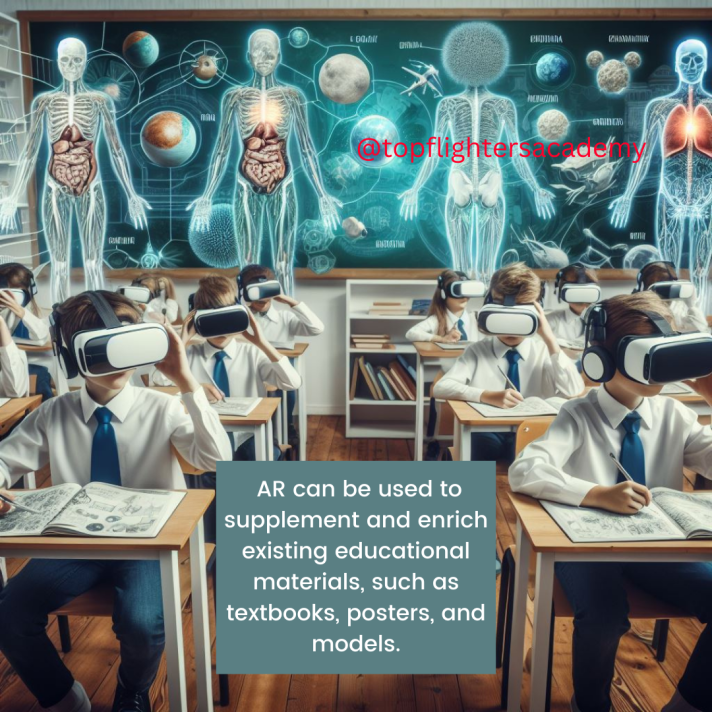
AR is a technology that overlays digital information and elements onto the real world, creating an enhanced and interactive experience. It can be used to supplement and enrich existing educational materials, such as textbooks, posters, and models. Here are some inspiring stories of AR integration that have positively impacted student learning:

ArborXR is a platform that provides AR content and tools for education. It enables teachers to create and share AR lessons that can be accessed by students using smartphones or tablets. ArborXR covers subjects such as math, science, art, and more. It also offers analytics and feedback to monitor student progress and performance. Some of the benefits of using ArborXR include accessible and mobile learning, higher student engagement and interest, improved collaboration and communication, and faster and more effective learning.

Eastern Peak is a company that develops custom AR solutions for education and training. They have worked with various clients to create AR apps that enhance learning outcomes and experiences. Some of their projects include AR apps for language learning, anatomy education, chemistry experiments, and museum tours. They have also created AR apps for professional training, such as medical procedures, engineering tasks, and safety protocols.

Maryville University is an institution that uses AR to create interactive classrooms and learning environments. They use AR to provide students with multisensory and immersive experiences that complement traditional teaching methods. Some of the examples of AR in education at Maryville University include AR books and posters that come to life, AR models and diagrams that can be manipulated and explored, and AR games and puzzles that challenge and stimulate students.

RESOURCES

(1) Case Studies – ClassVR. https://www.classvr.com/case-studies/.

(2) Making VR a Reality in the Classroom | EDUCAUSE Review. https://er.educause.edu/articles/2021/4/making-vr-a-reality-in-the-classroom.

(3) How VR Changes Learning: A Visual Case Study. https://media-and-learning.eu/type/featured-articles/vr-in-education-2021-a-visual-case-study/.

(4) Augmented Reality in Education: Examples, Benefits, & Use Cases. https://arborxr.com/blog/augmented-reality-in-education-examples-benefits-use-cases/.

(5) Augmented Reality in Education: The Hottest EdTech Trend – Eastern Peak. https://easternpeak.com/blog/augmented-reality-in-education/.

(6) Augmented Reality in Education: Interactive Classrooms. https://online.maryville.edu/blog/augmented-reality-in-education/.

I hope you found today’s blog post educating and helpful! If you have any questions, comments, or feedback, please feel free to leave them below. And if you have tried any of the above tools or methods, please share your experiences and otcomes with us. I’m

Thank you for reading and happy VR-ing!

Teacher Funke Akpan

Technology Integration Expert

DAY #11 VR/AR CLASSROOM EXPERIENCE

SUBJECT: How to Use VR to Enhance Learning and Engagement in Your Classroom

Dear educators,

Have you ever wondered what it would be like to explore the human brain, visit ancient civilizations, or travel to outer space? With virtual reality (VR), you can do all that and more in your classroom. VR is a technology that creates immersive and interactive 3D environments that simulate real or imagined scenarios. VR can offer a variety of benefits for learning and teaching, such as increasing motivation, engagement, retention, and creativity. However, VR can also pose some challenges, such as technical issues, cost, accessibility, and ethical implications. In today’s post, I will show you how to use VR in your classroom in a feasible and effective way. You will learn about some of the best tools and resources for creating and experiencing VR, as well as some tips and best practices for integrating VR into your curriculum and pedagogy.

One of the easiest and cheapest ways to create your own VR experiences is to use a smartphone and an app called Panorama 360. This app allows you to capture 360-degree photos and videos of your surroundings, which you can then view in VR mode using a cardboard headset or a smartphone based headset (as discussed in one of the previous episodes). You can also upload your panoramas to the app’s gallery, where you can explore other users’ VR creations from around the world. To use Panorama 360 in your classroom, you can follow these steps:

– Download the app from the Google Play Store or the App Store and install it on your smartphone.

– Launch the app and tap on the camera icon to start capturing your panorama. You can choose between photo or video mode, and adjust the settings according to your preference.

– Hold your smartphone horizontally and move it slowly in a circular motion to capture your surroundings. The app will guide you with a blue dot and a green circle to help you align your shots. You can also pause and resume your capture at any time.

– When you are done, tap on the check mark to save your panorama. You can then preview it, edit it, or share it with others. You can also add a title, a description, and a location to your panorama.

– To view your panorama in VR mode, tap on the VR icon and insert your smartphone into a cardboard headset. You can then look around and enjoy your VR experience.

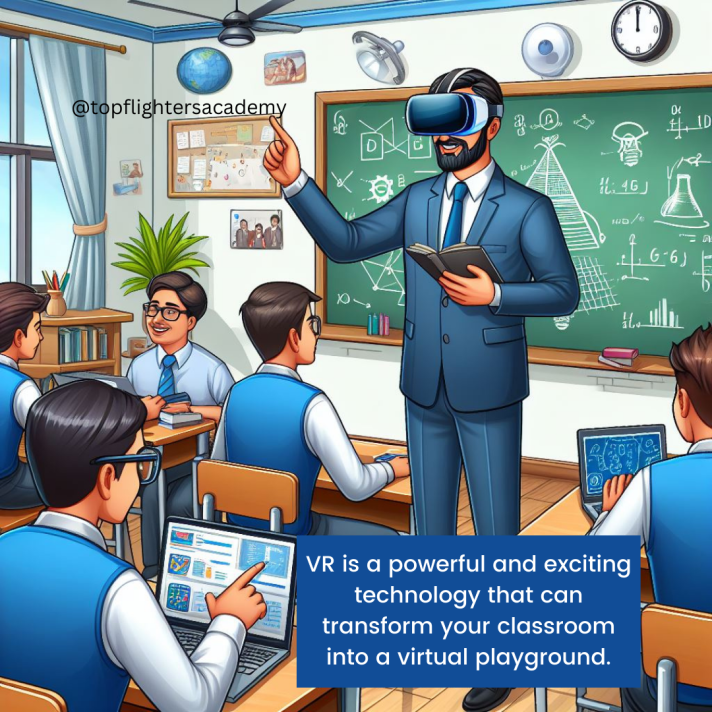
VR is a powerful and exciting technology that can transform your classroom into a virtual playground. By using VR, you can provide your students with immersive and engaging learning experiences that can enhance their understanding and enjoyment of various topics and subjects. However, VR also requires careful planning and preparation to ensure its feasibility and effectiveness. In this blog post, I have shared with you some of the best tools and resources for creating and experiencing VR, as well as some tips and best practices for integrating VR into your curriculum and pedagogy. I hope you have found this blog post helpful and informative. If you have any questions, comments, or feedback, please feel free to leave them below. And if you have tried VR in your classroom, please share your experiences and outcomes with us. Thank you for reading and happy VR-ing! 😊

To your best interest,

Funke Akpan

Technology Integration Expert

Founder, Topflighters Academy

DAY #10 VR/AR CLASSROOM EXPERIENCE

SUBJECT: How to Create a VR Club in School

Virtual reality (VR) is an exciting and immersive technology that can enhance learning and creativity. If you are interested in VR and want to share your passion with others, you might consider creating a VR club in your school. A VR club can be a fun and rewarding way to explore VR, learn new skills, and collaborate with your peers. In today’s episode, I will give you some tips on how to start and run a successful VR club in your school.

What You Need

To create a VR club, you will need some basic equipment and resources, such as:

VR headsets: These are devices that you wear on your head to experience VR. There are different types of VR headsets, such as standalone, tethered, or mobile. You can choose the ones that suit your budget and preferences. Some examples of VR headsets are Oculus Quest, HTC Vive, Samsung Gear VR, and Google Cardboard.

VR content: These are the applications, games, and experiences that you can access in VR. You can find a variety of VR content online, such as on Steam, Oculus Store, or ClassVR. You can also create your own VR content using platforms like Varwin, CoSpaces, or Unity.

VR development kit: This is a software tool that helps you create and edit VR content. You can download a VR development kit for free from Steam, such as Unreal Engine or Unity. You will also need a computer that meets the minimum requirements for VR development.

VR club members: These are the students who are interested in joining your VR club. You can recruit them by advertising your club on social media, posters, flyers, or word of mouth. You can also ask your teachers, friends, or family to help you spread the word.

What You Do

Once you have the necessary equipment and resources, you can start planning and organizing your VR club activities, such as:

VR club meetings: These are the regular sessions where you and your club members meet to use VR, learn new skills, and work on projects. You can decide how often, when, and where to hold your VR club meetings, depending on your availability and preferences. You can also assign roles and responsibilities to your club members, such as leader, secretary, treasurer, or coordinator.

VR club projects: These are the goals or challenges that you and your club members set for yourselves to achieve in VR. You can choose projects that are relevant to your interests, curriculum, or hobbies, such as creating a VR game, exploring a VR museum, or designing a VR environment. You can also participate in VR competitions, hackathons, or workshops to showcase your work and learn from others.

VR club events: These are the special occasions where you and your club members invite other people to join your VR club activities, such as students, teachers, parents, or guests. You can organize VR club events to promote your club, share your work, or celebrate your achievements. You can also collaborate with other VR clubs, schools, or organizations to exchange ideas and experiences.

What You Learn

By creating a VR club, you and your club members can benefit from many learning opportunities, such as:

VR skills: You can learn how to use VR headsets, access VR content, and create VR content. You can also learn how to troubleshoot VR problems, optimize VR performance, and test VR quality.

VR knowledge: You can learn about the history, science, and art of VR. You can also learn about the current trends, innovations, and applications of VR in various fields, such as education, entertainment, health, or tourism.

VR creativity: You can unleash your imagination and express yourself in VR. You can also experiment with different VR elements, such as sound, motion, or interaction. You can also explore different VR genres, such as adventure, horror, or comedy.

VR collaboration: You can work with your club members and other people in VR. You can also communicate, cooperate, and coordinate with them in VR. You can also give and receive feedback, support, and recognition in VR.

Conclusion

Creating a VR club in school can be a great way to enjoy VR, learn new things, and make new friends. If you follow these tips, you can start and run a successful VR club in your school. I hope today’s episode has inspired you to create your own VR club and have fun with VR. Thank you for reading. 

To your best interest,

Teacher Funke Akpan

Technology Integration Expert

Founder, Topflighters Academy

DAY #8 VR/AR CLASSROOM EXPERIENCE

SUBJECT: EXPLORING VIRTUAL REALITY HARDWARE COMPONENTS (CLASSROOM BASED VR TECHNOLOGY) II

Welcome to day #8 dear educators! Today, we will explore some VR technology that are specifically made for the classroom and how VR/AR can be infused effectively into your lessons.

Happy Reading!

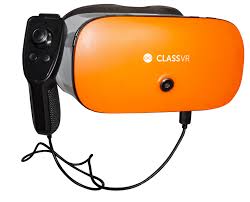
CLASSVR

HOW CLASSVR WORKS:

The Hardware: ClassVR Headsets

ClassVR headsets provide a safe and secure way for students to explore VR & AR in the classroom with the teacher keeping full control over each device. From a comfortable VR experience using the adjustable head straps to the intuitive and simple to use interface and controls, ClassVR headsets have been designed specifically for students of all ages.

The Software: ClassVR Teacher Portal

The ClassVR Portal ensures teachers can confidently manage students and add value to lessons when using VR & AR in lessons. Easily search and build VR playlists using the drag and drop functionality, deliver lessons simultaneously and guide students through experiences using set dynamic points of interest. Teachers are always in control and the real-time class view provides full visibility of what and where their students are exploring in the headsets.

The Content: Curriculum-Aligned VR & AR Resources

The ClassVR Portal contains thousands of pedagogically sound, curriculum-aligned VR & AR resources including content, downloadable lessons plans, guides and worksheets to boost student engagement in every lesson. Teachers can also upload their own content, access the community of educational resources shared by existing ClassVR users and other third-party educational VR & AR content providers.

For more info on CLASSVR, kindly visit their website: www.classvr.com

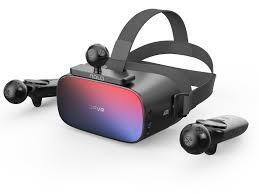
LENOVO ThinkReality

DESCRIPTION AND FEATURES

Discover the DPVR P1 Pro EDU headset

These powerful, standalone devices are ready to deliver immersive experiences straight out of the box, with zero-touch device registration and content management.

icon systems management@3x

Integrated audio

icon end point security 0

Immersive visualizations

icon cloud eco systems

Up to 3 hours’ battery life

icon warranty
icon premier support

Headset integrated touchpad and 3DoF wireless controller

Visit https://techtoday.lenovo.com/us/en/solutions/k12-education for more nformation about this hardware.

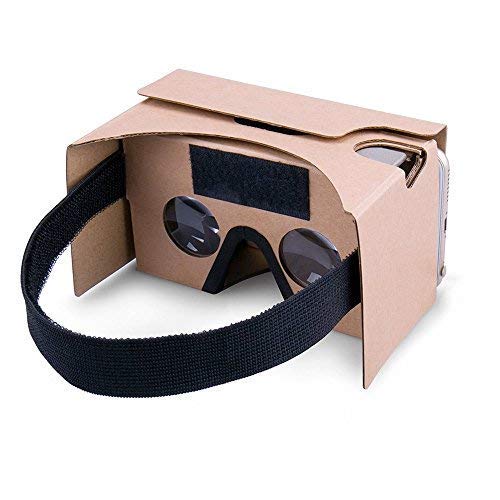
Google Cardboard

Google Cardboard brings immersive experiences to everyone in a simple and affordable way. Whether you fold your own or buy a certified viewer, you’re just one step away from experiencing virtual reality on your smartphone.

With a wide variety of viewers to choose from, you’re sure to find one that fits you just right.

VREDDO

VReddo is an education and training technology provider based in Brisbane, Australia. We are dedicated to building innovative and practical learning solutions which enable high learning retention and simplify the communication of complex problems through interactive software.

Their mission is to help organisations improve the effectiveness of their learning and development programs through the incorporation of Virtual Reality (VR) via these 4 VReddo solutions:

a. VReddo Classrooms

Interactive Live VR Classroom Training

VReddo Training Labs

Interactive VR Training Experiences

VReddo Skillsets

Immersive, always-on VR Learning Modules

VReddo Showcases

Immersive VR Demonstrations

VReddo is built for the Oculus platform, running on a secure Android operating system. The Oculus platform is designed for isolated application instances to ensure no interference or access from outside applications. VReddo recognises user data and class content security is paramount and has implemented a range of security features to ensure 100% protection.

User data to and from AWS requires authentication.

VReddo’s data input methods use physical systems. All brute force attempts are 100% ineffective.

VReddo’s engine uses Unity and Photon servers supporting Diffie Hellmann Key Exchange using AES encryption.

VReddo infrastructure resides in Amazon Web Service’s South East 2 region, which is based in Sydney.

VReddo infrastructure has been purpose-built in AWS for high availability with both VReddo and the Content Management System utilising the full suite of AWS security features. (As seen on their website: http://www.vreddo.com)

Thank you for stopping by today! Continue to explore VR/AR in your little corner. The future is now! See you tomorrow!
To your best interest,

Funke Akpan

Technology Integration Expert

Founder, Topflighters Academy

DAY #5 VR/AR CLASSROOM EXPERIENCE

SUBJECT: Exploring Virtual Reality Hardware Components


Day 7: Exploring Virtual Reality Hardware Components

Welcome to Day 7 of our journey into the immersive world of Virtual Reality (VR)! Today, we’ll take a closer look at the essential hardware components that make up the backbone of any VR experience. These components work seamlessly together to transport users into captivating virtual environments, creating an unparalleled sense of presence and engagement.
VR Headsets:
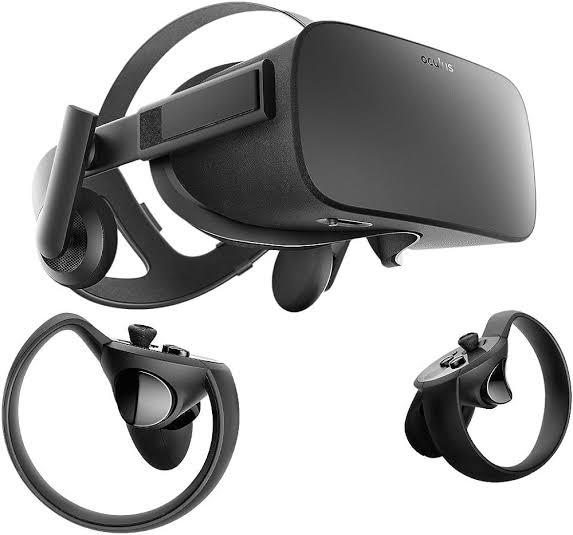
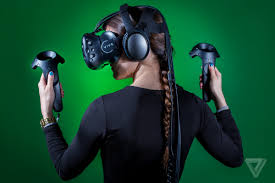
At the heart of the VR experience is the VR headset, a device that users wear over their eyes to immerse themselves in virtual worlds. Examples of popular VR headsets include the Oculus Rift, HTC Vive, and PlayStation VR. These devices employ high-resolution displays, motion sensors, and often integrated headphones to deliver a visually stunning and immersive experience.

Controllers:
Enhancing interaction within virtual environments, controllers are handheld devices that allow users to manipulate and navigate the VR space. Examples include the Oculus Touch controllers and the HTC Vive controllers, which feature motion tracking and haptic feedback to simulate the sense of touch in the virtual realm.

Sensors and Tracking Systems:
To precisely track user movements and gestures, VR systems utilize external sensors or built-in cameras. For instance, the Oculus Rift relies on external sensors that detect the position of the headset and controllers in a defined space, while inside-out tracking systems, like those found in the Oculus Quest, use cameras embedded in the headset to monitor the surroundings.

Computing Devices:
Powering the immersive experiences in VR requires robust computing devices. VR-ready computers or gaming consoles are equipped with high-performance graphics cards and processors. Devices like the Oculus Link allow standalone headsets to connect to a computer, leveraging its processing power for more graphically demanding content.

Accessories:
Various accessories enhance the VR experience. Charging stations keep untethered devices powered up, protective cases safeguard hardware, and additional peripherals, such as VR gloves or haptic vests, can add layers of sensory feedback to create a more immersive encounter.

SPECIFIC EXAMPLES OF VIRTUAL REALITY HARDWARE

A. SMARTPHONE-BASED VR HEADSET

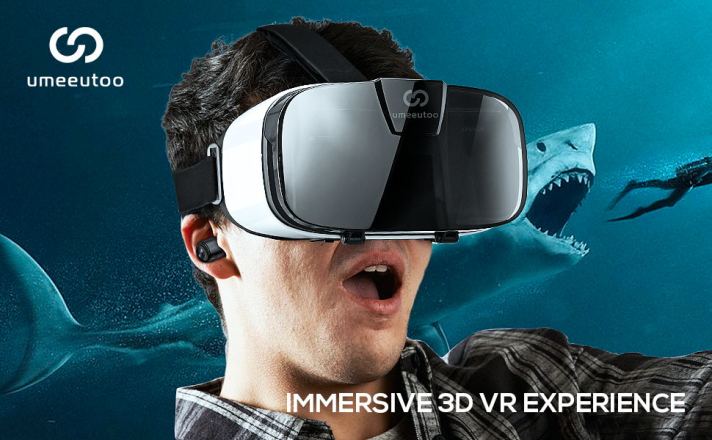
BRAND: UMEEUTOO

(As seen on AMAZON)

PICTORIAL DESCRIPTION

Features & details

FITS ALMOST EVERY PHONE:3D VR headsets are compatible with smartphones with a 4.5″ x 6.3” screen such as for iPhone models X, XR, XS, 8, 8 plus, 9, 9 plus, 11, 11 pro, 12 mini, 12 pro, SE, etcalso compatible with Samsung Android Galaxy Note 20, S20, OnePlus, Box VR, Google Pixel, etc

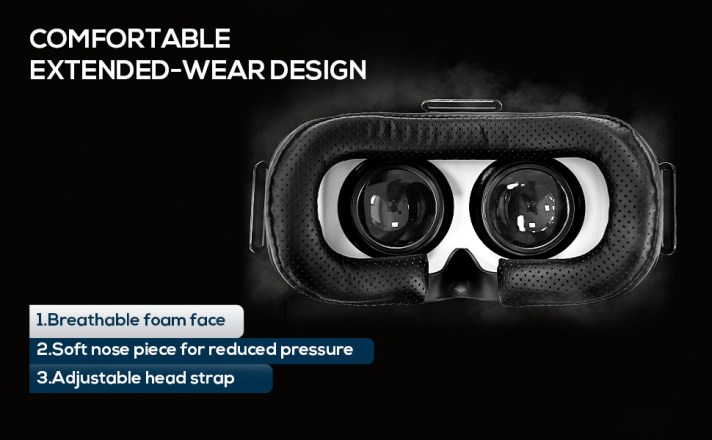
COMFORTABLE, EXTENDED WEAR DESIGN:we offer a comfort-fit experience with a fully adjustable head strap T-shaped headband will fit most head sizes (both adults and children),eyesight protection system,and reduce pressure around the face by adjusting the buckles on both sides.

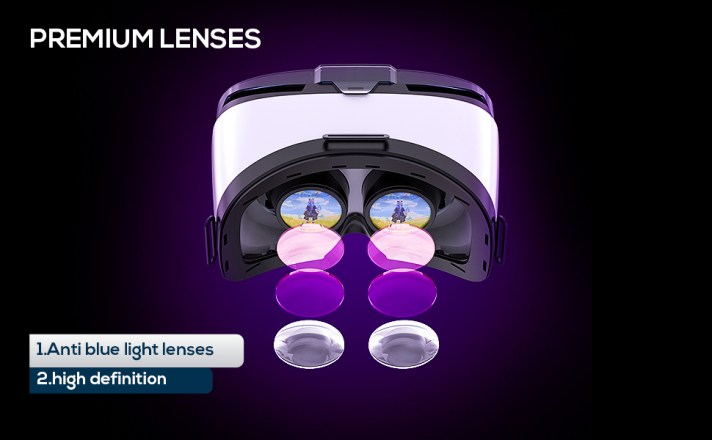
EYE-protected HD lenses:VR glasses headset using anti-reflective and Anti-blue light coating lenses to prevent eyestrain when using the headset. Also, sharp HD images are achieved by the aspheric and anti-distortion lens surface.

IMMERSIVE 3D EXPERIENCE: Taking into VR games/movies/videos.phone VR goggles 360-degree panoramic view bringing more shocking visual experience and immersive visual impa-ct.

PERFECT GIFT FOR KIDS & ADULTS: those virtual reality glasses premium VR headsets are the perfect present and gift idea for kids and adult’s birthdays, Easter, Father’s Day, Halloween, Thanksgiving, and ChristmasChristmas

Amount: $30 (Amazon)

TETHERED VIRTUAL REALITY HEADSET

BRAND:

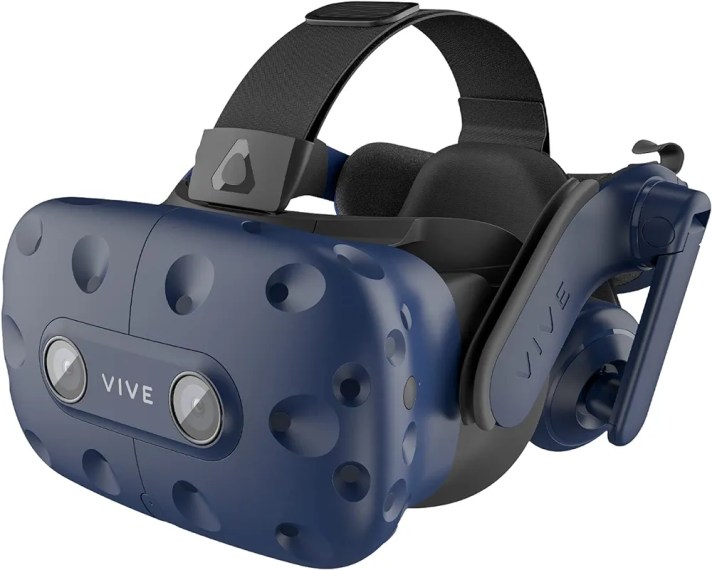
HTC Vive Pro Virtual Reality Full System

Description

Built to meet the needs of today’s most demanding VR users, VIVE Pro is an easy-to-deploy VR system that scales with your business and provides the richest feature set for professional users. From seated environments to expansive, multi-user deployments, VIVE Pro delivers the highest fidelity, clearest audio and most immersive VR experience. HTC has your back with after-sales support as well. Because you are purchasing this authentic HTC VIVE product from an authorized retailer, your VIVE Pro 2 comes with a 12-month limited warranty.

Features & details

STEAM VR 2.0 TRACKING – From seated to standing to full 22’11”’ x 22’11” room-scale. Ideal for multi-user environments for sub-millimeter tracking accuracy

HIGH RESOLUTION DISPLAY – Dual-OLED displays with industry leading resolution of 2880 x 1600 pixels for unparalleled visual fidelity of graphics, text, and textures

SPATIAL AUDIO WITH NOISE CANCELLATION – Hi-res, high impedance headphones, 3D spatial sound with active noise cancellation for an immersive experience without distractions from real-world sounds

MULTI-USER AND EXTENDED USE – Even weight distribution of the headset, easy on and off, and adjustments for head size, glasses and interpupillary distance (IPD) makes multi-user and extended use easier than ever

VIVE TRACKER ECOSYSTEM – Expand business use cases by adding real-life objects to VIVE Tracker bringing the object into your virtual simulation. Ideal for motion capture, automotive, aerospace or heavy equipment simulation.

VIVEPORT INFINITY – Get 2 months of unlimited VR play of 700+ games & apps. 

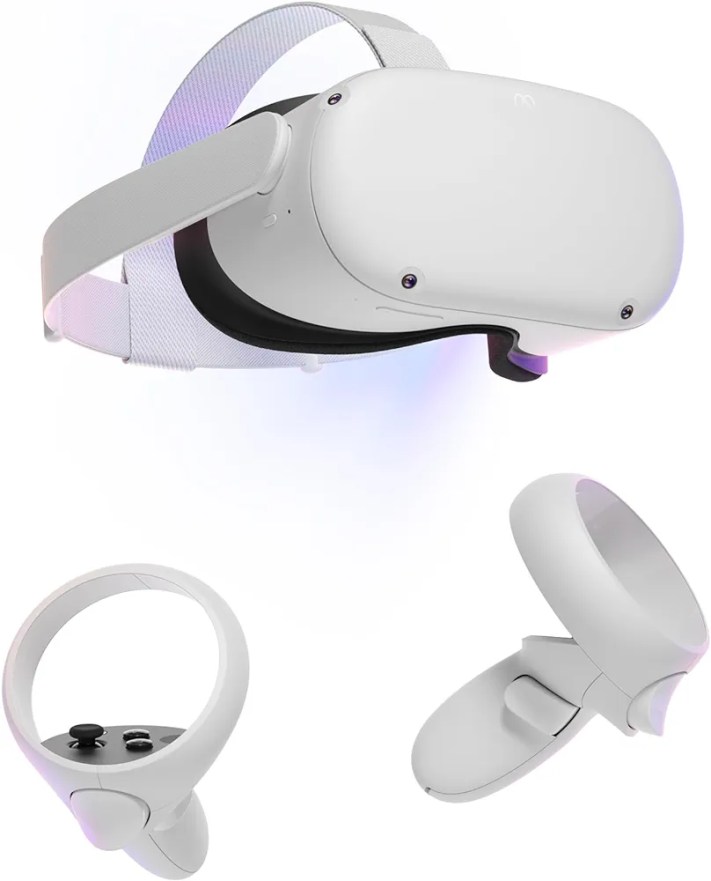
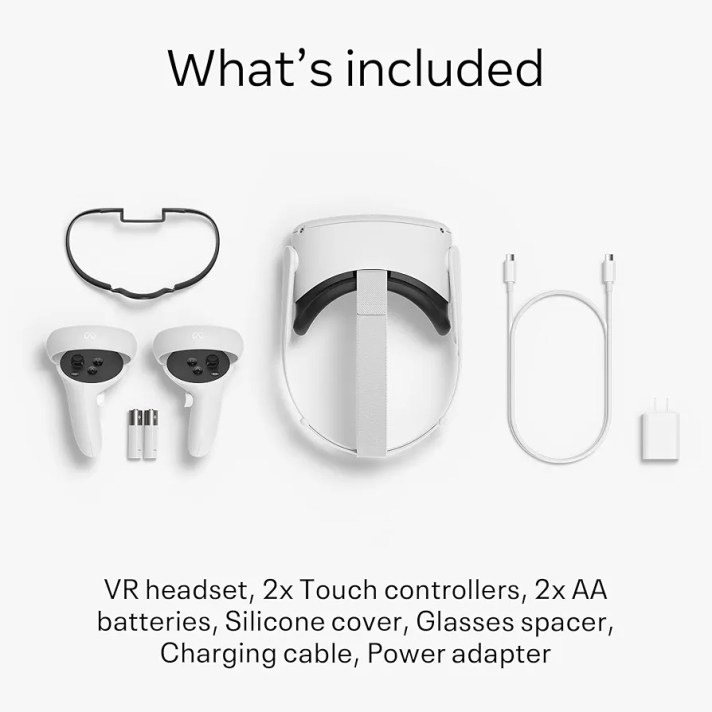
BRAND: Meta Quest 2 — Advanced All-In-One Virtual Reality Headset — 256 GB

Description

*Meta Quest is for ages 13+.

Features & details

Meta Quest is for ages 13+. Certain apps, games and experiences may be suitable for a more mature audience. Keep your experience smooth and seamless, even as high speed action unfolds around you with a super-fast processor and high-resolution display. (Packaging may vary) Meta Quest packaging will continue to carry the Oculus name and logo during the transition to our new branding.

Experience total immersion with 3D positional audio, hand tracking and haptic feedback, working together to make virtual worlds feel real.

Explore an expanding universe of over 250 titles across gaming, fitness, social/multiplayer and entertainment, including exclusive blockbuster releases and totally unique VR experiences.

Travel universes in blockbuster fantasies, scare yourself witless in horror adventures or collaborate with colleagues in innovative workspaces.

Come together in incredible social spaces and multiplayer arenas as you take in live events with friends and family, find your new workout crew or join quests with fellow adventurers.

Be truly free to roam in VR With a wireless headset, intuitive controls, a built-in battery, easy setup and no PC or console needed*

(As seen on Amazon Store)

KIndly join us again tomorrow as we delve deeper into specifics hardware made especially for classroom experience!

To your best interest,

Teacher Funke Akpan

Technology Integration Expert,

Founder, Topflighters Academy

DAY #6 VR/AR CLASSROOM EXPERIENCE

Welcome Dear Educators,

In today’s episode, we are going into details on Hardware Considerations for implementing Virtual Reality (VR) in education.

HARDWARE CONSIDERATIONS FOR VIRTUAL REALITY IN EDUCATION

  1. VR Headsets:
  • Tethered vs. Untethered: Tethered headsets, like the Oculus Rift or HTC Vive, require a connection to a computer, providing high-quality graphics. Untethered headsets, such as the Oculus Quest or standalone devices, offer more mobility but may have slightly lower graphical capabilities.
  • Compatibility: Ensure that the VR headset is compatible with the software and educational content planned for use. Verify the compatibility with platforms like Oculus, SteamVR, or any specific educational software.
  • Comfort and Adjustability: Prioritize comfort and adjustability, as students will likely wear the headsets for extended periods. Look for features like adjustable straps, cushioning, and ergonomic designs to ensure a comfortable experience for users.
  • 2. Controllers:
    • Interaction: Consider the level of interactivity required for educational experiences. Hand controllers provide a more immersive experience and are suitable for activities like virtual experiments or art creation. Simpler controllers or gaze-based interactions may be sufficient for more straightforward content.
    • Ease of Use: Opt for controllers that are intuitive and easy to use, especially for younger students. Simple button layouts and ergonomic designs can enhance the overall usability of the VR system.
    OCULUS QUEST
    • 3. Tracking Systems:
    • Inside-out vs. Outside-in Tracking: Inside-out tracking systems, where sensors are integrated into the headset, offer greater mobility without external sensors. Outside-in tracking relies on external sensors, providing more precise tracking but requiring additional setup.
    • Room Scale vs. Seated Experiences: Determine whether the educational content requires students to move around in a physical space (room-scale) or if seated experiences are sufficient. Room-scale experiences offer more interaction but may require more significant space.
    1. 4. Computing Devices:
    • System Requirements: Check the minimum system requirements for the VR content, and ensure that the computers or laptops in the educational environment meet or exceed those specifications. VR-ready computers with powerful graphics cards are crucial for delivering a smooth experience.
    • Graphics Cards and Processing Power: High-quality graphics cards and ample processing power are essential for rendering detailed VR environments. Consider upgrading existing hardware or investing in new computers that can handle the demands of VR content.
    HTC VIVE
    1. 5. Accessories:
    • Charging Stations: If using untethered VR devices, implement charging stations to ensure that the devices are always ready for use. Consider having extra batteries or charging cables available to minimize downtime.
    • Protective Covers and Cases: To prolong the lifespan of VR hardware, invest in protective covers or cases. This is particularly important in educational settings where devices may be shared among students, increasing the risk of wear and tear.
    1. 6. Safety Considerations:
    • Health and Safety Features: Look for VR systems that prioritize user safety. Adjustable interpupillary distance (IPD) settings accommodate different eye distances, reducing eye strain. Ensure that the hardware complies with safety standards to protect users from potential health issues.
    • Hygiene Solutions: In shared environments, consider hygiene solutions to maintain cleanliness. Removable and cleanable face cushions or disposable covers can help prevent the spread of germs and ensure a more hygienic VR experience.
    1. 7. Budget and Scalability:
    • Total Cost of Ownership (TCO): Consider the overall cost of implementing VR in education. Calculate the total cost of ownership, including hardware, software, accessories, maintenance, and potential future upgrades. Ensure that the chosen solution aligns with the budgetary constraints of the institution.
    • Scalability: Choose a VR solution that aligns with scalability goals. Determine whether the hardware can be easily expanded or replicated as the VR program grows, and factor in costs associated with scaling up.
    1. 8. Technical Support and Warranty:
    • Vendor Support: Opt for hardware from reputable vendors that offer reliable technical support. Check if the vendor provides regular updates, troubleshooting resources, and a responsive customer support system.
    • Warranty: Verify the warranty options provided with the VR hardware. A comprehensive warranty can be crucial in educational settings where devices are subject to heavy usage. Consider extended warranty options for added peace of mind.

    By addressing these considerations, educational institutions can make informed decisions when selecting VR hardware, ensuring a successful integration of immersive technology into the learning environment. A thoughtful approach to hardware choices contributes to a positive and effective VR learning experience for students and educators alike.

    We shall go into more details tomorrow by looking at specific VR headsets and the features. Stay tuned!

    Teacher Funke Akpan

    Technology Integration Expert,

    Topflighters Academy