VR in Different Subjects – Unveiling the Educational Tapestry
Hello, esteemed educators! Today, let’s embark on an even more profound exploration of how Virtual Reality (VR) weaves an intricate tapestry across various subjects, enriching the educational landscape with immersive and transformative experiences.
Science: A Virtual Laboratory Beyond Conventions
In the scientific realm, VR goes beyond supplementing traditional labs; it redefines them. Imagine conducting experiments without worrying about material constraints. VR enables students to delve into molecular structures, witness chemical reactions from different perspectives, and even simulate biological processes. This not only sparks curiosity but also instills a deeper appreciation for the scientific method and experimentation.
The future of work is drastically changing due to technology advancements like VR. So, educators, school owners and administrators need to step up their game to prepare today’s learners for the future.
History: Time-Traveling Through Dynamic Narratives
The history classroom becomes a time-traveling vessel with VR. Instead of static textbook images, students can virtually visit historical landmarks, witness pivotal moments, and navigate through historically accurate recreations of ancient cities. By immersing themselves in historical narratives, students develop a nuanced understanding of the interconnectedness of events and the impact of historical decisions.
Literature: Stepping Into the Pages of Stories
Literature comes alive in VR, offering students the opportunity to step directly into the worlds crafted by authors. Imagine exploring the cobbled streets of Dickensian London or traversing the mythical landscapes of classic literature. This immersive approach not only enhances comprehension but also fosters empathy as students emotionally connect with characters and settings. Literature is no longer a passive experience; it becomes a journey of discovery.
Mathematics: Navigating the Dimension of Understanding
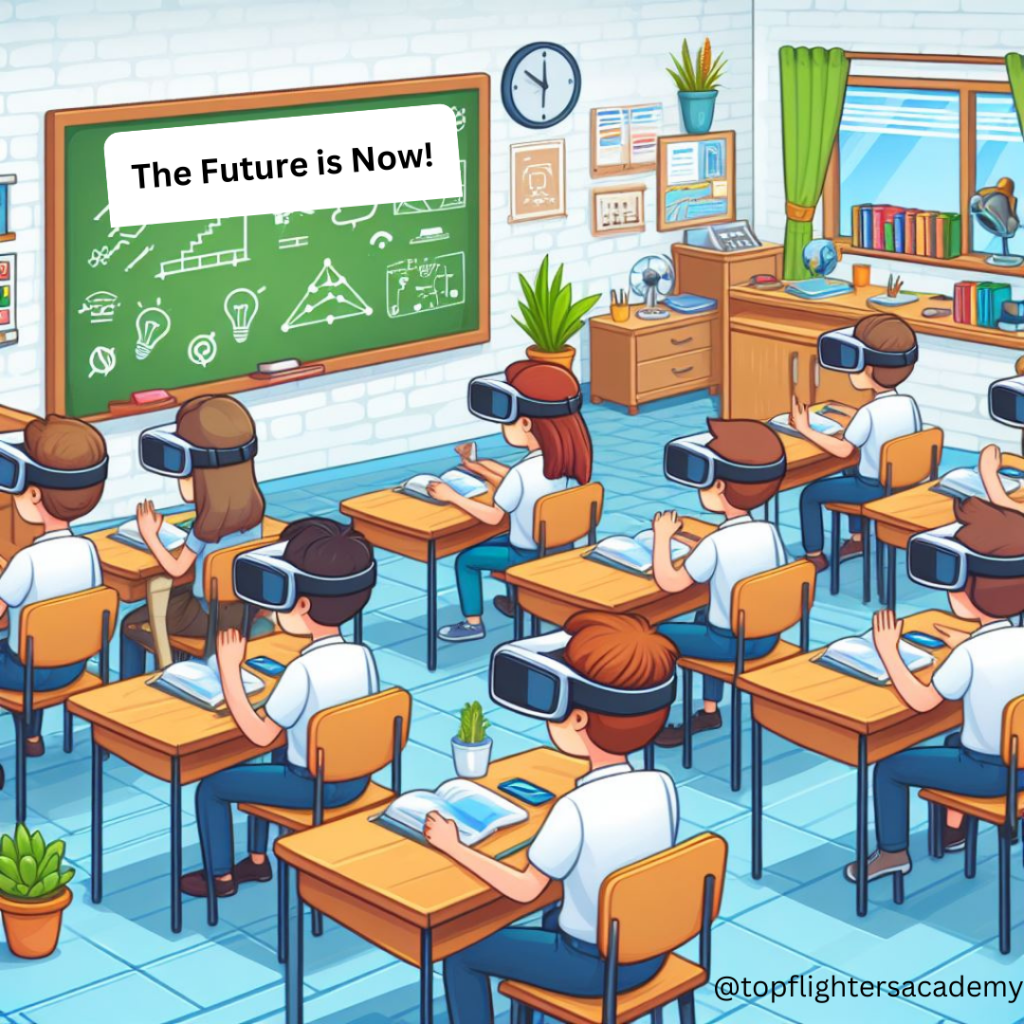
In the realm of mathematics, VR serves as a bridge between abstract concepts and tangible understanding. Students can manipulate geometric shapes in a three-dimensional space, observing how mathematical principles manifest in a visually interactive environment. By engaging with mathematical ideas through VR, students develop an intuitive grasp of complex concepts, transforming math from a challenge into an exploration.
Languages: Cultural Immersion in a Virtual Landscape
VR language learning extends beyond vocabulary and grammar drills. Students can immerse themselves in virtual environments where the target language is spoken authentically. From exploring culturally rich scenarios to participating in simulated conversations, VR provides an unparalleled linguistic journey. It’s not just about learning words; it’s about understanding cultural nuances and gaining practical language skills.
Physical Education: Virtual Wellness and Dynamic Activities
In the realm of physical education, VR introduces a new dimension to wellness. Virtual fitness programs engage students in dynamic activities, from practicing yoga in serene virtual landscapes to participating in virtual sports events. This not only introduces variety to physical education classes but also encourages a holistic approach to health and well-being.
By embracing VR across diverse subjects, educators not only capture the attention of the digital generation but also nurture a generation of critical thinkers, empathetic learners, and creative problem solvers. As we continue our journey into the realm of VR/AR in education, stay tuned for more insights and practical applications!
Welcome back to our immersive journey into the realm of VR/AR in education! As we continue our exploration, today marks an exhilarating dive into the unparalleled pedagogical advantages these transformative technologies offer. Join us as we uncover the specific ways VR/AR revolutionize educational experiences, from immersive simulations to personalized learning, and explore successful integrations in various subjects. We’ll also address common misconceptions and concerns, ensuring a clear path forward for an inclusive and enriching educational landscape. So, fasten your seatbelts and get ready to witness the transformative power of VR/AR in enhancing learning experiences!
WELCOME TO DAY 3
Specific Ways VR/AR Enhance Educational Experiences
Immersive Simulations: VR is the passport to immersive experiences, transporting students into simulated environments. It enables deeper exploration and understanding of complex concepts. For instance, students can virtually dissect organisms or explore the intricacies of molecular structures, making abstract ideas tangible.
Interactive Learning: AR enriches real-world settings by overlaying interactive elements. This fosters engagement and interaction as students interact with digital content integrated into their physical environment. Imagine historical figures coming to life or scientific phenomena happening before students’ eyes, sparking curiosity and enhancing learning.
Personalized Learning: VR/AR adapt content to cater to diverse learning styles. They offer personalized learning experiences by adjusting the pace and presentation of content based on individual preferences. Students can learn at their own speed, ensuring comprehension and retention.
Examples of Successful VR/AR Integration in Various Subjects
STEM Subjects: In STEM, VR/AR technologies visualize abstract concepts. From exploring the solar system to simulating engineering designs, they offer hands-on experiences that deepen understanding and foster innovation.
History and Social Sciences: VR/AR bring history alive! Students can witness pivotal historical events, step into ancient civilizations, or experience cultural heritage, making learning history an engaging and immersive journey.
Arts and Languages: Creativity knows no bounds with VR/AR! They enable artistic expression in 3D spaces and facilitate language learning through immersive experiences, engaging students in new and captivating ways.
Addressing Common Misconceptions and Concerns
Motion Sickness and Safety: We understand concerns about motion sickness. Ensuring students take breaks during VR experiences and providing guidelines for comfortable usage can mitigate these issues. Safety measures, including supervised sessions and ergonomic adjustments, enhance overall comfort and well-being.
Cost and Accessibility: Most AR/VR devices are expensive except for the Smartphone based VR googles which can be bought at prices less than $100. While the initial investment in VR/AR might seem daunting, strategies like seeking funding, exploring budget-friendly options, or partnering with institutions can alleviate financial barriers. Additionally, promoting shared usage and collaborating with tech-savvy students can enhance accessibility.
Welcome back, educators! Today, let’s dive into the fascinating world of Virtual Reality (VR) and Augmented Reality (AR), the technologies reshaping our classrooms.
Detailed Explanation of VR Technology
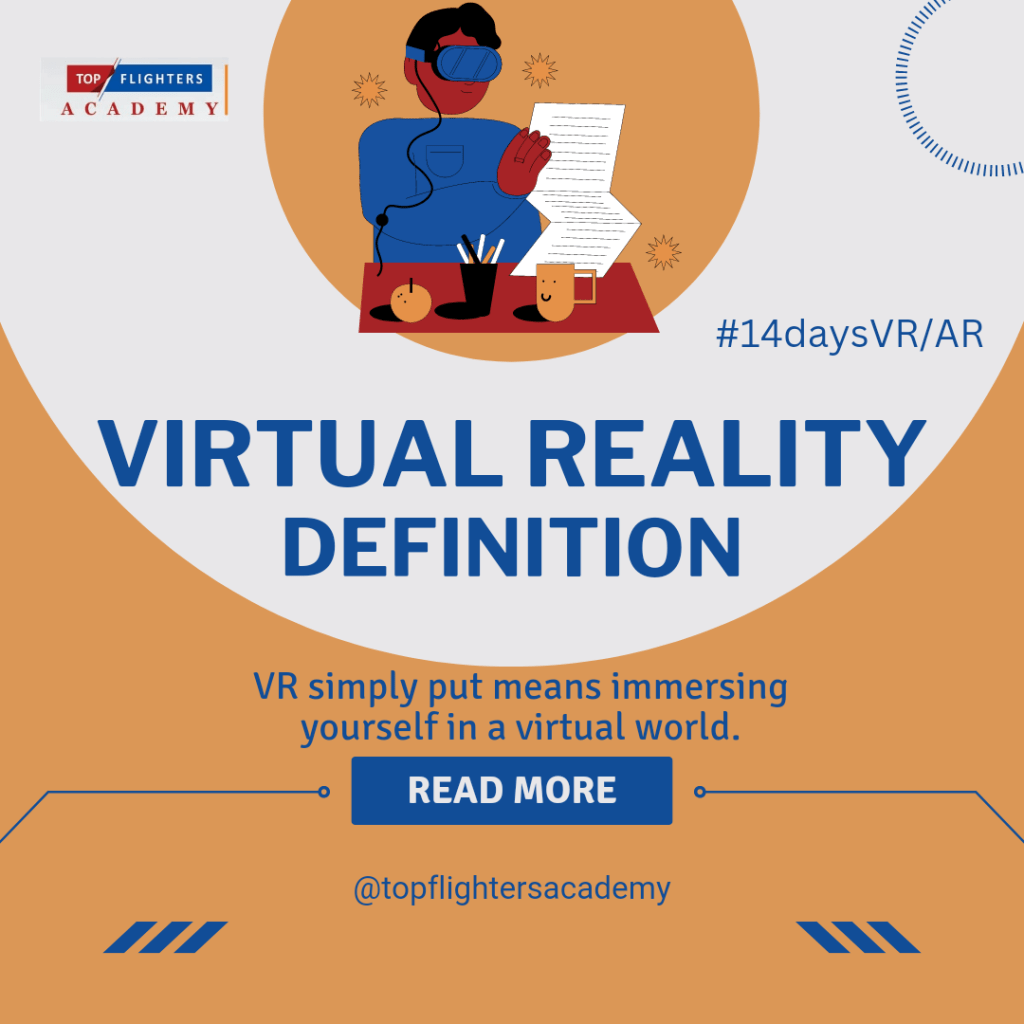
Virtual Reality (VR): VR creates a simulated environment that immerses users in a digital world, completely replacing the real-world environment. In the classroom, VR allows students to explore and interact with 3D computer-generated environments. It offers a fully immersive experience where students can engage with educational content in a way that feels realistic and often allows for interactivity. For example, students can virtually visit historical landmarks, explore scientific concepts in 3D space, or experience simulations like biology dissections, offering an immersive and engaging learning experience.
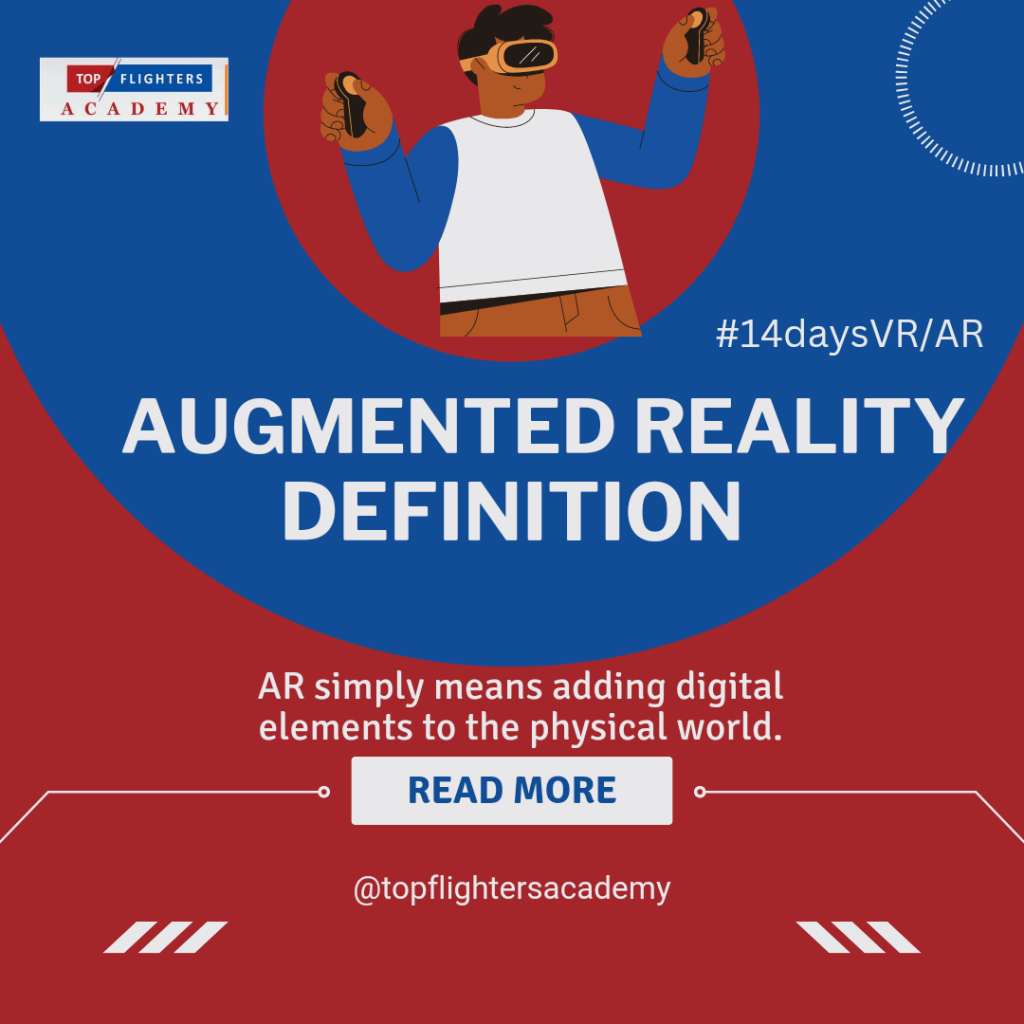
Augmented Reality (AR): AR overlays digital content onto the real-world environment, enhancing what users see by adding virtual elements. In the classroom, AR supplements and enriches the physical surroundings with additional digital information. AR can bring textbooks, posters, or physical objects to life by overlaying relevant information, animations, or interactive elements when viewed through AR-enabled devices like smartphones or AR glasses. For instance, students can see 3D models of planets popping out of their textbooks, enhancing their understanding of astronomy, or witness historical events through AR-enhanced visualizations.
Both VR and AR offer unique ways to transform the classroom experience by providing immersive, interactive, and experiential learning opportunities that engage students in ways traditional methods cannot. They offer a dynamic and personalized learning environment where abstract concepts become tangible and learning becomes more engaging and memorable.
Hardware and Immersion:Think of VR hardware as the tools that transport us to different worlds right from our desks. VR headsets, like Oculus Rift or HTC Vive, serve as the windows into these virtual realms. These headsets come with controllers and sensors that let us navigate and interact with the virtual space, making us feel like we’re truly part of the experience.
Motion Tracking and Interaction:Imagine this: as you move your head or hands, the virtual world responds instantly. That’s the magic of VR’s motion tracking! These systems detect our movements, translating them into actions within the virtual environment. This interaction makes learning incredibly engaging and hands-on, whether exploring the human body or traveling through historical events.
Detailed Explanation of AR Technology
Overlaying Digital Content: Now, think of AR as adding a layer of information to the world around us. Using devices like smartphones or AR glasses, AR technology superimposes digital content onto our physical environment. Remember playing with filters on your phone that placed digital objects in your real-world surroundings? That’s AR in action!
In this short video, I added a digital element to my physical space. That is what AR is all about!
Spatial Mapping and Object Recognition: AR doesn’t just add any content; it’s smart! AR devices map our surroundings and recognize objects in real-time. This means they can enhance what we see by adding information or animations to specific objects or spaces. It’s like having an interactive encyclopedia pop up whenever you look at something!
Examples of Devices Used for VR/AR Experiences
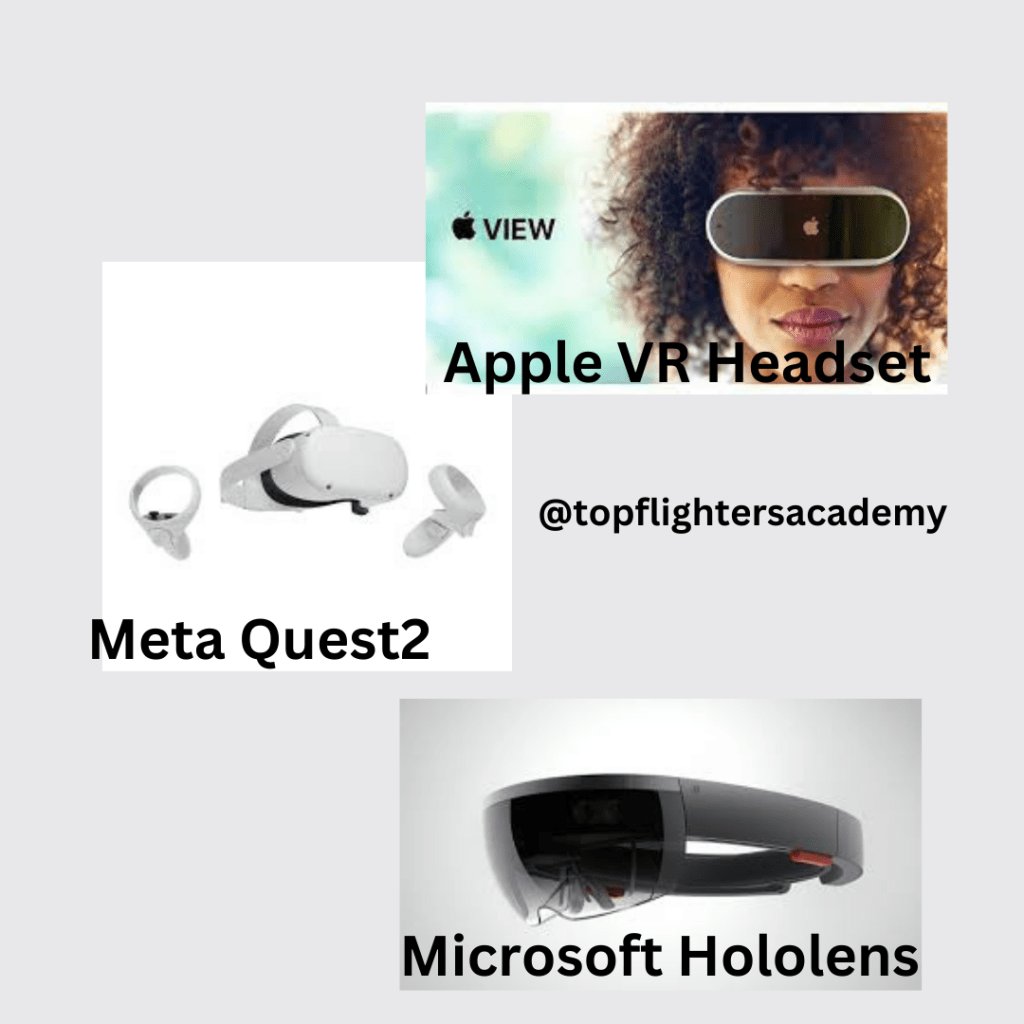
VR Devices: These are like the portals to other dimensions! Devices like Oculus Rift, HTC Vive, or PlayStation VR are some of the leading VR headsets. They offer diverse experiences, from exploring ancient civilizations to diving into the depths of the ocean, making learning an adventure.
AR Devices: AR devices like Microsoft HoloLens, Google Glass, or even AR applications on smartphones, allow us to interact with digital content while still being present in our real surroundings. They’re like having a magic lens that reveals hidden layers of information about the world around us. Another example is SnapAR Google (SnapChat Inc.)
Types of VR
Virtual Reality (VR) technology has evolved to accommodate various applications and experiences. Here are different types of VR:
1. Non-Immersive VR: This type of VR typically involves a less immersive experience, often through desktop or mobile applications. It doesn’t fully engulf the user in a virtual environment but offers some elements of VR, such as 360-degree videos or simple VR applications.
2. Semi-Immersive VR: These setups provide a more immersive experience than non-immersive VR but don’t completely immerse users. They often use projection systems or large screens to create an immersive environment, allowing users to interact with the simulated world to some extent.
3. Fully Immersive VR: This type of VR offers the most immersive experience, transporting users to entirely virtual environments using head-mounted displays (HMDs) like Oculus Rift, HTC Vive, or PlayStation VR. Users can interact with and navigate these environments in a manner that makes them feel fully present within the virtual world.
4. Collaborative VR: Collaborative VR environments allow multiple users to interact and engage within the same virtual space simultaneously. These setups are beneficial for group activities, team projects, or remote collaboration where users can communicate and interact in a shared virtual setting.
5. Web-based VR: This type of VR utilizes web technologies to provide immersive experiences directly through web browsers. It enables users to access VR content without requiring specific applications or installations, making VR more accessible and easy to use.
Each type of VR offers unique experiences and applications, catering to different needs and preferences, whether for entertainment, education, training, or professional purposes.
Different Kinds of VR Googles
There are several types of VR goggles available, each offering different features, experiences, and functionalities. Here are some common types:
1. Tethered VR Headsets: These VR goggles are connected to a computer or gaming console, providing high-quality immersive experiences. They often come with external sensors for precise tracking and offer extensive capabilities, making them suitable for gaming, professional applications, and high-fidelity experiences. Examples include Oculus Rift, HTC Vive, and Valve Index.
2. Standalone VR Headsets: These goggles don’t require a separate computer or console for operation. They contain all the necessary hardware and are more portable. They offer a good balance between quality and convenience, making them suitable for a wide range of applications. Oculus Quest series and HTC Vive Focus are examples of standalone VR headsets.
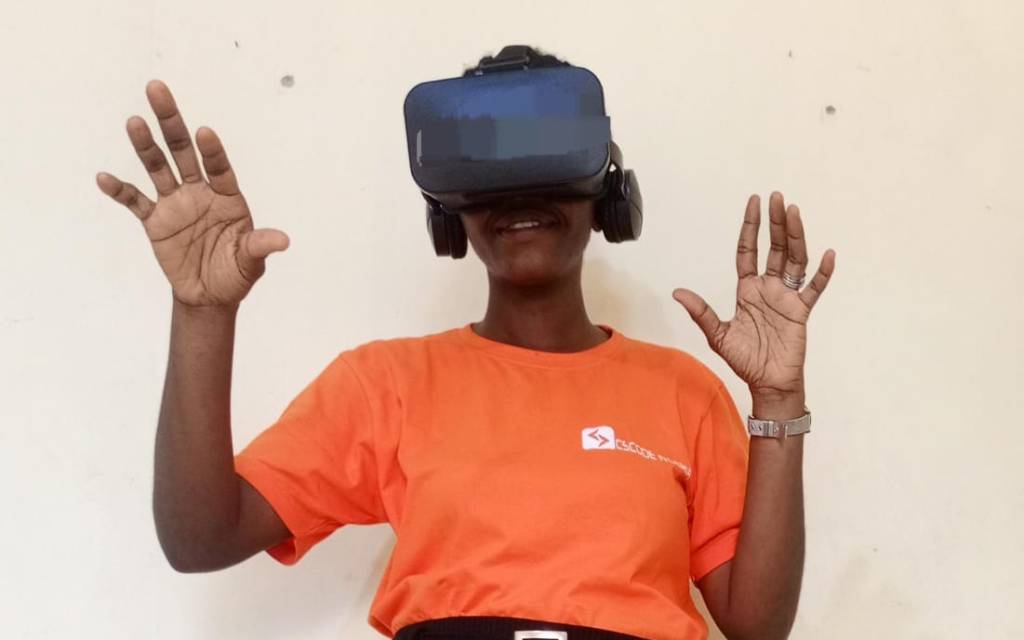
3. Smartphone-based VR Headsets: These goggles rely on smartphones to provide the VR experience. Users place their smartphones into the headset, which uses the phone’s display and processing power to create VR content. They are more affordable and accessible but typically offer less immersive experiences compared to dedicated VR headsets. Examples include Samsung Gear VR and Google Cardboard.
4. Mixed Reality Headsets: These goggles combine elements of both VR and AR, allowing users to interact with both virtual and real-world environments. They offer a blend of digital content and real-world interactions, making them suitable for various applications, including gaming, education, and professional use. Microsoft HoloLens and Magic Leap are examples of mixed reality headsets. Microsoft Hololens is an example of a Mixed Reality Headset.
Each type of VR goggle has its advantages and limitations, catering to different user preferences, usage scenarios, and levels of immersion. The choice often depends on factors like budget, intended use, mobility, and desired level of immersion and interaction.
An example of a Smartphone-based VR headset worn by Teacher Funke
Tomorrow, we’ll explore how these technologies seamlessly integrate into educational settings, creating a whole new world of learning opportunities right inside our classrooms!
Welcome to an exciting journey into the future of education!
My fascination with VR began in 2020 when I first encountered its potential to enhance learning and make lessons more engaging through gamification (I absolutely adore bringing fun into the classroom). I witnessed the thrill of VR games during the Fun Days organized for children at my previous workplace, and it left a lasting impression.
When I introduced VR to my class for the first time, it caused quite a stir. The sight of the VR box turned the classroom upside down, igniting curiosity among the students. They were eager to explore it and understand how it could benefit their academic journey.
Having researched how VR/AR can shape the future of education, I’ve decided to embark on this 14-day exploration with you.
Your curiosity and dedication to evolving educational practices are the guiding lights of this endeavor.
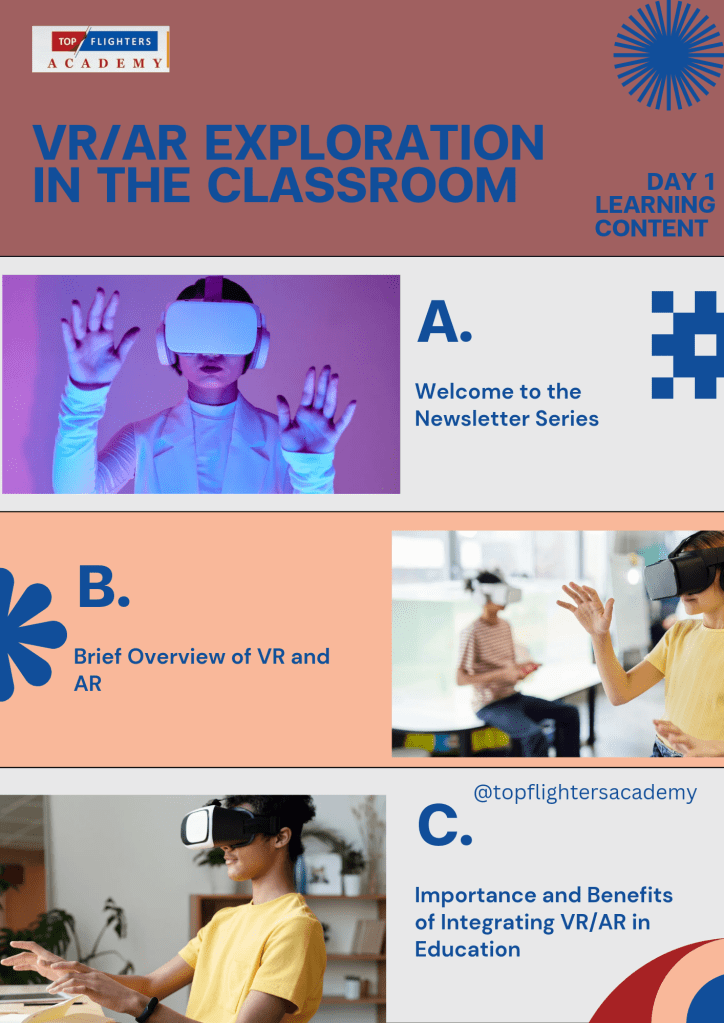
In this exclusive newsletter series, our goal is crystal clear: to uncover the vast potential of VR/AR in reshaping and revolutionizing classroom learning. Together, we’ll dive into these transformative technologies, discovering the many ways they can redefine engagement, interaction, and understanding in educational settings.
Why are we so enthusiastic about this journey? Because we firmly believe that VR/AR aren’t just tools; they’re gateways to new dimensions of learning. Through these technologies, we aim to spark inspiration, nurture creativity, and ignite a passion for learning that goes beyond the usual boundaries.
According to PCMag Encyclopedia, Augmented Reality/ Virtual Reality refers to computer-generated simulations that integrate the real world (AR) or are entirely self-contained (VR). AR applications let you move around in the real world. With VR, you have to remain in the same location because you cannot see your surroundings.
VR replaces your existing world with digital content e.g, being inside of a thing to study it rather than reading a book or watching a video on the internet. it involves enhancing the real world with digital elements.
AR uses our environment as a window to our digital world e.g Microsoft Hololens, with Hololens, you can pre-visualize anything before you buy it.
Do you know that VR/AR has its origin dated to centuries ago? Watch this video on the Evolution of Extended Reality (XR)
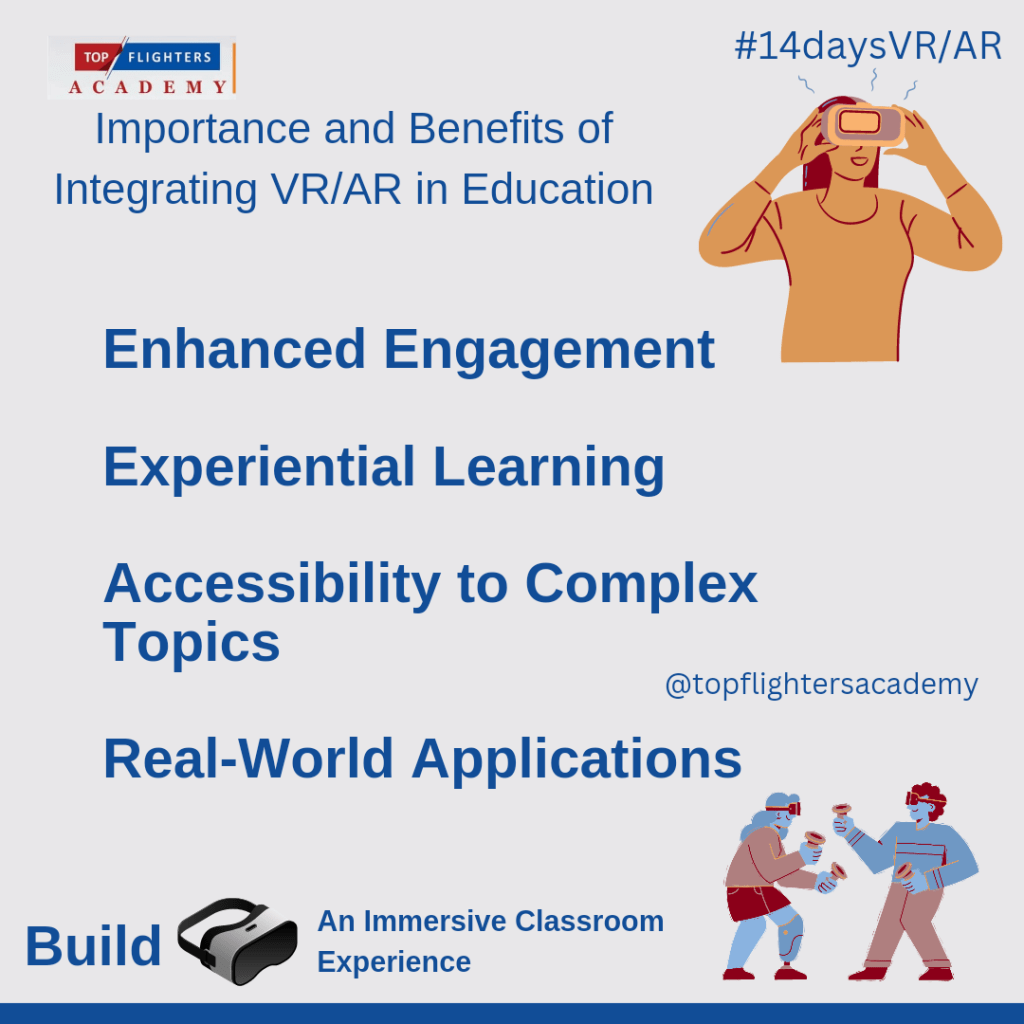
Importance and Benefits of Integrating VR/AR in Education
Enhanced Engagement:
VR/AR technologies have a remarkable ability to capture students’ attention in ways traditional methods might struggle to achieve. By immersing learners in interactive experiences, these technologies create a captivating learning environment. Students actively participate and engage with educational content, making lessons more stimulating and enjoyable.
Experiential Learning:
One of the most significant advantages of VR/AR in education is its capacity to facilitate experiential learning. Students can delve into immersive environments that simulate real-life scenarios, enabling hands-on exploration of complex concepts. This hands-on approach enhances comprehension and retention, making learning more tangible and memorable.
Accessibility to Complex Topics:
VR/AR serves as a powerful tool to simplify abstract or intricate subjects. By visualizing complex concepts in an easily understandable format, students can grasp challenging topics more effectively. For instance, abstract scientific theories or historical events can be brought to life, allowing students to visualize and interact with the content, fostering a deeper understanding.
Real-World Applications:
Beyond the classroom, VR/AR technologies mirror real-world applications across various industries. Integrating these technologies in education equips students with skills applicable to technology-driven careers. Whether it’s experiencing architectural designs in VR or practicing medical procedures through simulations, students gain practical insights and prepare for future job opportunities in fields that increasingly rely on technological advancements.
Have you imagined yourself studying about your body cells while you are in your cells? Sounds good and funny right?
By incorporating VR/AR in education, educators pave the way for students to not only learn but to experience, engage, and prepare for a future where immersive technologies play a pivotal role in various aspects of life and work.
As we wrap up our introduction to the captivating world of VR/AR in education, let’s carry this excitement forward into our journey ahead. Tomorrow, we delve deeper into the technology that underpins these transformative experiences. Get ready to uncover more insights into the immersive realms of Virtual Reality and Augmented Reality. Until then, keep the curiosity alive and let’s continue to envision the classroom of tomorrow together!
Get ready to unlock the future of education! We’re thrilled to offer you an exclusive opportunity to participate in our 14-day Virtual Reality (VR) and Augmented Reality (AR) Classroom Experience.
🔐 Subscriber Access: Secure your spot now by subscribing to our newsletter! Exclusive access to this transformative learning experience awaits. Click https://forms.gle/181hHWG84KD29dKAA to subscribe and join us on this immersive educational journey.
FAQs:
Q: Who can participate in this program? A: This program is open to educators, school administrators, and anyone passionate about leveraging technology in education.
Q: What equipment is required? A: A compatible device and internet access are recommended for optimal participation.
Q: Will there be ongoing support during the program? A: Absolutely! Our dedicated support team will be available to assist with any queries or technical assistance throughout the 14-day program.
Got questions? We’re here to help! Reach out to our dedicated support team for any queries or assistance.
Don’t miss out on this opportunity to revolutionize your teaching or learning methods. Subscribe today and be at the forefront of educational innovation!
In recent years, the landscape of education has been profoundly transformed by technological innovations. Among these advancements, extended reality, often referred to as XR, has emerged as a powerful tool to revolutionize the way we learn and interact with educational content. Within XR, three distinct categories stand out: Virtual Reality (VR), Augmented Reality (AR), and Mixed Reality (MR). In this blog post, we will delve into the history and evolution of extended reality, explore the meanings and differences between VR, AR, and MR, and weigh the pros and cons of these technologies in education. Additionally, we will discuss the compelling reasons to embrace VR and AR as invaluable assets in modern educational settings.
History and Evolution of Extended Reality
The concept of extended reality can be traced back to the 18th century, but it has gained significant traction in recent decades. Extended reality refers to a spectrum of technologies that extend, augment, or enhance the way we perceive and interact with the physical and digital worlds. It encompasses three main categories: Virtual Reality (VR), Augmented Reality (AR), and Mixed Reality (MR).
The history and evolution of XR
Understanding Virtual Reality, Augmented Reality, and Mixed Reality
Virtual Reality (VR): VR immerses users in a fully digital environment, completely detached from the physical world. Users wear headsets that provide a 360-degree view of a computer-generated environment, allowing them to explore and interact within this synthetic space.
Augmented Reality (AR): AR overlays digital elements onto the real world. This can be achieved through smartphone screens, glasses, or headsets. Users can see both physical and digital objects simultaneously, enhancing their real-world experiences with additional information or virtual objects.
Mixed Reality (MR): MR combines elements of both VR and AR. In MR, digital objects interact with the physical environment in real-time. Users can interact with and manipulate virtual objects in their real-world context.
Microsoft Mesh is an example of Mixed Reality using the Hololens.
Differences Between VR and AR
The primary distinction between VR and AR lies in their level of immersion. VR provides a fully immersive digital experience, whereas AR overlays digital content onto the real world while maintaining a connection to the physical environment. Both technologies have unique use cases and benefits.
Pros and Cons of VR and AR in Education
Pros:
Immersive Learning: VR allows students to immerse themselves in virtual environments, making abstract concepts tangible and increasing engagement and retention.
Real-World Applications: AR can be used to enhance practical learning, such as medical training, by overlaying instructions and data onto real-life scenarios.
Customized Learning: Both VR and AR can adapt content to individual learning styles and paces, catering to diverse educational needs.
Accessibility: Students can access immersive educational content from anywhere, reducing geographical barriers and enhancing inclusivity.
Interactive Collaboration: MR enables collaborative learning experiences, where students interact with both digital and physical components, promoting teamwork and problem-solving skills.
Cons:
Cost: High-quality VR and AR hardware can be expensive, which may limit access for some educational institutions.
Learning Curve: Teachers and students may require training to effectively use VR and AR tools.
Distraction: Overuse or misuse of immersive technologies can lead to distractions and reduce the focus on educational goals.
Reasons to Embrace VR and AR in Education
Enhanced Engagement: VR and AR make learning more engaging, stimulating, and memorable. Complex or abstract topics become easier to grasp when presented in a visually interactive manner.
Hands-On Learning: These technologies provide hands-on experiences that are otherwise difficult or expensive to replicate in the real world, allowing students to experiment and learn in a safe environment.
Global Learning: VR and AR enable students to connect with peers and experts worldwide, facilitating global collaboration and cultural exchange.
Innovative Teaching Methods: Educators can use VR and AR to adopt innovative teaching methods, such as virtual field trips, 3D models, and simulations.
Future-Ready Skills: Preparing students for the digital age, where VR and AR are increasingly relevant, ensures they acquire skills that are valuable in many industries.
In conclusion, Extended Reality, including VR and AR, has the potential to redefine education. It offers an immersive and interactive approach to learning, making education more engaging, accessible, and relevant to the evolving needs of students in the 21st century. As these technologies continue to advance and become more accessible, their role in education is poised to become the new normal, transforming the way we teach and learn. Embracing VR and AR in education is not just about adopting a trend; it’s about preparing students for the future and empowering them with the skills and knowledge they need to succeed in an increasingly digital world.
Do you wish to infuse VR/AR in your classroom or school, you can reach out to me here: funkeakpan79@gmail.com or send a WhatsApp message to +2348186504445
Thank you for reading! Kindly leave a comment if you find this fascinating!



 EduPlus